Stay current with our airline news coverage.
How Voluntary Bumping Actually Works
Before you start fantasizing about your own six-figure mile payout, it helps to understand what's happening behind the scenes. Airlines routinely oversell flights, banking on the fact that a certain percentage of passengers will miss their flights, cancel, or change plans. When everyone shows up and the plane can't hold them all, the airline has two options: ask for volunteers or involuntarily deny boarding to someone. That second option comes with strict regulatory teeth. Under U.S. Department of Transportation rules, involuntary denied boarding compensation can reach up to 400 percent of the one-way fare, capped at $2,150 for longer delays on domestic flights departing a U.S. airport. "Most bumped passengers who experience short delays on flights will receive compensation equal to double the one-way price of the flight they were bumped from, but airlines may limit this amount to up to $1,075," the U.S. Department of Transportation guidance states. But for voluntary bumps, the rules change entirely. "There is no limit to the amount of money or vouchers that the airline may offer, and passengers are free to negotiate with the airline," the U.S. Department of Transportation notes. United and Delta have publicly pledged that compensation for voluntary bumping can go as high as $10,000 to persuade passengers to give up their seats, according to Travelers United summarizing post-oversales policy changes by major U.S. carriers. The key difference: voluntary is negotiable, involuntary is regulated. Airlines would much rather sweeten the pot for volunteers than deal with the PR nightmare and statutory cash payouts that come with forcing someone off a flight.Why Miles Instead of Cash?
United offered this passenger loyalty currency, not cash, and that's no accident. MileagePlus miles function as a high-value incentive from the passenger's perspective while costing the airline significantly less than their perceived worth. A 98,000-mile offer might feel like hitting the lottery, especially if you know how to maximize award redemptions, but the real cost to United is a fraction of what those miles would cost if you bought them outright or what the airline would pay in mandated cash compensation for an involuntary bump. For the passenger, it's a different calculation. If you're flexible and were planning to fly United anyway, 98,000 miles can mean a business-class ticket to Europe, several domestic round-trips, or a meaningful boost toward elite status. If you needed to be somewhere urgently or prefer cold, hard cash, the same offer might feel like a consolation prize. The strategic play here is simple: if you have any flexibility at all, don't wait until the gate to throw your name in the hat. This passenger volunteered during check-in, when he still had leverage and could set his own price. By the time boarding starts, the airline's desperation may have increased, but so has the chaos, and gate agents may default to lower offers or involuntary bumping if they're in a time crunch.Should You Bid High or Play It Safe?
I've spent enough time in airport gate areas to know that most passengers treat oversale auctions like a lottery they don't expect to win. They'll volunteer for $300 in vouchers and feel lucky if they get picked. But this Boston story suggests a different approach: if you're genuinely flexible and the airline is asking for volunteers, there's room to negotiate aggressively. The fact that United accepted a 98,000-mile bid means the flight was oversold enough that the airline preferred paying out a premium to risking an involuntary bump. That's the sweet spot for passengers. When demand is high, routes are packed, or operational issues are stacking up, airlines will pay more to keep things moving smoothly. The flip side is that most of the time, you won't get anywhere near six figures in miles. Typical voluntary bump offers at U.S. airlines often start in the hundreds of dollars in cash or vouchers, and the DOT notes airlines are free to give more than the required minimum when they choose. If you're hoping for a massive payout every time, you'll be disappointed. But if you're strategic, flexible, and willing to ask for more than the opening offer, you'll occasionally hit the jackpot. For digital nomads, backpackers, or anyone living without a rigid schedule, this is low-hanging fruit. Build buffer days into your itinerary, volunteer early, and bid high. The worst they can do is say no. The best they can do is hand you a small fortune in miles and put you on a flight a few hours later. One thing to remember: miles aren't cash, and airlines know it. If you'd rather have money in your pocket, push for that instead. United's customer commitment and contract of carriage state that bumped passengers will generally be entitled to compensation and transportation on an alternate flight, with detailed rules for compensation published by the airline. But in practice, the real negotiation happens when you're still a volunteer, before the gate agent starts making unilateral decisions. The Boston Logan passenger played it perfectly: flexible, informed, and willing to ask for the moon. Most of us could learn something from that.More travel news
JetBlue BlueFirst Tickets Now on Sale for Dec. 8 Debut
JetBlue will debut BlueFirst on select non-Mint flights between Boston and Fort Lauderdale on Dec. 8; Base fares limit free seat selection to 24 hours before departure and impose change and cancellation fees.

United Airlines CEO Defends Fees for Window and Aisle Seats
Kirby said travelers who want a preferred seat should pay more. Charges vary with available seats, fares and status benefits; $70 was one non-frequent flyer's example.
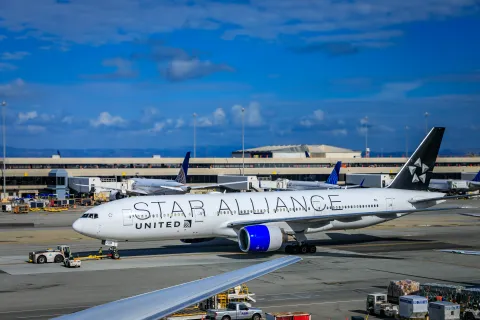
United Airlines lowers economy food preorder threshold to 900 miles
United lowered its fresh-food preorder threshold from 1,190 to 900 miles, adding the option for economy passengers on 420 daily flights in North America and the Caribbean; orders close 24 hours before departure.
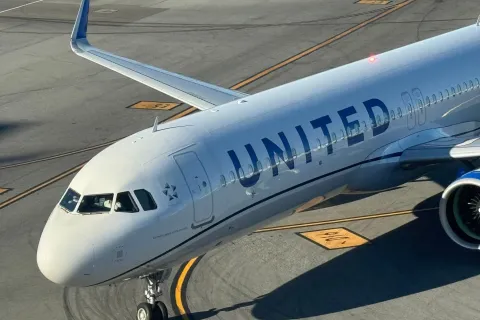
Boeing 737 MAX 10 FAA approval could come this week
FAA certification could come the week of Oct. 19, but some buyers reportedly will not accept 737 MAX 10s fitted with affected U14 or U14.1 software.
About the Author

Mariana Torres
Mariana Torres is South America Editor at Jetsetter Guide, covering backpacking and off-the-beaten-path travel in the Andes and the Amazon.