Stay current with our airline news coverage.
São Paulo, Brazil - Nearly New Boeing Jets Headed for Scrapyard
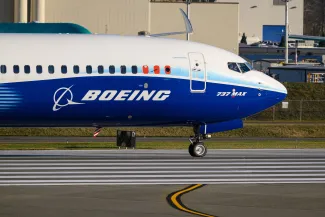
Two Boeing 737 MAX 8 aircraft that entered service with Brazilian budget carrier GOL Linhas Aéreas just six months ago are already being parted out and scrapped, an extraordinarily rare fate for jetliners barely out of the factory, according to Simple Flying. The planes suffered from persistent factory-related issues from day one, spending more time grounded for maintenance than carrying passengers. View from the Wing reported that the aircraft experienced chronic problems including malfunctioning CFM LEAP-1B turbofans, center of gravity imbalances, and a cascade of smaller defects that made them uneconomical to operate. For budget travelers who rely on low-cost carriers like GOL to access affordable flights across South America, this kind of operational disruption translates directly into canceled routes, reduced frequency, and ultimately higher fares when aircraft unexpectedly leave the fleet.What Went Wrong With GOL's Problem Jets
The two aircraft, registered as PS-GRM and another unit separated by more than 100 line numbers in Boeing's production sequence, first flew on July 25, 2025, according to Simple Flying. Serial number 9264 corresponds to the PS-GRM registration. Rather than logging thousands of flight hours over years of service, these jets spent most of their brief operational lives in maintenance hangars. The problems weren't minor wear-and-tear issues that develop over time but fundamental factory defects that should have been caught before delivery. After being withdrawn from passenger service and stored in Brazil, the aircraft were returned to their lessor and flown to Pinal Airpark in Arizona, a major aircraft storage and teardown facility where they're now being dismantled for parts, according to Simple Flying.The Bigger Context: MAX Quality Issues Continue
This incident comes against a backdrop of heightened scrutiny on Boeing's 737 MAX program following fatal crashes, a global grounding, and ongoing questions about production quality. While the FAA recently restored Boeing's authority to certify its own 737 and 787 aircraft as airworthy, according to Associated Press, that decision followed years of closer federal oversight after production problems. Reuters reported in mid-July that Boeing was nearing approval of a 737 MAX anti-ice system fix, suggesting ongoing technical refinements to the MAX fleet. The FAA returned ticketing authority to Boeing for 737 MAX and 787 planes in July 2026, according to Reuters.Should This Change Your Travel Plans?
Here's the reality check: scrapping two defective aircraft out of the hundreds of MAX jets now flying worldwide doesn't indicate a systemic safety crisis with every plane in the fleet. These appear to be isolated manufacturing defects, albeit serious ones that GOL and its lessor decided weren't worth fixing. What it does highlight is the continued variability in Boeing's quality control, something budget travelers should keep in context rather than panic over. The MAX has now logged millions of flight hours since returning to service, and while production issues remain a legitimate concern for regulators and airlines, the aircraft type itself has proven fundamentally airworthy. For travelers booking on budget carriers, the practical takeaway is this: airlines operating MAX aircraft (and many do, because they're fuel-efficient and cost-effective when they work properly) may occasionally face operational disruptions if individual planes develop problems. That's true of any aircraft type, though the MAX's troubled history means each new issue gets amplified. If you're flying GOL or any carrier operating the 737 MAX, focus on the same strategies that protect you from any airline disruption. Book refundable tickets when possible, avoid tight connections, and purchase travel insurance that covers mechanical delays. The vast majority of MAX flights operate without incident, but knowing your rights and having backup plans costs nothing and buys real peace of mind. The broader concern for budget travelers is what happens when low-cost carriers lose aircraft unexpectedly. Two fewer planes in GOL's fleet means reduced capacity on routes where they compete, potentially driving up fares across the market. Watch for fare increases on Brazilian domestic routes in coming months as the airline adjusts to operating with a smaller fleet than planned.More travel news
Southwest, United seek older software on new 737 MAX jets
Southwest and United want earlier software on new 737 MAX deliveries as the FAA reviews a glitch that can block automated guidance after a missed approach if pilots alter the flight path.
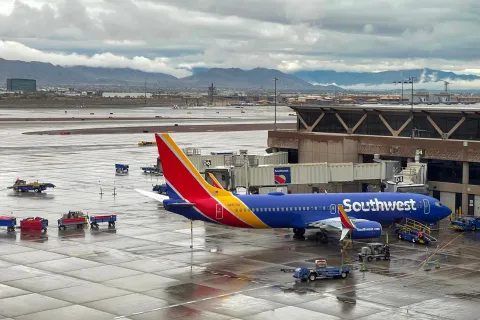
Certain Boeing 737 Max jets have missed-approach software glitch
Boeing is developing a fix for the glitch affecting in-service Max 8 and Max 9 jets running U.14; Southwest Airlines and United Airlines say their Max fleets la...

Jet Fuel Prices Have Doubled Since January
Jet fuel prices have doubled since January, and Leeham News is modeling potential ticket and cargo price effects if the increase persists.
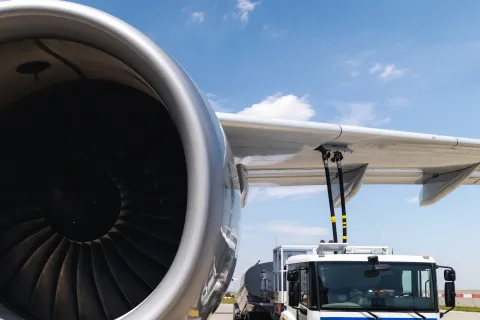
FAA Orders Boeing 737 Max Inspections for Fuselage Cracks
WASHINGTON - Federal regulators mandate structural inspections on nearly 1,500 Boeing 737 Max aircraft worldwide after identifying potential cracks near forward service doors.
About the Author

Dana Lockwood
Dana Lockwood is a Travel Writer at Jetsetter Guide covering budget solo travel from her base in Denver, Colorado.