Stay current with our airline news coverage.
What TSA Actually Allows (and Doesn't)
The rules are specific, if not entirely logical. Round-bladed, blunt-edged butter knives without serration are permitted in carry-on baggage, View From The Wing reported. Anything with serration or a pointed tip? That's getting confiscated. Scissors under 4 inches from the pivot point are fine. Tools 7 inches or shorter get the green light. But that serrated steak knife you packed for a picnic? Not happening. If you really need to travel with knives, you can pack them in checked baggage as long as they're properly sheathed or wrapped. And here's the kicker: authorized airport and airline staff can bring serrated knives into secure areas for operations, because those are considered necessary for food service and concessions.The Policy That Almost Changed Everything
This wasn't always set in stone. TSA actually tried to fix this particular absurdity back in 2013. The agency proposed allowing small knives with blades shorter than 6 centimeters (2.4 inches) and narrower than 1/2 inch through checkpoints. The reasoning was sound enough; TSA should be focusing on real threats, and these were a distraction, View From The Wing noted. But the proposal went down in flames after massive public backlash. Flight attendant unions, families of 9/11 victims, and federal air marshals all opposed the change. One official captured the challenge perfectly: "There is just too much emotion involved with those." Congress eventually banned TSA from authorizing any knives in cabins except plastic or round-bladed butter knives, cementing the current framework. That legislative restriction means TSA can't revisit the issue without Congressional action, even if the security logic has shifted.Where the Contradiction Lives
The result is a policy that draws bright lines at the checkpoint but blurs once you're on board. Airlines justify providing metal cutlery for practical meal service; passengers have already been screened, and cabin crews need functional utensils to serve hot meals in premium cabins. TSA's position is that their job is preventing prohibited items from entering secure areas in the first place, not policing what happens after screening. But that creates obvious questions. If a serrated knife is dangerous enough to confiscate at security, why is it safe to distribute 30 minutes later at 35,000 feet? If the concern is weapons entering the secure area, how does the knife's origin point change its threat level? Airport concessions add another wrinkle. Restaurants and shops in secure areas use metal knives for food prep and service, secured according to individual airport protocols that vary by location. Those knives move through the same concourses as passengers, just under different rules.The Booking Calculus Hasn't Changed, But Your Patience Might
For travelers, the practical takeaway is simple: don't pack knives in carry-ons unless they're genuinely butter knives with round, blunt edges. If you accidentally leave a pocketknife or souvenir blade in your bag, you're either surrendering it at the checkpoint or heading back to check your bag, View From The Wing noted. TSA confiscated thousands of knives annually before the rule tightened, and they're not making exceptions for forgetfulness. The inconsistency won't change your flight options or routing decisions, but it might test your patience at security. When you're explaining to a screener why your Swiss Army knife needs to go while knowing you'll get a serrated steak knife with your business class meal an hour later, the absurdity lands hard. Congress locked in these rules for political and emotional reasons, not operational ones. TSA can't unilaterally adjust the policy without legislation, and no lawmaker wants to be the one advocating for "knives on planes," even small ones. So the contradiction persists, immune to logic but sensitive to optics. The real question isn't whether TSA should allow small knives; it's whether we're willing to have an honest conversation about risk versus theater. Until then, pack your butter knives carefully and accept the metal cutlery when the flight attendant offers it. That's just how it works now.More travel news
TSA's New 3D Scanners Damage Electronics in Bags
WASHINGTON, D.C. - The same advanced scanners letting you keep your laptop in your bag are quietly frying other electronics at airport checkpoints nationwide.
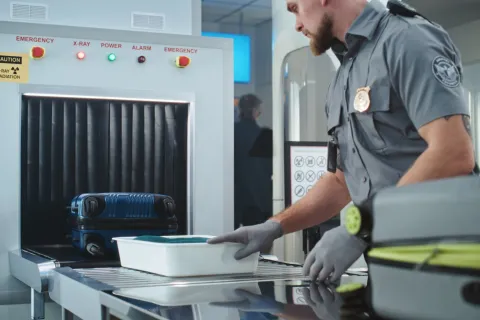
TSA Uncovers Smoke Grenade Stashed in Peanut Butter
Indianapolis, United States - Security officers intercept live explosive devices in checked luggage, including one concealed inside a jar of peanut butter, raising fresh questions about traveler awareness of hazardous-material bans.
TSA Warns Soccer Fans Ranch Dressing Banned in Carry-Ons
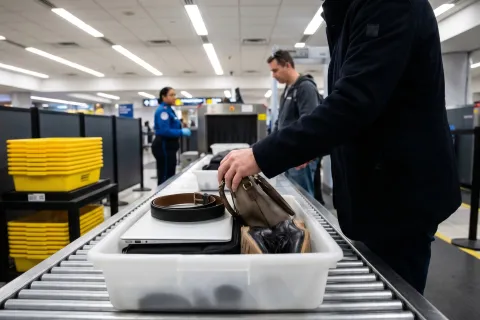
BOSTON, Massachusetts - As international soccer fans flood New England for the World Cup, TSA issued an unexpected warning about packing America's favorite condiment in carry-on bags.

TSA Spending $781M to Change How You Go Through Security
UNITED STATES - The Transportation Security Administration's massive technology rollout is quietly reshaping the checkpoint experience for millions of passengers.
About the Author

Bob Vidra
Bob Vidra, based in scenic Tahoe, is an esteemed tech editor known for his deep understanding of the dynamic intersection of technology, travel, and the outdoors.