Stay current with our airline news coverage.
How the Airline Text Scam Works
The mechanics are simple. You get a text that appears to come from an airline. It might say your flight's been delayed, canceled, or that there's a problem with your booking. The message asks you to click a link, verify information, or contact a number to resolve the issue. That's the hook. Once you engage, you're either giving up personal data directly or being redirected to a fake website that mimics the airline's real portal. From there, scammers can collect credit card numbers, passport details, login credentials, or anything else that can be monetized or used for identity theft. The timing is strategic. Scammers know travelers are stressed, distracted, and often dealing with last minute changes. A text claiming your flight's been canceled gets attention fast, especially if you're already at the airport or en route. That urgency is the weakness they exploit.Experts Advise Verifying Through Official Channels Only
According to KHOU, experts are advising all passengers to check their flight status only with their official airline apps, websites, or by calling the airline directly using a number you find yourself, not one provided in a suspicious message. That's the simplest and most effective defense. Don't trust inbound communications you weren't expecting. If you get a text about your flight, open your airline's app or go to their website independently. If there's a real issue, it'll be reflected there. If not, you've just dodged a scam. This isn't new tactics, but the execution is getting better. Scammers are using more convincing language, better formatting, and spoofed sender IDs that can make messages appear to come from legitimate airline numbers. The difference between a real alert and a fake one is shrinking, which is why the burden is on travelers to stay skeptical.Why Texas Travelers Are Being Targeted
Texas is a high traffic travel market. Between DFW, Houston, Austin, and San Antonio, millions of passengers move through the state's airports every month. That volume makes it a rich target for scammers running wide scale operations. Send out enough fake texts, and statistically, someone will bite. The scam also plays into the reality that a lot of Texans are road warriors: business travelers, bleisure types, and frequent fliers who are used to managing trips on the go. They're checking flight status from their phones constantly. A fake text blends into that routine easily.What Travelers Should Do Right Now
If you're traveling out of Texas or anywhere else in the near term, tighten up your habits. Don't click links in unsolicited texts, even if they look official. Don't call numbers provided in messages you weren't expecting. And don't give out personal information in response to inbound communications unless you've independently verified the source. Set up push notifications through your airline's official app so you get real alerts directly from the source. Most major carriers offer this, and it eliminates the guesswork. If your flight changes, you'll know about it without needing to trust a random text. If you do receive a suspicious message, report it. Forward it to your airline's customer service team and to the Federal Trade Commission at 7726 (SPAM). It won't stop every scam, but it helps airlines and authorities track patterns and issue warnings.The Bigger Picture on Travel Scams
This airline text scam is part of a broader pattern. Scammers are increasingly targeting travelers because the stakes are high and the stress levels are elevated. People dealing with canceled flights, weather disruptions, or last minute changes are more likely to act quickly and less likely to scrutinize details. We've seen similar operations around hotel reservations, rental cars, and visa applications. The common thread is always the same: fake urgency, official looking communications, and a request for information or payment that seems reasonable in the moment but isn't. The defense is also the same. Slow down. Verify independently. Don't trust inbound messages just because they look right. And assume that if something feels off, it probably is. For travelers in Texas and beyond, this is a good reminder that scams evolve as fast as the systems they exploit. Airlines aren't going to ask you to confirm your booking via text link. They're not going to request payment through a third party site. And they're definitely not going to threaten you with consequences if you don't act immediately. If you're planning to travel, build verification into your routine now. Know how to access your flight status through official channels. Save your airline's customer service number in your phone before you leave. And treat every unsolicited message with suspicion until proven otherwise. The scammers are counting on distraction and trust. Don't give them either.More travel news
United Cuts December Flights as Fuel Costs Rise
United is cutting some December flights; Southwest halved planned 2026 capacity growth; and American expects slower 2027 growth if fuel prices remain elevated.S...
American Airlines Gives Free Inflight Snacks a Makeover
FORT WORTH, Texas - American Airlines is refreshing complimentary Main Cabin snacks with Tate’s cookies, Peterson’s snack mix and time-based choices.
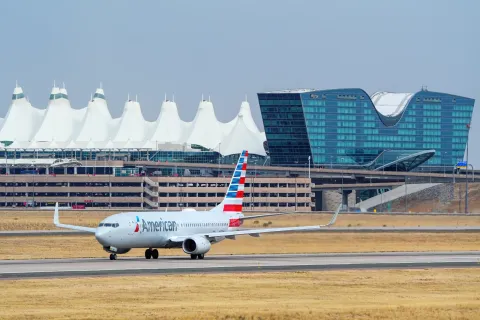
Southwest Bets on Premium Seats and Bag Fees
DALLAS, Texas - Southwest's premium seats and new bag fees may please investors, but the airline must raise revenue without losing its value-minded travelers.
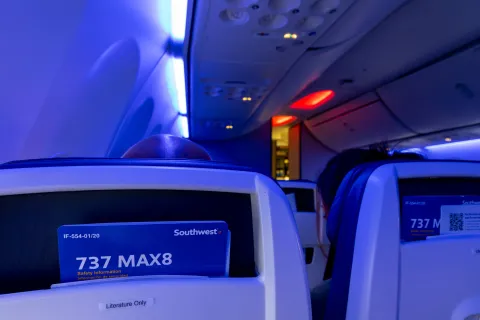
American Airlines Barefoot Ban Catches Flyers Off Guard
FORT WORTH, Texas - American Airlines passengers may be surprised by its barefoot rule, but the evidence points to an existing contract provision, not a new ban.
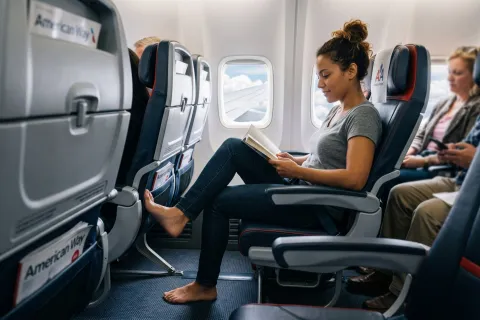
About the Author

Jeff Colhoun
Jeff Colhoun is a photographer and filmmaker whose work has appeared in The Wall Street Journal, the Los Angeles Times, Matador Network and Barron’s.