Stay current with our airline news coverage.
Mexico Updates Travel Advisory Framework
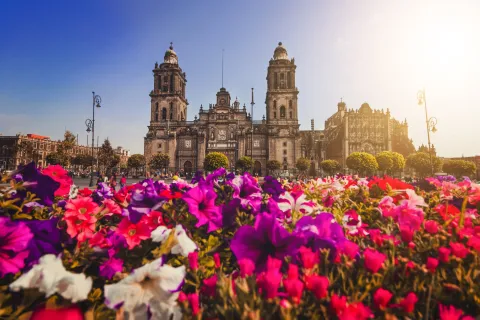
MEXICO CITY, Mexico - Mexico issued updated travel guidance on June 22, 2026, maintaining a dual-track approach that keeps normal operations in place for major tourism destinations while escalating warnings for select states to the highest advisory level, according to Travel and Tour World. The advisory framework continues to differentiate between Mexico's primary tourism zones, including Cancun, Los Cabos, Mérida, and Mexico City, where operations remain unaffected, and a separate tier of states now subject to the most serious travel warnings issued by the government. The update reinforces the destination-specific structure that has characterized Mexico's approach to travel advisories in recent years, acknowledging that security conditions vary dramatically across a country spanning nearly 762,000 square miles with 32 federal entities.Tourism Hubs Maintain Standard Access
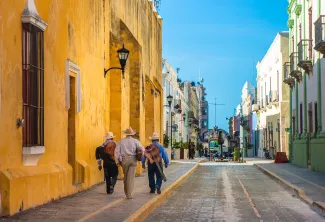
Cancun, Los Cabos, Mérida, and Mexico City continue to operate under normal travel conditions following the June 22 guidance, with no changes to visitor access, hotel operations, or tourism infrastructure in these key markets, Travel and Tour World reported. Current hotel pricing in Cancun reflects steady demand, with rates for late July ranging from $185 to $493 per night, according to Google Hotels data. Median pricing sits at approximately $314 per night, with properties including the JW Marriott Cancun Resort & Spa at $296 per night, Marriott Cancun, An All-Inclusive Resort at $371, and Iberostar Selection Cancún at $314. These four destinations represent the backbone of Mexico's international tourism sector, handling millions of arrivals annually and supporting infrastructure built specifically for international visitors. The guidance makes clear that conditions in these areas remain distinct from states where conflict or instability has prompted elevated warnings.Select States Face Highest-Level Warnings
While the advisory maintains normal operations in major tourism hubs, it simultaneously issues the highest level of travel warnings for select states where conditions have deteriorated or security concerns have escalated, according to Travel and Tour World. The update did not specify which states received the elevated warnings or detail the nature of the threats prompting the highest-level designation, but the tiered structure reflects Mexico's ongoing effort to balance transparency about regional risks with the economic realities of a tourism sector that contributes significantly to GDP. Highest-level warnings typically signal conditions including armed conflict, widespread criminal violence, infrastructure collapse, or government inability to provide basic security or emergency services. These advisories generally recommend against all travel to affected areas and suggest immediate departure for those already present.What the Guidance Means for Travel Planning
The dual-track advisory system creates a clear divide for travelers weighing Mexico as a destination. Those heading to established tourism zones face no additional restrictions or complications under the June 22 update. Hotel bookings, flight schedules, and ground operations in Cancun, Los Cabos, Mérida, and Mexico City continue without interruption. But the guidance also underscores the risk of treating Mexico as a monolith. States under highest-level warnings present genuine hazards that extend beyond typical travel inconveniences. These aren't areas where tourists accidentally wander; they're regions where infrastructure, governance, or security has fundamentally failed. For photographers, expedition travelers, or those working in areas outside the tourism corridor, the update demands close attention to state-specific conditions. The advisory structure assumes travelers will differentiate between destinations and adjust plans accordingly, but it also places the burden of research squarely on the individual. The practical calculus is straightforward: if your itinerary keeps you within the named tourism hubs, the June 22 update changes nothing. If your plans involve states not explicitly cleared, you need current, ground-level intelligence before committing to travel. Travel insurance that covers evacuation and political instability becomes non-negotiable in higher-risk areas. Pricing in Cancun suggests no market panic or booking hesitation following the advisory. Rates remain consistent with seasonal norms, and major hotel chains continue standard operations. That stability reflects both the maturity of Mexico's tourism infrastructure in those zones and the market's growing comfort with destination-specific risk assessments rather than blanket country warnings. The advisory also highlights the limitations of one-size-fits-all guidance. Mexico's geography, governance structure, and economic diversity create conditions that vary drastically from state to state. Treating Quintana Roo the same as a conflict zone hundreds of miles away serves neither accuracy nor traveler safety.More travel news
Luxury Resort Calls Police on Critic at Checkin
Baja California Sur, Mexico - A luxury Aman resort canceled a confirmed $6,000-per-night reservation at the last minute, refused the guest entry, and summoned police during its opening week.

Mexico Lures Medical Tourists With Off Season Deals
PUERTO VALLARTA, Mexico - The resort city is turning its slow summer season into a medical tourism draw for U.S. and Canadian patients seeking affordable dental care and elective procedures.
US Warns Americans of Mexico Crime Risks for Summer
WASHINGTON - New State Department advisory warns Americans of heightened crime and kidnapping risks in Mexico as summer travel season and 2026 FIFA World Cup approach.
US Warns Travelers: Mexico Border Zones Turn Dangerous
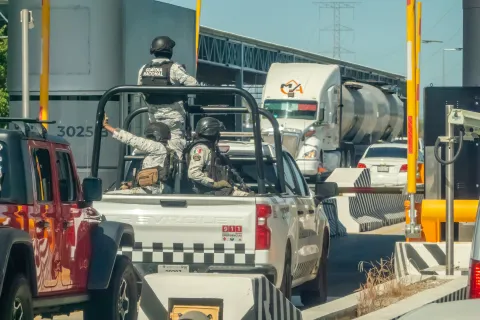
WASHINGTON - The State Department raised Tamaulipas and parts of Coahuila to its highest warning level after 12 died in a January ambush and kidnappings surged 45 percent along smuggling corridors.
About the Author

Jeff Colhoun
Jeff Colhoun is a photographer and filmmaker whose work has appeared in The Wall Street Journal, the Los Angeles Times, Matador Network and Barron’s.