Stay current with our airline news coverage.
The Cost Math and Appointment Access
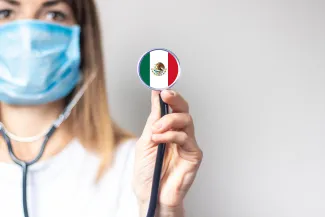
Medical procedures in Mexico cost 36 to 70 percent less than in the U.S. and Canada, with dental work savings reaching up to 80 percent in some cases, according to multiple industry sources. "According to Forbes magazine, the cost of medical procedures in Mexico can be around 85% less than in the US," Beach Please Mexico summarized in a report on Mexico's price advantage. That discount becomes even more pronounced when patients travel during Puerto Vallarta's off-peak months, when round-trip airfare from major U.S. gateways can drop by hundreds of dollars and hotel promotions knock daily rates below high-season pricing. Beyond price, the off-peak window solves a scheduling problem. Clinics and dental practices in Puerto Vallarta typically see lighter patient loads during the summer rainy season and early fall, meaning international patients can book appointments with minimal wait times and often negotiate multi-stage treatment plans that fit around flexible travel schedules. "In our country we have an undoubted medical and hospital quality, accessibility in costs and non-existent waiting times," Hospitals CMQ stated in promotional material on Mexico's medical tourism appeal. For North Americans accustomed to months-long waits for specialist care or complex dental work, that combination of immediate availability and cost savings is a powerful draw. Puerto Vallarta's medical infrastructure is purpose-built for foreign patients. Most major private hospitals and dental clinics are located within 15 minutes of the city's international airport and the hotel zone along Banderas Bay, making logistics straightforward. The city's tourism sector and healthcare providers have coordinated closely to market "dental vacation" packages that bundle treatment, recovery time, airport transfers, and lodging into a single upfront price, often marketed directly to U.S. and Canadian consumers online.Broader Trends Fueling the Off-Peak Strategy
The timing of Puerto Vallarta's off-peak push is no accident. Rising costs across the travel industry are making shoulder-season discounts more attractive to budget-conscious consumers. TravelPulse reported that U.S. airlines' fuel costs jumped 84 percent in May 2026 to more than $6.6 billion, driving overall fares higher and making off-peak travel windows especially appealing to travelers looking to offset those increases. For medical tourists, who are already planning a trip with a fixed healthcare savings target in mind, the ability to shave another $200 or $300 off airfare by traveling in July or September rather than January or March can tip the decision in favor of booking. Bariatric surgery packages in Puerto Vallarta, for example, typically run between $4,800 and $6,500, well below U.S. prices for the same procedures. "For many people, the savings are substantial enough to cover airfare, accommodations, and recovery time while still costing less than treatment," a Medical Tourism in Puerto Vallarta community comment noted on total trip economics. That formula holds across most categories of elective care, from dental implants to joint replacements to cosmetic procedures.How This Changes the Booking Calculus
For travelers considering Puerto Vallarta as a medical destination, the off-peak season fundamentally changes the risk-reward balance. Lower total trip costs reduce the financial downside if complications arise or if follow-up care becomes necessary. Easier appointment scheduling means patients can plan multi-visit treatments, such as staged dental implant work, without worrying about clinic availability or having to extend a stay at peak-season hotel rates. The trade-off is weather: Puerto Vallarta's rainy season runs roughly June through October, and while that rarely disrupts medical appointments, it can limit beach and outdoor activities during recovery time. The integration of healthcare and tourism also raises practical questions about vetting and quality control. Not all clinics in Puerto Vallarta operate to the same standards, and the off-peak marketing push has drawn providers of varying experience levels into the international patient market. Travelers need to verify accreditation, confirm that English-speaking staff will be available throughout treatment, and understand how follow-up care will be coordinated if problems emerge after they return home. The lower price and easier scheduling are real advantages, but they do not eliminate the need for due diligence. Puerto Vallarta's strategy reflects a broader shift in how developing medical tourism markets are positioning themselves. Rather than competing head-to-head with high-season resort traffic, the city is carving out a distinct niche: off-peak months as the optimal window for cost-conscious healthcare travelers who want predictable logistics, flexible scheduling, and a vacation setting for recovery. If the model works, expect other Mexican coastal cities and Central American hubs to adopt similar seasonal strategies, turning traditionally slow tourism months into year-round revenue streams anchored by international patients.More travel news
U.S. Customs and Border Protection to End Routine Passport Stamps
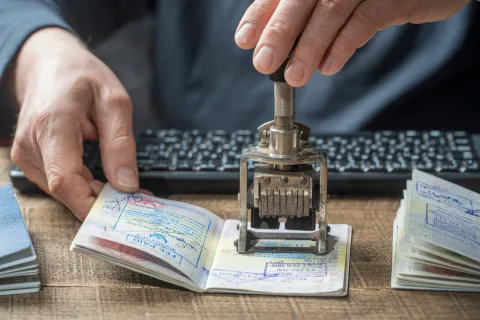
CBP announced routine passport stamping will end during primary inspection, with limited exceptions; foreign visitors can access admission and authorized-stay details through I-94 or CBP Link.
United Flight Attendants Can Refuse ICE Questions
Washington, United States - United flight attendants were told they may remain silent when ICE asks about passengers or coworkers as airport arrests increase nationwide.
Airlines Put Elite Status on a Higher Price Tag
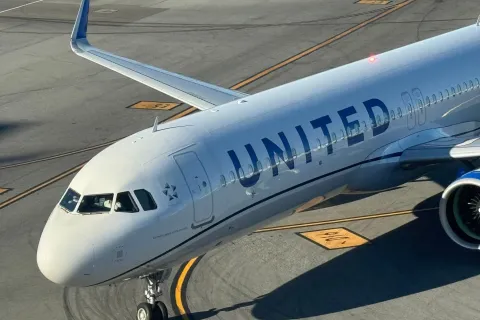
NEW YORK, United States - Delta, United and other major airlines are raising elite status hurdles, leaving frequent flyers on discounted fares with less credit.

Carnival Rewards Sets Sail With Spending Based Status
Carnival Rewards ties cruise status to eligible spending while keeping separate recognition for lifetime sailing days.
About the Author

Jeff Colhoun
Jeff Colhoun is a photographer and filmmaker whose work has appeared in The Wall Street Journal, the Los Angeles Times, Matador Network and Barron’s.