Stay current with our airline news coverage.
KUALA LUMPUR, Malaysia - When Airport Security Becomes the Story
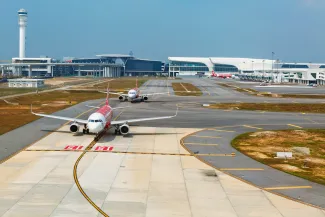
There's a certain unspoken trust that comes with getting on a plane. You trust the pilot knows how to fly it, the mechanics checked the bolts, and security caught anything that shouldn't be on board. That entire chain of assumptions just got significantly messier after a Malaysia Airlines pilot was detained in Indonesia allegedly carrying 25 kilograms of drugs in his luggage, according to Aerotime. On July 28, 2026, Indonesian customs officers arrested the pilot after flight MH727 landed at Jakarta's Soekarno-Hatta International Airport from Kuala Lumpur. Authorities reportedly discovered approximately 70,000 capsules of ecstasy and methamphetamine concealed in his bags, with an estimated street value of around $10.5 million, according to Aerotime. Malaysia's Civil Aviation Authority opened a formal investigation into airport security procedures on August 2, while Malaysian police confirmed on August 1 they had launched their own parallel criminal investigation. Both agencies are now reviewing CCTV footage and baggage screening records at Kuala Lumpur International Airport to figure out how this allegedly happened.The Security Protocol Question
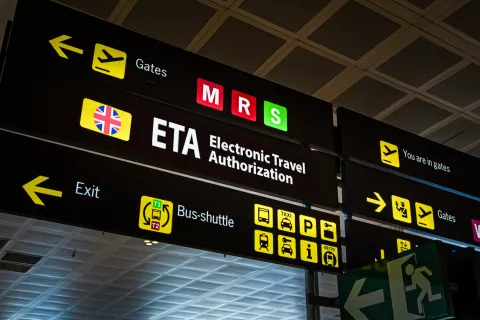
Here's what makes this particularly uncomfortable for anyone who flies regularly: pilots go through the same screening checkpoints as everyone else. CAAM emphasized that flight crew must undergo identical procedures to other individuals, including X-ray inspection of cabin baggage and personal belongings, according to Aerotime. Which means either the screening system failed spectacularly, or someone deliberately bypassed protocols that should have caught 25 kilograms of illegal substances. That's not a small oversight. That's roughly 55 pounds of drugs moving through an international airport. Investigators are now examining whether this incident is connected to a broader cross-border drug trafficking syndicate and whether aviation routes have been systematically exploited for smuggling operations, according to Aerotime. That possibility shifts this from one bad actor to a potential structural vulnerability in how crew members move between countries. Malaysia Airlines is cooperating with the Indonesian investigation while conducting its own internal review, according to Aerotime. The airline hasn't publicly commented on what, if anything, might change in their screening procedures going forward.Why This Hits Different for Travelers
I've spent years moving through airports, watching the theater of security screening play out in its endless variations. The shoe removal, the laptop extraction, the debate over whether your travel-sized toothpaste is actually 3.4 ounces or slightly over. Meanwhile, crew members often breeze through separate channels with minimal scrutiny, trusted by virtue of their role. That trust isn't inherently misplaced; the vast majority of pilots and cabin crew are professionals doing their jobs. But this case exposes something most passengers don't think about: the people operating the flight aren't necessarily subjected to the same level of screening rigor as the people sitting in the back. For backpackers and budget travelers who already navigate complicated visa situations and customs procedures in Southeast Asia, this adds another layer of absurdity to the security landscape. You get questioned about why you're carrying three different currencies and a yoga mat, while someone allegedly moved $10.5 million worth of drugs through the same system. The regulatory investigation will likely lead to increased scrutiny of crew screening procedures, possibly longer security processing times at KLIA, and potentially stricter protocols across Malaysian aviation. For travelers routing through Kuala Lumpur, that could mean longer connection times and tighter security measures that trickle down to everyone.What Actually Changes Now
Realistically, this investigation matters most for the structural question it raises about aviation security gaps. If investigators find evidence of a wider syndicate exploiting crew channels for trafficking, expect significant policy changes not just in Malaysia but across regional aviation hubs. Singapore, Bangkok, Manila, any major Southeast Asian airport will be reassessing their own crew screening protocols. For independent travelers, especially those doing long-term trips through the region, the immediate takeaway is simple: budget extra time for connections through KLIA while this investigation plays out. Security procedures will likely tighten, processing will slow, and the usual shortcuts won't apply until regulators are satisfied the vulnerabilities have been addressed. The larger takeaway is more uncomfortable. We put enormous faith in aviation security systems that clearly have exploitable weaknesses. Whether those weaknesses are technological, procedural, or human, they exist. That doesn't mean air travel is unsafe, it means the illusion of perfect security needs adjusting. I'll keep watching how this unfolds, particularly whether other regional carriers start implementing stricter crew screening before regulators force their hand. The difference between proactive security culture and reactive compliance usually shows up most clearly after something like this breaks into public view.More travel news
Bali Cracks Down on Digital Nomads and Influencers
DENPASAR, Indonesia – Indonesia targets digital nomads and influencers with stricter Bali visa checks, raising questions for remote workers entering on 30-day tourist permits.

Over 200 Asian Flights Canceled Across 3 Countries
JAKARTA, Indonesia - Garuda, AirAsia, Malaysia Airlines, Lion Air, and Batik Air face over 200 flight cancellations across Indonesia, Malaysia, and Hong Kong, stranding travelers on domestic and international routes.
Jakarta Airport Ceiling Caves In During Storm
JAKARTA, Indonesia — Ceiling collapse at Indonesia's busiest airport disrupts 40 flights after heavy monsoon rains, but quick evacuations prevent injuries.
Overwhelmed Hotspots Now Tell Tourists to Stay Away
DENPASAR, Indonesia — Tourism authorities are encouraging travelers to reconsider visits to saturated destinations like Bali and Venice, where the convergence of masses following identical itineraries has created severe environmental and cultural strain.

About the Author

Mariana Torres
Mariana Torres is South America Editor at Jetsetter Guide, covering backpacking and off-the-beaten-path travel in the Andes and the Amazon.