
Stay current with our hotel news coverage.
Luxury Resort's Opening Week Takes a Strange Turn
BAJA CALIFORNIA SUR, Mexico - You'd think a resort charging $6,000 a night would at least let you speak to a manager before calling the cops on you. That's not what happened to hotel reviewer Ryan Walker at Amanvari, the newly opened Aman property in Baja California Sur, and the whole incident raises some uncomfortable questions about how luxury hospitality actually works when the cameras are rolling. Walker had booked a stay during the resort's first week of operation and had communicated with Amanvari in advance about filming his visit, according to Live and Let's Fly. Nothing unusual there; hotel reviewers do this all the time, and properties either say yes, say no, or politely decline filming while still honoring the reservation. What happened instead was considerably messier.A Late-Night Cancellation and a Long Drive
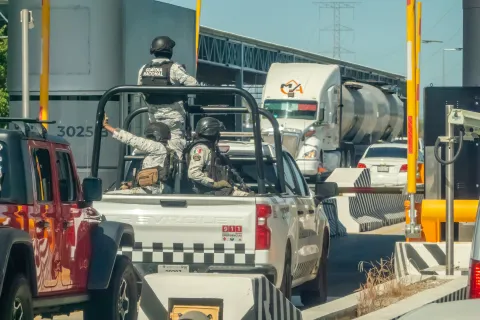
The evening before Walker's arrival, Amanvari sent a cancellation email claiming it needed to reduce arrivals while settling into full operation. Fair enough; opening a resort is complicated. But Walker didn't see the message before departing for the roughly two-hour drive to the property, and what happened when he arrived suggests this wasn't just a routine operational adjustment. Security personnel immediately identified Walker by name upon arrival, according to Live and Let's Fly. They knew who he was, they were expecting him, and they made it clear he wasn't getting through the gate. When Walker produced an email from Amanvari's own reservations team referencing his expected arrival, security denied him entry anyway. One employee even suggested Walker may have canceled the reservation himself, which is a remarkable thing to say to someone holding proof of a confirmed booking. Walker asked to speak with management. He was refused. Then the resort called the police.Full Rooms or Selective Availability?
Here's where the story gets particularly odd: Walker was still able to find new reservations available at Amanvari for the same night and following days at full price, according to Live and Let's Fly. So the resort wasn't actually sold out, and it wasn't pausing all arrivals. It was pausing his arrival, specifically. Aman Resorts and Amanvari have offered no public response or explanation. Walker's video about the incident gathered more than 136,000 views in less than 24 hours, which means this isn't going away quietly.What This Says About Transparency in Hospitality
I've covered enough hotel openings to know that soft launches can be chaotic. Systems fail, staff needs training, inventory gets miscalculated. None of that is unusual, and most properties handle it by communicating clearly and treating guests like adults. What's strange here is the sequence: a last-minute cancellation sent late at night, security briefed to turn away a specific guest by name, refusal to allow any conversation with management, and a police call for someone who simply showed up with a confirmed reservation. If Amanvari genuinely needed to reduce arrivals during its first week of operation, why were rooms still available for booking at $6,000 per night? If the concern was filming, why not address that directly in advance rather than cancel hours before arrival? And if Walker's presence was truly unwelcome, why not cancel the reservation days earlier with a full refund and a straightforward explanation? The lack of transparency is what stings. Luxury hospitality is supposed to mean something more than thread counts and ocean views; it's supposed to mean trust. When a property charges $6,000 a night, guests aren't just paying for real estate. They're paying for the assumption that the brand will treat them with professionalism and honesty, even when things go wrong. Instead, Walker got stonewalled, dismissed, and treated like a security threat for the offense of holding a confirmed reservation. That's not a soft opening hiccup. That's a choice.The Ripple Effect for Travelers
For anyone considering Amanvari or other high-end properties, this incident is a reminder that price doesn't guarantee accountability. A $6,000-per-night rate doesn't obligate a resort to explain its decisions, apparently, or even to acknowledge when something goes sideways. If you're booking a newly opened luxury property, especially during the first few weeks of operation, document everything. Save confirmation emails, take screenshots of reservation details, and don't assume that direct communication with the property will prevent last-minute chaos. And if you're a reviewer or influencer planning to film, get explicit written permission well in advance, because informal nods can evaporate quickly when a property changes its mind. The broader issue here is what happens when hospitality brands decide certain guests aren't worth the trouble. Walker wasn't disruptive, wasn't rude, and wasn't demanding anything beyond what his reservation entitled him to. He showed up. That was apparently enough to trigger a series of decisions that ended with police involvement, and Aman hasn't said a word about why. Until they do, travelers are left to draw their own conclusions about what $6,000 a night actually buys you at Amanvari.More travel news
Mexico Lures Medical Tourists With Off Season Deals
PUERTO VALLARTA, Mexico - The resort city is turning its slow summer season into a medical tourism draw for U.S. and Canadian patients seeking affordable dental care and elective procedures.

Mexico Updates Travel Warnings for Key Destinations
MEXICO CITY, Mexico - Mexico maintains normal operations in Cancun, Los Cabos, Mérida, and Mexico City under updated June 22 travel guidance while issuing highest-level warnings for select states.

US Warns Americans of Mexico Crime Risks for Summer
WASHINGTON - New State Department advisory warns Americans of heightened crime and kidnapping risks in Mexico as summer travel season and 2026 FIFA World Cup approach.

US Warns Travelers: Mexico Border Zones Turn Dangerous
WASHINGTON - The State Department raised Tamaulipas and parts of Coahuila to its highest warning level after 12 died in a January ambush and kidnappings surged 45 percent along smuggling corridors.
About the Author

Wilson Montgomery
Wilson Montgomery is a Travel Writer at Jetsetter Guide covering Africa and safari travel.