Stay current with our airline news coverage.
Air India A320 Drops 300 Feet in Severe Turbulence, Injuring 17 Onboard
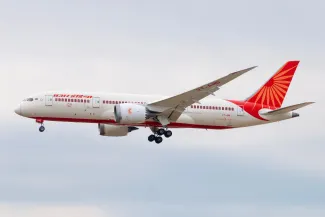
DELHI, India - An Air India Airbus A320neo carrying 134 passengers plummeted roughly 300 feet during severe turbulence on August 4, injuring at least 17 people before completing its flight from Phuket to Delhi, according to Simple Flying. Flight AI2379 encountered the turbulence approximately 90 minutes after departing Thailand's Phuket International Airport. The aircraft dropped 91 meters in a matter of seconds, violently throwing unsecured passengers, cabin crew members, and loose items into the air before the pilots regained control. Emergency medical personnel met the aircraft at Delhi's Indira Gandhi International Airport shortly after 11:00 local time. Several passengers required hospital treatment, and cabin crew members were among those injured in the incident.Cabin Damage and Passenger Accounts
Images from inside the aircraft revealed extensive damage to the cabin interior. Cracked ceiling panels, dislodged overhead components, and personal belongings littered the aisles, providing visual evidence of the turbulence's severity. "People behind me suffered injuries. A male passenger had blood on his face. We thought we would die. It was really scary," said Viviana, a passenger on the flight, according to Simple Flying. The aircraft sustained damage to several overhead panels and interior fittings during the event, though the structural integrity remained intact. The pilots opted to continue to Delhi rather than divert, and the flight landed without further operational issues.Echoes of Singapore Airlines Turbulence
The incident draws immediate comparisons with Singapore Airlines Flight SQ321, which encountered extreme turbulence over Myanmar in May 2024. That event resulted in one passenger's death and injured dozens more, marking one of the most severe turbulence incidents in recent aviation history. Severe turbulence remains the leading cause of in-flight injuries on commercial aircraft, though such extreme events are relatively uncommon. Clear-air turbulence, the type most likely responsible for sudden altitude drops like the one experienced on AI2379, presents a particular challenge for flight crews because it occurs without visible storm clouds or significant advance warning. Airlines worldwide emphasize keeping seat belts fastened whenever passengers are seated, precisely because of unpredictable turbulence events. The Air India incident underscores that recommendation; unsecured passengers bore the brunt of the injuries when the aircraft suddenly dropped.When Clear Air Turns Violent
This incident highlights a fundamental tension in modern air travel: the safest place during turbulence is strapped into your seat, yet passengers routinely unbuckle during what appears to be smooth flying. Clear-air turbulence, one of commercial aviation's most difficult weather hazards to predict, can strike without warning at cruising altitude, far from any visible weather system. For travelers on long-haul or regional flights across Southeast Asia, the takeaway is blunt: treat your seat belt like non-negotiable insurance. The 300-foot drop on AI2379 happened 90 minutes into the flight, well past the initial climb when passengers typically feel comfortable moving about. That timing matters. Turbulence doesn't respect the service cart schedule or your need to stretch. The fact that cabin crew members were among the injured suggests they were performing service duties when the turbulence hit. Crew are trained to manage turbulence risks, but physics doesn't distinguish between passengers and professionals when an aircraft drops nearly 100 meters in seconds. If you're planning travel on routes that cross mountainous terrain or tropical zones where atmospheric conditions can shift rapidly, consider this: the inconvenience of staying buckled loosely during cruise is vastly preferable to the alternative documented in those overhead panel photos. The Air India aircraft completed its flight safely, but 17 people paid a physical price for being unsecured when invisible atmospheric forces took over. No amount of luxury amenities or premium cabin access changes that calculus. The incident also serves as a reminder that even routine regional flights can encounter conditions severe enough to cause structural cabin damage. Urban travelers hopping between Southeast Asian cities or connecting through Delhi should approach every flight segment, regardless of duration, with the same safety discipline they'd apply to longer international routes.More travel news
Air India Pilot Deported After Marijuana Found in Bag
SAN FRANCISCO - Federal law trumped state rules when an Air India co-pilot arriving at SFO was denied entry and sent home after marijuana was discovered in his bags.

A Dog Bite Abroad Taught Me Why Travel Insurance Matters
SOUTHEAST ASIA — After a street dog bite, motorbike crash, and lost phone, one traveler learned the hard way that skipping travel insurance to save money can cost far more in the long run.

Airlines cut UAE flights as tensions rise
NEW DELHI, India — Multiple airlines cut India-UAE flights Sunday due to operational restrictions tied to West Asia tensions, as DGCA grants Air India temporary pilot duty extensions for longer routes avoiding conflict airspace.

Disney Unveils Summer 2027 Cruise Routes Worldwide
CELEBRATION, Fla. — Disney Cruise Line launches summer 2027 itineraries spanning Europe to Southeast Asia, with Castaway Club bookings starting February 16 and public sales opening February 23.
About the Author

James Anthony
James Anthony is a Travel Writer at Jetsetter Guide covering European city breaks and luxury travel on a budget.