Stay current with our airline news coverage.
WestJet Strike Ends After Two Days of Holiday Travel Chaos
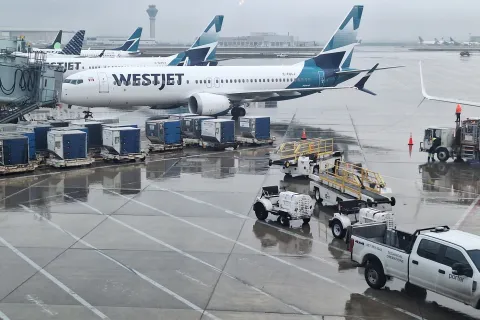
CALGARY, Canada - The weekend disruptions that left a quarter-million travelers scrambling for flights are over, at least for now. WestJet and its 4,400 flight attendants reached a tentative agreement Monday, wrapping up a brief but disruptive strike that snarled holiday travel across Canada's second-largest airline. The strike, which began Sunday, canceled 495 flights that day alone and stranded roughly 250,000 travelers over what should have been an easy long weekend, according to Reuters. Flight attendants walked off the job over a familiar industry gripe: pay for ground work. While the airline argued crews were already compensated through a credit-hour system, the union insisted significant chunks of pre-flight duties went unpaid or undervalued. Monday's tentative deal doesn't make anyone a winner just yet; it still has to survive a ratification vote by cabin crew. But for now, flight attendants are heading back to work and WestJet is trying to untangle a network knocked offline during peak summer demand.The Ground Pay Fight That Shut Down an Airline
At the heart of this strike was a question that's become a flashpoint across North American aviation: should flight attendants get paid for the work they do before the plane leaves the gate? The union, CUPE Local 8125, said no under WestJet's existing system. Boarding passengers, running safety checks, managing delays; all of it fell into a compensation gray zone tied to "credit hours" rather than actual time on the clock. WestJet had put forward what it called an industry-leading offer ahead of the strike: a 13% wage bump in October, retroactive pay stretching back to last January, and 2.5% annual increases for the next three years, according to Reuters. The airline also proposed adding pay for all hours worked, a nod to the union's central demand. But it wasn't enough to avert the walkout. "This tentative agreement represents meaningful progress. It evolves the flight credit system by recognizing more of the work cabin crew are required to perform and with general increases to compensation for that work," said Alia Hussain, President at CUPE 8125, according to Reuters. WestJet CEO Alexis von Hoensbroech echoed the relief in a statement: "We are pleased to have reached a tentative agreement that reflects the hard work and professionalism of our cabin crew. We know this disruption has been frustrating for our guests and WestJetters and we're sorry for that. Our teams are working hard to restore service and get our guests on their way to their destinations as quickly as possible and we appreciate everyone's patience as we get back to normal," according to Reuters. The details of what exactly changed between last week's rejected offer and Monday's tentative deal haven't been made public yet. But the union's language suggests the new agreement shifts how WestJet values ground hours, a significant concession in an industry where pay models have historically rewarded flying time above all else.A Holiday Weekend No One Will Forget
The timing couldn't have been worse for passengers. A long weekend in Canada, summer vacation season in full swing, and suddenly nearly 500 flights gone in a single day. Families separated, business trips derailed, connections missed. The disruption rippled well beyond WestJet's hubs; when you yank that much capacity out of the system, the knock-on effects touch travelers who weren't even booked on the airline. WestJet has pledged to get operations back to normal as quickly as possible, but anyone who's watched an airline recover from a labor stoppage knows it's not a light-switch situation. Aircraft are out of position, crews need to be reassigned, and the backlog of stranded passengers has to work its way through a schedule that was already running near capacity. Expect residual delays and cancellations for at least a few days as the network stabilizes. This isn't the first time Canadian travelers have dealt with a summer strike over ground pay. Last year, Air Canada flight attendants staged a three-day walkout over similar issues, stranding more than 100,000 travelers, according to Reuters. That dispute ended with the airline making changes to how it compensates cabin crew for pre-flight work, setting a precedent that clearly influenced this round of negotiations at WestJet.What Travelers Should Watch For Now
Here's the catch: this tentative agreement isn't final. It still needs to be ratified by the 4,400 flight attendants represented by CUPE Local 8125. That vote could take days or weeks, and if it fails, we're right back where we started, potentially with another strike on the horizon. For anyone holding a WestJet ticket in the coming weeks, that's worth keeping an eye on. If you were caught in this weekend's chaos, WestJet is obligated to refund or rebook you. Don't settle for a travel credit if you'd prefer cash; under Canadian passenger rights rules, you're entitled to a full refund if your flight was canceled. If you were rebooked on another carrier or paid out of pocket for a hotel, keep your receipts and file a claim; the airline's compensation obligations don't end just because the strike does. For future bookings, this whole episode is a reminder that labor disruptions are becoming a regular feature of peak travel season. Air Canada last summer, WestJet this year; the pattern is clear. If you're flying during a holiday weekend or another high-demand window, consider travel insurance that covers strikes, or at minimum, book refundable fares on critical trips. The days when you could assume smooth operations during the summer rush are gone. The tentative deal also signals something broader: the fight over how airlines pay flight attendants for ground work isn't going away. As more carriers adjust their compensation models to reflect boarding and pre-flight duties, the pressure on holdouts will intensify. WestJet's concessions this week suggest the industry is slowly moving toward valuing the full scope of cabin crew labor, not just the hours spent in the air. Whether that translates into better service or higher fares down the line is anyone's guess, but it's a shift worth watching if you fly regularly in North America.More travel news
Air Canada Teases Five New Global Routes for 2027
MONTREAL, Canada - Air Canada is teasing five international routes for summer 2027, turning airport codes, visual clues and a ticket contest into a guessing game.

US and Canada Raise Travel Alerts Across Key Hotspots
Washington, United States - Updated North American travel advisories sharpen warnings for Tanzania and South America, with localized risks requiring closer trip planning.

WestJet Grounds 81 Flights as Strike Threat Looms
TORONTO, Canada - Canada's second-largest airline begins pre-emptive cancellations as 4,400 flight attendants prepare to walk out over unpaid ground duties and wage disputes.

WestJet Crew Threatens Strike Over Unpaid Work
VANCOUVER, British Columbia - Four thousand four hundred WestJet cabin crew threaten to walk out on Canada's busiest summer weekend, demanding pay for ground work the airline currently classifies as unpaid.
About the Author

Bob Vidra
Bob Vidra is News Editor at Jetsetter Guide, covering airlines, airports and the travel industry since 2023.