Stay current with our airline news coverage.
Mass Cancellations Strand Thousands of Travelers
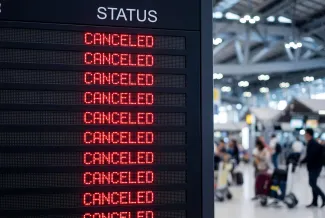
NATIONWIDE, United States - Air travel ground to a frustrating crawl on July 7, 2026, as severe weather systems barreling through the South and up the Eastern Seaboard triggered 667 flight cancellations and delayed 4,324 more across multiple states. Passengers in Texas, Florida, Georgia, New York, and Massachusetts bore the brunt of the disruption, with major carriers including Delta Air Lines and regional partners Republic, PSA, and Endeavor Air scrambling to manage the fallout. The scale of the disruption turned what should have been routine travel days into extended airport waits, missed connections, and scrambled vacation plans. According to The Traveler, storms sweeping through the South and along the Eastern Seaboard contributed to a sharp spike in cancellations and delays, particularly around high-traffic hubs in Texas, Florida, and Georgia. It's the kind of weather event that exposes just how interconnected the airline network really is. A ground stop at one major hub doesn't just strand passengers there; it ripples outward, delaying crews, aircraft, and connecting flights hundreds of miles away.Which Airlines and Airports Took the Hardest Hit
Delta Air Lines and its regional subsidiaries felt significant pressure from the disruptions. Endeavor Air, which operates Delta Connection flights, was among those struggling to maintain schedules as thunderstorms reduced visibility and forced ground stops at key hubs. Republic and PSA, both regional carriers operating under major airline banners in the Eastern corridor, also faced operational bottlenecks. The affected states cover some of the busiest aviation markets in the country. Texas hubs like Dallas/Fort Worth and Houston serve as critical connection points for cross-country travel. Florida's Orlando, Tampa, and Miami airports handle massive volumes of leisure traffic. Meanwhile, Georgia's Hartsfield-Jackson Atlanta International Airport remains the world's busiest by passenger count, meaning any weather hiccup there cascades nationwide. New York's LaGuardia, JFK, and Newark airports, along with Boston Logan in Massachusetts, complete the picture of vulnerability. These Northeast hubs already operate near capacity on good-weather days; throw in thunderstorms, low ceilings, and temporary airspace restrictions, and the system buckles fast.Weather Creates Perfect Storm for Delays
Severe weather doesn't just cancel flights outright; it creates a domino effect that can take days to resolve. When thunderstorms roll through, air traffic controllers reduce the number of arrivals and departures airports can handle per hour. Ground stops pause operations entirely until conditions improve. Aircraft and crew get stranded out of position, meaning even after skies clear, airlines face the logistical puzzle of getting planes and pilots back where they're supposed to be. The timing likely didn't help. Early July typically sees elevated travel volumes as families squeeze in vacations and business travel resumes after the Fourth of July holiday. Maximum demand meeting compromised operations is a recipe for exactly this kind of widespread disruption. What passengers on the ground often don't realize is that airlines can't simply swap in spare aircraft or conjure extra crews. Federal duty time regulations limit how many hours pilots and flight attendants can work, and weather delays eat into those limits quickly. Once crews "time out," flights get canceled even if the weather has improved.The Real Cost of Cascading Flight Disruptions
This isn't just an inconvenience story; it's a reminder of how fragile air travel can be when infrastructure meets weather reality. The concentration of traffic at major hubs creates enormous efficiency under normal conditions but represents a structural vulnerability when storms hit. Airports in the South and Northeast handle such dense traffic that there's little slack in the system to absorb weather-related slowdowns. For travelers caught in the middle of this, the immediate concern is rebooking. Airlines typically issue travel waivers during significant disruptions, allowing passengers to change flights without fees within a specified window. Delta, for instance, has extended such waivers during similar recent Northeast storms, with rebooked travel often required within 24 to 48 hours of the original departure. The broader question is whether this becomes more common. If you're booking travel through Texas, Florida, Georgia, or the Northeast corridor during summer months, you're gambling on afternoon thunderstorm patterns that have become increasingly disruptive. Hotels near these major hubs see this dynamic play out repeatedly; current rates in New York, for example, range from $178 to $291 per night according to current Google Flights data, with median prices around $228. That's not cheap if you're stuck overnight waiting for a rebooked flight. My take? If you're connecting through one of these storm-prone hubs between now and September, build in buffer time. Book morning flights when possible; afternoon and evening departures face higher odds of weather delays. And seriously consider travel insurance that covers weather-related disruptions, not just cancellations. The four thousand-plus delayed flights represent tens of thousands of passengers who technically got where they were going, just hours late, tired, and without compensation. The July 7 disruptions won't be the last we see this summer. Storms, constrained airspace, and maxed-out hub capacity are facts of life in modern aviation. Travelers who plan around that reality will save themselves considerable frustration.More travel news
United Flight Attendants Can Refuse ICE Questions
Washington, United States - United flight attendants were told they may remain silent when ICE asks about passengers or coworkers as airport arrests increase nationwide.
Airlines Put Elite Status on a Higher Price Tag
NEW YORK, United States - Delta, United and other major airlines are raising elite status hurdles, leaving frequent flyers on discounted fares with less credit.

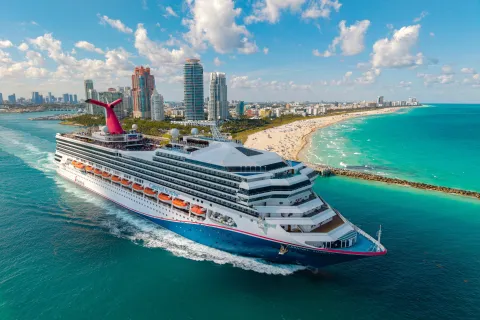
Carnival Rewards Sets Sail With Spending Based Status
Carnival Rewards ties cruise status to eligible spending while keeping separate recognition for lifetime sailing days.
9 National Parks Where Fall Colors Steal the Show
MOUNT DESERT ISLAND, Maine - Nine national parks are drawing autumn travelers with vivid foliage, scenic drives and trails that are generally quieter than in summer.

About the Author

Bob Vidra
Bob Vidra, based in scenic Tahoe, is an esteemed tech editor known for his deep understanding of the dynamic intersection of technology, travel, and the outdoors.