Stay current with our airline news coverage.
Another Wave of Disruption Hits Brazil's Domestic Network
SÃO PAULO, Brazil – If you were trying to fly through Brazil on July 12, 2026, there's a decent chance you spent more time in the airport than you'd planned. Hundreds of travelers found themselves stranded across the country as 166 flight delays and 18 cancellations rippled through major hubs, hitting GOL Linhas Aéreas, Azul Brazilian Airlines, and regional feeder Azul Conecta, according to Thetraveler. The disruption touched six of Brazil's busiest cities: São Paulo, Curitiba, Rio de Janeiro, Belo Horizonte, Recife, and Porto Alegre. For travelers connecting through these hubs or relying on smaller regional routes served by Azul Conecta, the cascading effect left many isolated far from home, juggling rebookings, hotel vouchers, and uncertain timelines. It's the latest in a troubling pattern. Brazil's domestic aviation network has been hit by repeated large-scale disruptions throughout mid-2026, with severe weather, airspace closures, and operational pressures triggering waves of delays and cancellations. Earlier incidents on June 30 and July 3 left thousands stranded; the July 12 event underscores how vulnerable the system remains when problems compound across multiple carriers and cities simultaneously.Why the Disruption Spread So Quickly
Brazil's domestic network is tightly woven. São Paulo alone operates two of the country's busiest airports, Guarulhos and Congonhas, which serve as critical connection points for flights heading north to Recife, south to Porto Alegre, west to Curitiba, and inland to Belo Horizonte. When delays or cancellations hit these hubs, the effects don't stay local; they cascade outward, especially for carriers like Azul Conecta that funnel passengers from smaller cities into the main network. GOL and Azul Brazilian Airlines operate dense schedules with limited spare aircraft and crew. That efficiency works beautifully when everything runs smoothly. But when storms roll in, airspace gets congested, or a technical issue grounds a jet, there's little buffer. Aircraft sit out of position, crews time out, and the delays multiply. Passengers who were supposed to connect in São Paulo end up stuck in Recife; travelers heading home to Curitiba watch their evening flight slip past midnight. The July 12 disruptions affected all three carriers simultaneously, suggesting a shared trigger, likely weather or airspace congestion, rather than isolated mechanical or staffing issues. But the result for travelers was the same: uncertainty, long waits, and the frustration of watching departure boards cycle through delays with no clear answer about when they'd actually get home.What Travelers Face When Flights Fall Apart
Brazilian aviation law, specifically ANAC Resolution 400, requires airlines to provide assistance when flights are delayed or canceled. For delays longer than one hour, you're entitled to communication; after two hours, food; after four hours, accommodation if you're away from home, or the option to rebook or get a refund. But enforcement can be patchy, especially when hundreds of passengers are affected at once and airline staff are overwhelmed. If you were caught in the July 12 chaos, your experience likely depended on where you were and how proactive you were. Travelers at major hubs like São Paulo or Rio probably had more rebooking options and hotel availability. Those stranded in smaller cities served primarily by Azul Conecta may have found themselves with fewer alternatives and longer waits, especially if the next available seat wasn't until the following day. The emotional toll adds up quickly. Missing a work meeting is one thing; missing a wedding, a funeral, or the first day of a long-awaited vacation is another. And when you're isolated in a city you don't know, juggling phone calls with the airline and trying to figure out lodging, the technical causes of the delay start to matter a lot less than just getting home.The Bigger Reliability Question
Here's what stands out to anyone covering Brazilian aviation right now: these disruptions aren't one-off anomalies. The July 12 event follows multiple similar incidents in recent weeks, all involving the same carriers, the same hubs, and the same pattern of cascading delays that leave travelers stranded across multiple cities. That raises a broader question about resilience. Airlines are designed to operate efficiently, and efficiency often means cutting slack out of the system. Fewer spare aircraft, tighter crew schedules, minimal ground time between flights. It keeps costs down and fares competitive, but it also means there's little margin for error when something goes wrong. And in Brazil's winter season, with its mix of storms, heavy traffic, and congested airspace, something goes wrong fairly often. For travelers, the practical takeaway is this: if you're booking domestic travel in Brazil during peak periods, build in buffer time. Don't schedule tight connections, especially through São Paulo or Rio. Consider travel insurance that covers delays and cancellations. And if you're flying to something that absolutely can't be missed, arrive a day early if you can. The other piece is knowing your rights. ANAC-400 gives you leverage, but only if you assert it. Keep records of your delays, ask for meal vouchers and hotel accommodation in writing, and don't assume the airline will offer everything you're entitled to without prompting. When hundreds of people are disrupted at once, the squeaky wheel really does get the grease. Airlines and regulators need to confront whether the current operational model can handle the stress of Brazil's busiest travel periods without repeatedly leaving passengers stranded. For now, though, the pattern is clear: if you're flying domestically in Brazil, pack your patience along with your carry-on.More travel news
Boeing MAX 8s Scrapped After Just Six Months of Flight
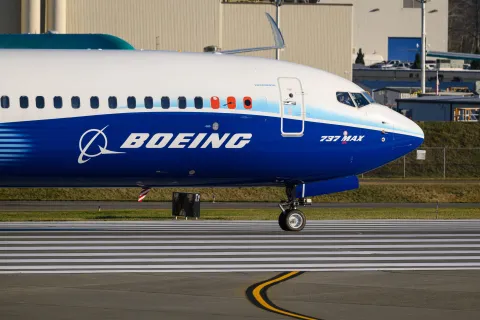
São Paulo, Brazil - Two Boeing 737 MAX 8 aircraft retired after just six months in service with GOL Linhas Aéreas are now being dismantled, highlighting ongoing quality control concerns.
Canada Warns of Drink Spiking in Brazil and Cuba
OTTAWA, Canada — New Canadian government advisories highlight surging drink spiking incidents in Brazil and deteriorating security conditions in Cuba, prompting urgent warnings for the 450,000+ Canadians visiting both destinations annually.

Multi-Country Visas Beyond Schengen Now Open to Indians
NEW DELHI, India — Multi-destination visas are cutting costs and paperwork for Indian travelers, with Brazil extending bilateral visas to 10 years and the Gulf preparing a regional visa launch.

Family Booted Off Flight After Refusing Seat for Staff
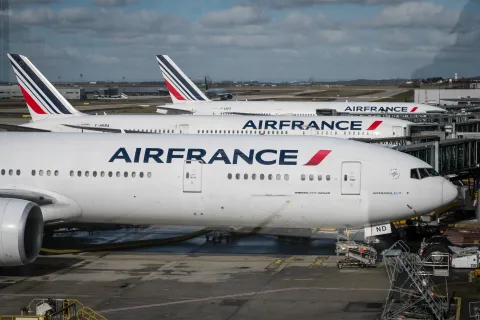
EUROPE — Armed officers escorted Ivan Lopes and his family off an Air France flight after they allegedly refused to vacate a business class seat for airline personnel.
About the Author

Bob Vidra
Bob Vidra is News Editor at Jetsetter Guide, covering airlines, airports and the travel industry since 2023.