
Stay current with our travel events coverage.
Brazil-India 10-Year Visa Sets New Benchmark
Brazil and India activated a new 10-year, multiple-entry visa regime on February 5, 2026, doubling the previous five-year validity and dramatically cutting costs for frequent travelers. The arrangement allows cumulative stays of up to 90 days per entry for tourism or 180 days per year for business, with re-application costs reduced by at least 40% for repeat visitors. For Indian companies with engineering contracts in Brazil's infrastructure and energy sectors, the change is operational, not symbolic. Administrative lead-times have dropped from three weeks to less than five working days, according to global mobility specialists tracking the rollout. The new visa regime strengthens bilateral ties between two of the BRICS nations and directly supports graduate-level talent exchanges between tech ecosystems in São Paulo, Campinas, and Bengaluru. India ranks 10th as a foreign investor in Brazil, particularly in IT services, bio-energy, and pharmaceuticals. The extended visa validity removes a persistent friction point for corporate mobility managers and traveling professionals who previously faced repeated applications and unpredictable processing delays. Brazil has also migrated its consular operations to a fully digital platform, allowing applicants to manage the entire application journey online, from initial document checks to final passport return. For travelers and mobility managers looking to capitalize on the new 10-year arrangement, the streamlined online interface can manage the entire application journey, from initial document checks to final passport return, according to industry reporting. BRICS partners such as South Africa and Russia are monitoring the Brazil-India visa uptake closely as they negotiate their own mobility facilitation agreements with Brazil ahead of COP-30 in Belém.Schengen Visa Remains Top Multi-Destination Option
The Schengen visa, issued by any one of the 27 Schengen countries, allows free movement across most of Europe for up to 90 days within a 180-day period, according to Travel. Travelers can enter through one member state and move freely across the others, covering 29 countries in total, making it the most popular multi-country visa option for Indian passport holders. However, multi-country visas usually come with specific entry rules, such as entering through the country that issued the visa or following a fixed travel sequence. For Schengen applicants, this means the first entry must typically occur in the issuing country or the country where the traveler will spend the most time. Misunderstanding these requirements leads to denied entry at borders, even with valid visas in hand. Indian citizens have access to 25 visa-free, 43 visa-on-arrival, 65 e-visa, and 4 ETA countries and territories as of 2026, ranking India 68th globally in passport strength. The Schengen visa significantly expands that access, but the application process remains document-heavy, expensive, and subject to high rejection rates depending on the issuing consulate.GCC Unified Visa Set for 2026 Pilot Launch
The GCC Unified Visa for Gulf Cooperation Council states is expected to launch in 2026 with a pilot in late-year, designed for tourists and business visitors with flexible multi-destination itineraries. The visa will allow Indian travelers to visit multiple Gulf states with a single application, positioning itself as a regional competitor to the Schengen framework. The GCC initiative reflects aggressive positioning by Gulf states to attract Indian tourism and business travel, particularly as Dubai, Abu Dhabi, and Riyadh expand their roles as regional hubs for conferences, corporate events, and leisure tourism. For Indian travelers, the GCC Unified Visa offers reduced paperwork, fewer applications, and better travel value compared to traditional single-destination visa applications. The pilot phase will test administrative infrastructure, border coordination, and digital tracking systems across member states. If successful, it could reshape travel patterns across the Gulf and create a template for other regional blocs exploring similar mobility frameworks.UK Multiple Entry Visa Unlocks 23 Additional Destinations
The UK Multiple Entry Visa allows Indian citizens to enter 15 countries visa-free and gain visa-on-arrival access to 8 additional countries, including Antigua and Barbuda, Armenia, and Saudi Arabia. This secondary access, often overlooked by travelers, extends the value of a UK visa far beyond Britain itself. For Indian travelers planning Caribbean or Middle Eastern itineraries, a valid UK visa can reduce the number of separate applications and fees required. Indian travelers can also access visa-free travel to the Philippines as of 2026, adding to the growing list of budget-friendly destinations accessible without upfront visa costs.US Visa Covers All 50 States and Territories
The US visa allows travelers to move freely across all 50 states, according to Travel. In addition, it covers certain US territories, providing access to locations such as Puerto Rico, the US Virgin Islands, Guam, and the Northern Mariana Islands without additional applications. For Indian tourists and business travelers, this means seamless domestic mobility once admitted to the United States, though the initial visa application process remains lengthy, document-intensive, and subject to strict interview requirements.What This Means for Indian Travelers
Multi-destination visas reduce the cumulative cost, time, and administrative burden of international travel. They allow Indian travelers to explore entire regions without reapplying at every border, and they shift competitive pressure onto governments and consulates to streamline processes or risk losing tourism revenue. For visa-weary Indian travelers, these arrangements represent incremental progress in a system that has long treated mobility as a privilege rather than a practical necessity. Visa rules may change without enough notice; readers are advised to get the latest information from respective country consulates.More travel news
Boeing MAX 8s Scrapped After Just Six Months of Flight
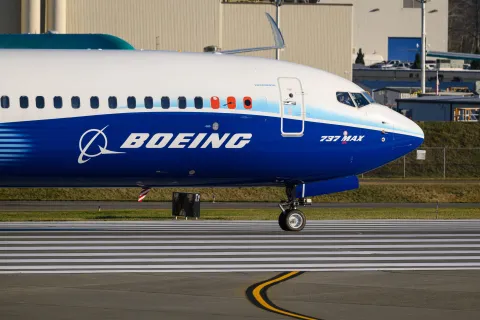
São Paulo, Brazil - Two Boeing 737 MAX 8 aircraft retired after just six months in service with GOL Linhas Aéreas are now being dismantled, highlighting ongoing quality control concerns.
Kuwait Airport Chaos Strands Travelers Worldwide
Kuwait City, Kuwait - Dozens of delays and a handful of cancellations snarled operations at Kuwait International Airport, affecting travel across the Gulf, Europe, and South Asia.

Brazil Flight Chaos Strands Hundreds in Six Cities
São Paulo, Brazil – Hundreds of travelers stranded as 166 delays and 18 cancellations cripple GOL, Azul Brazilian Airlines and Azul Conecta operations across six major Brazilian cities.

Canada warns against India travel amid rising tensions
NEW DELHI, India — Canada reaffirms Level 3 warning for northeastern Manipur state as ethnic violence continues, complicating travel planning for visitors to one of Asia's fastest-growing tourism markets.

About the Author

Andy Wang
Andy Wang is Asia Editor at Jetsetter Guide, covering Southeast Asian travel and food from his base in Singapore. A first-generation American, he brings a dual perspective to the region.