Stay current with our airline news coverage.
Airlines Provide Extensive Data Access to U.S. Government
Newly uncovered documents reveal that several major U.S. airlines, including Delta Air Lines, United Airlines, and American Airlines, have been selling extensive passenger data to the federal government. This information, which includes travelers' domestic flight records—complete with names, itineraries, and financial details—has been acquired by U.S. Customs and Border Protection (CBP), a division of the Department of Homeland Security (DHS).
Privacy Concerns Arise Over Air Travel Data Sales
As revealed by whistleblower organization 404 Media, the extensive data transactions highlight a troubling intersection of airline business practices and government surveillance. According to documents obtained by the outlet, CBP purchased this passenger information to monitor the air travel of individuals considered "of interest."
The sale and access of such data have raised significant privacy concerns among travelers, especially as Immigration and Customs Enforcement (ICE) continues to conduct raids across the country, prompting widespread public protests.
Understanding the Data Broker Landscape
The data in question is sold through the Airlines Reporting Corporation (ARC), a broker owned by several major airlines including Delta, United, and American. ARC facilitates ticket settlements and provides insights into travel patterns by aggregating purchasing data from numerous sources, including travel agencies like Expedia.
ARC's Travel Intelligence Program (TIP) is at the heart of this issue, as it allows access to ticketing data that reflects individuals’ intentions to travel, based on purchases made through accredited travel agencies. This data can be tailored for governmental needs, allowing law enforcement to trace flight itineraries and other sensitive information.
In a recent statement, Jake Laperruque, deputy director at the Center for Democracy & Technology's Security and Surveillance Project, commented on the matters of legality surrounding the acquisition of this data. “While obtaining domestic airline data—like many other transaction and purchase records—generally doesn’t require a warrant, there’s still supposed to be a legal process that ensures independent oversight and limits data collection to records that will support an investigation,” he stated.
Government's Need for Data vs. Travelers' Privacy
The implications of such data sales can be unsettling for travelers who prioritize privacy during their journeys. U.S. Senator Ron Wyden expressed his concerns, stating, “The big airlines—through a shady data broker that they own called ARC—are selling the government bulk access to Americans’ sensitive information, revealing where they fly and the credit card they used.”
Contractual Agreements with Long-Term Implications
The contract between ARC and CBP, which started in June 2024, spans a potential five-year period, solidifying the relationship between the two entities. Documents indicate financial transactions in excess of $11,000, with updates confirming the extension of the contract.
A CBP spokesperson defended the agency's practices, asserting that they use this data solely for open investigations to locate individuals pertinent to those cases. “CBP follows a robust privacy policy as we protect the homeland through the air, land, and maritime environments against illegal entry, illicit activity or other threats to national sovereignty and economic security,” the spokesperson said. However, critics argue that using data brokers allows the government to bypass crucial privacy safeguards.
The Takeaway Travelers
For sophisticated travelers who value privacy and data security, this revelation serves as a crucial reminder about the amount of personal information shared and potentially sold when booking flights. As more travelers seek personalized experiences, understanding the dynamics behind travel data transactions becomes increasingly important. Upscale, experience-driven travelers should remain vigilant about the platforms they use, ensuring they book with agencies and airlines that prioritize customer privacy and transparency in data handling.
The sale of passenger data is an evolving issue at the crossroads of travel, privacy, and government surveillance. As major airlines continue to monetize their passenger information through brokers like ARC, travelers must navigate these complex issues, balancing their needs for convenience and security in a world where their data may be more accessible than they realize.
More travel news
United Airlines Plans Base Fares for Domestic First, Short-Haul Business
United Airlines plans Base tiers for domestic first class and eligible non-Polaris short-haul international business, with paid seat selection, one free bag and no changes; Business Base excludes United Club access.

American Airlines may adjust capacity if fuel prices stay high
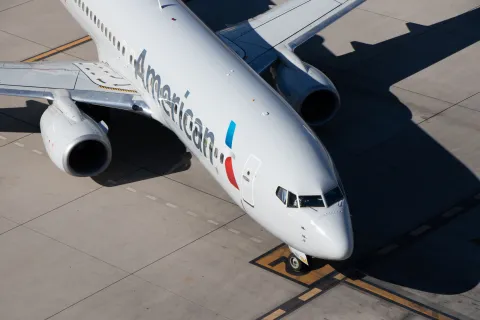
American Airlines says persistently high fuel prices may force further capacity changes, while United Airlines has cut capacity roughly 5% and Southwest Airlines has modified schedules.
Southwest, United seek older software on new 737 MAX jets
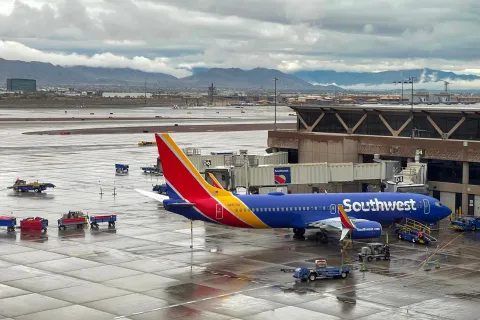
Southwest and United want earlier software on new 737 MAX deliveries as the FAA reviews a glitch that can block automated guidance after a missed approach if pilots alter the flight path.
American Led Bag Mishandling Rates on Reportable Domestic Flights in Early 2026
For January through June 2026, the DOT data covers checked bags in airline custody on reportable domestic nonstop scheduled passenger flights; mishandled includes lost, delayed, damaged or pilfered bags.

About the Author

Bob Vidra
Bob Vidra is News Editor at Jetsetter Guide, covering airlines, airports and the travel industry since 2023.