Stay current with our travel events coverage.
HARARE, Zimbabwe — American consular windows in Zimbabwe have temporarily gone dark, and the ripple effects could reach well beyond Harare’s bustling airport. Beginning Friday, the United States stopped processing nearly all routine visa applications for Zimbabwean citizens, a sudden move that adds another layer to Washington’s sweeping immigration crack-down on multiple African nations.
What the U.S. suspension means for Zimbabwean travelers
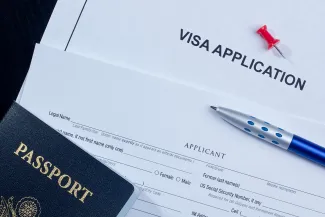
The U.S. Embassy announced that it will “pause all routine visa services” until further notice while officials “address concerns with the Government of Zimbabwe.” In practical terms, Zimbabweans hoping to secure fresh tourist, student or business visas will find application slots closed, interviews canceled and previously filed paperwork on hold. Officials have stressed that the freeze is temporary, but no end date was provided. Diplomatic and certain official categories remain exempt, allowing Zimbabwean government personnel, United Nations staffers and some humanitarian workers to continue applying. Anyone who already holds a valid U.S. visa can still board flights—provided Zimbabwe’s own exit controls and the airline’s verification desk give the green light.
Checks before you fly
1. Valid visa in an undamaged passport. 2. Proof of timely departures on previous U.S. trips, if any. 3. Copies of embassy confirmation emails showing your interview was completed before the pause. 4. Flexible ticketing in case additional scrutiny causes delay at the port of entry. Travelers with urgent humanitarian needs can request an emergency appointment through the embassy’s consular email. These slots are extremely limited and granted only for medical evacuations, immediate family funerals or life-or-death circumstances.
New bond requirement for Malawi and Zambia visitors
The Zimbabwe decision landed only days after the State Department rolled out a pilot bond program for neighboring Malawi and Zambia. Under that scheme, applicants for B-1/B-2 tourist or business visas must post a refundable surety of $5,000, $10,000 or $15,000. The figure is set case-by-case and forfeited if the traveler overstays. Applicants must also agree to enter and depart through one of three U.S. airports—Boston’s Logan International Airport, New York’s JFK International Airport or Washington-area Dulles International Airport. The pilot begins Aug. 20 and is scheduled to run for six months unless renewed. “In a statement, the State Department said the bond is intended to discourage overstays and ‘uphold the highest standards of national security and public safety.’”
How the bond actually works
• The money is typically paid via cashier’s check or electronic transfer to a U.S. government escrow account. • Upon timely departure, travelers submit airline exit records to claim a refund; processing can take several weeks. • If a traveler changes status inside the United States—say, by taking up study—the bond is held until the new status is adjudicated. • Overstaying even one day voids the refund.
Context: broader U.S. travel restrictions on Africa
The Trump administration placed bans on citizens from 12 countries in June, seven of them on the African continent. Heightened restrictions were applied to seven additional nations, three also African. Separately, Washington has demanded that 36 countries, including Zimbabwe, Malawi and Zambia, tighten identification standards, improve biometric data sharing and cooperate in repatriating nationals who violate U.S. immigration laws. Failure to meet those benchmarks can trigger fines, visa category suspensions or full entry bans. Immigration attorneys note that the bond program is likely a “pressure lever” designed to push governments into compliance without imposing a blanket ban that could hamper trade or diplomatic ties.
Tips for Travelers
- Check embassy alerts daily. Consular updates often appear with little notice; bookmark the U.S. Embassy Harare website and its verified social feeds.
- Maintain strong documentation. Keep copies of bank statements, employer letters and itinerary details; future visa interviews may ask for extra proof to offset heightened scrutiny.
- Use authorized travel agents. Scam artists often surface during service suspensions, promising “back-door” appointments. The U.S. Embassy recognizes no third-party facilitators.
- Factor in processing lags. Even after the pause lifts, backlog clearing could stretch wait times to several months. Adjust semester start dates or business launch plans accordingly.
- Track bond refunds. If you are Malawian or Zambian, keep digital and paper copies of every bond transaction to speed reimbursement.
FAQ
Is the Zimbabwe visa halt a full travel ban?
No. Zimbabweans who already hold valid visas may still travel. The measure stops new routine processing; emergency, diplomatic and official categories remain open.
Can I apply at another U.S. Embassy in the region?
Technically, third-country applications are allowed. However, many embassies prioritize residents of their own districts and may deny appointments to nonresidents during peak periods.
Will the bond program expand to other countries?
The State Department has not ruled out broader implementation. Performance during the Aug. 20 pilot—measured by overstay rates and administrative feasibility—will guide future decisions.
What happens if my U.S. trip is date-sensitive?
Students with I-20 forms or businesspeople facing contract deadlines should contact their U.S. hosts for possible deferrals. Some universities may defer admission; corporate sponsors can sometimes convert meetings to virtual formats.
Regional impact on tourism and business
Zimbabwe’s outbound travel sector had just begun to rebound after pandemic-era flight suspensions. Travel agents in Harare say U.S.-bound bookings account for a modest but lucrative slice, especially among students heading to fall semesters and entrepreneurs attending trade shows. Suspension of routine visas threatens to stall that revenue stream. Airlines could also feel a pinch. Zimbabwean travelers often route through Johannesburg or Addis Ababa to reach U.S. hubs. A drop in visa issuance may translate into lower load factors on those long-haul legs. For Malawi and Zambia, the new bond could deter small-scale traders who typically make short purchasing trips to the United States. Paying $5,000 or more up front ties up capital that might otherwise fund inventory.
What to watch next
Resolution of “concerns with the Government of Zimbabwe” will likely determine the pause’s duration. Analysts say these concerns may involve passport security features, deportation cooperation or data-sharing agreements. Early metrics from the bond pilot—overstay numbers, refund processing times and traveler feedback—will influence whether the policy is extended or copied elsewhere. The outcome of wider immigration debates in Washington could accelerate, dilute or cancel current measures. Pending litigation against other travel restrictions may have spillover effects. For now, Zimbabwean citizens planning to study, tour or conduct business in the United States face a waiting game whose length remains unknown. Malawian and Zambian applicants must weigh whether the cost of a refundable but still hefty bond fits within their travel budgets. Across Southern Africa, would-be visitors are recalibrating itineraries, exploring alternative destinations or opting for virtual engagements until clarity returns to the U.S. visa landscape. — as the State Department said in a prepared statement.
More travel news
U.S. Customs and Border Protection to End Routine Passport Stamps
CBP announced routine passport stamping will end during primary inspection, with limited exceptions; foreign visitors can access admission and authorized-stay details through I-94 or CBP Link.
United Flight Attendants Can Refuse ICE Questions
Washington, United States - United flight attendants were told they may remain silent when ICE asks about passengers or coworkers as airport arrests increase nationwide.
Airlines Put Elite Status on a Higher Price Tag
NEW YORK, United States - Delta, United and other major airlines are raising elite status hurdles, leaving frequent flyers on discounted fares with less credit.

Carnival Rewards Sets Sail With Spending Based Status
Carnival Rewards ties cruise status to eligible spending while keeping separate recognition for lifetime sailing days.
About the Author

Wilson Montgomery
Wilson Montgomery is a Travel Writer at Jetsetter Guide covering Africa and safari travel.