Stay current with our travel events coverage.
Spain Warns Eclipse Tourists as Wildfire Risk Peaks
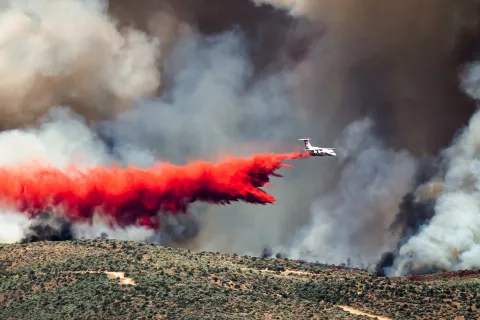
MADRID, Spain - Spanish authorities are urging extreme caution to prevent wildfires as nearly 500,000 tourists prepare to travel to see a total solar eclipse on Wednesday, August 12, with up to 1.5 million journeys expected to areas where the eclipse will be fully visible, according to Reuters. The warning comes as Spain experiences an extraordinary wildfire season. Since the start of 2026, almost 2,000 square kilometers in Spain have been affected by fires, six times more than in 2025, Reuters reported. Spain has experienced 40 major forest fires so far in 2026, compared to 15 at the same time in 2025. Campsites across Spain are at near peak capacity, with northern cities almost fully booked. Aragon, where the eclipse will be fully visible, is expecting around 15,000 people to camp overnight in four official spots prepared against wildfires, according to Reuters.Fire Conditions Converge With Mass Tourism
"There is a huge amount of dry vegetation, the humidity levels are low, and so we must prevent these fires from starting," said Sara Aagesen, Deputy Prime Minister and Minister for Ecological Transition at Spanish government, according to Reuters. Guardia Civil recommends planning journeys in advance, checking official websites, and avoiding parking on dry vegetation as hot cars pose fire hazards, Reuters reported. The practical concern is simple: hundreds of thousands of visitors, many unfamiliar with local conditions, arriving in remote rural areas during peak fire danger. A wildfire in Niebla, Huelva has already burned 200 square kilometers of land, according to Reuters. The Spanish government will pay for 50 percent of restoration expenses for the Huelva wildfire. "This also depends on the behaviour of each and every one of us who are going to enjoy this historic moment," Aagesen said, according to Reuters.Eclipse Draws Record Crowds to Fire Zones
The August 12 eclipse is the first total solar eclipse visible from mainland Spain in more than a century, a fact not lost on tourism officials or emergency planners. The path of totality crosses northern Spain and the Balearic Islands, placing the highest-demand viewing areas squarely in regions already experiencing very high or extreme fire danger. Democrata reported that AEMET, Spain's meteorological agency, warned that "the Forest Fire Danger Index, the IPIF, will reach very high or extreme levels in most of the Peninsula and Baleares on August 12." 20 Minutos reported that AEMET cautioned "the fire danger is very high or extreme for August 12 in many areas where the eclipse will be fully visible." Balearic authorities planned around 200 forest firefighters and environmental officers for August 12 to reduce wildfire risk during the eclipse, according to Reuters.Smoke Could Degrade Viewing Conditions
Even if fires are contained, visibility remains a concern. "The wildfire will likely affect both visibility and air quality for eclipse viewers in the country," said Becky Wagner, air quality and climate researcher at the University of Sheffield, as quoted by TIME. Reuters video on August 9 showed firefighters battling a wildfire in eastern Spain's Castellon region and evacuating around 700 people in Cati. Reuters reported on August 10 that a southern Spain wildfire was burning beyond firefighters' ability to extinguish it because of hot, windy weather. Aagesen described "the gravity and complexity of what we are experiencing in our country – an extraordinary situation, one that warrants this joint effort, this spirit of maximum collaboration that we need," according to Reuters. She called for "a national pact or a pact in the face of a climate emergency" and warned that the climate emergency "is striking with ever-greater force."The Risk Calculus for Wednesday
This is not a theoretical problem. The eclipse falls on a day when conditions are expected to be at their worst, crowds will be at their highest, and emergency resources will be stretched thin across multiple regions. Travelers heading to northern Spain or the Balearics need to understand that the wildfire danger is not background noise; it is the dominant operational reality on the ground. If you are planning to view the eclipse from a rural area, official campsites are the only responsible option. Parking on dry grass, using open flame, or camping outside designated areas is not just prohibited, it is reckless. Hot exhaust systems alone can ignite dry vegetation. The Guardia Civil's recommendation to plan journeys in advance and check official websites is not bureaucratic boilerplate; it is essential intelligence for navigating an environment under extreme stress. Smoke is a wildcard. Even if your viewing location is not directly threatened by fire, smoke from active fires in Huelva, Castellon, or elsewhere could drift into totality zones and degrade visibility. Wagner's warning about air quality is equally relevant for photographers and anyone with respiratory sensitivities. If smoke is present, even partial obscuration can ruin what should be a once-in-a-lifetime event. The eclipse will happen regardless of conditions, but whether you can see it clearly, access your preferred viewing site, or avoid contributing to a worsening emergency depends on preparation, restraint, and a realistic assessment of what Spain is facing right now. This is not the year to improvise.More travel news
Italy and Spain Extend Reciprocal Border Checks
Passengers arriving in Italy from Spain may face random airport and seaport checks for 15 more days, while those entering Spain from Italy face checks through Oct. 8.

Iceland Eclipse Boom Tests Tourism Infrastructure
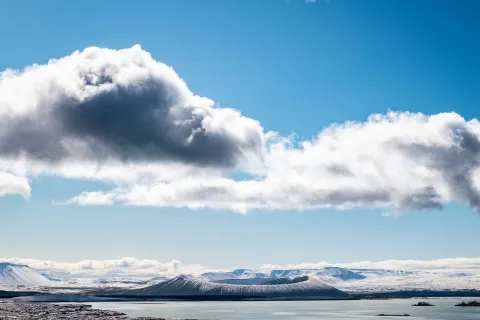
REYKJANESBAER, Iceland - Hotels near capacity and tight flight availability threaten to cap eclipse demand as western Iceland prepares for the first totality visible from the island in 72 years.
Windstar Unveils Spain Mystery Cruise with Port Clues
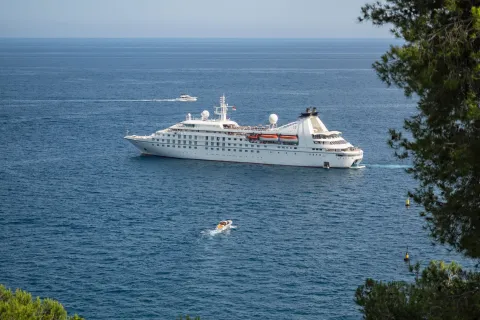
Barcelona, Spain – Windstar Cruises has announced two new Mystery Cruises for 2027, sailing to Northern Europe and Japan, alongside a Spanish coastal voyage in November 2026 where travelers discover each port just days before arrival.
Canada Issues Spain Crime Alert During Peak Tourist Season
OTTAWA, Canada - The Canadian government has issued updated travel warnings for Spain during peak summer season, highlighting violent crime risks and dangerous activities in the popular European destination.

About the Author

Jeff Colhoun
Jeff Colhoun is a photographer and filmmaker whose work has appeared in The Wall Street Journal, the Los Angeles Times, Matador Network and Barron’s.