Stay current with our travel events coverage.
MADRID, Spain - There's a particular kind of chaos that happens in hostel common rooms when everyone realizes simultaneously that the thing they packed for is not the thing that's happening. I've watched it play out in monsoons, cold snaps, and unexpected festival closures. Now Spain's backpackers and budget travelers are getting a crash course in it as temperatures spike weeks earlier than anyone planned for.
Spain's state weather service issued early heat warnings on June 6, 2026, as tourism hotspots from Andalusia to the Mediterranean Coast experience unusually high temperatures, according to Travel and Tour World. The warnings cover popular visitor regions across the country as summer approaches.
When Your Itinerary Meets Reality
Anyone who's spent time moving through Spain in what's supposed to be shoulder season knows the drill: pleasant coastal walks, manageable city exploration, rooftop beers that don't require strategic shade planning. That calculus just changed. The kind of heat that usually shows up mid-July is arriving in early June, which means thousands of travelers currently working their way through Barcelona hostels or Seville walking tours are suddenly dealing with conditions they didn't budget for, pack for, or mentally prepare for.
This isn't just an inconvenience. For backpackers staying in older hostels without air conditioning (which is most of them in historic districts), for digital nomads who planned to work from sunny plazas, for solo travelers banking on long exploration days to justify their per-diem budgets, early extreme heat fundamentally alters the trip economics and logistics.
The Real Cost of Unexpected Weather
Here's what doesn't show up in weather warnings but absolutely shows up in your bank account: air-conditioned accommodations cost more. Midday breaks in cafés add up. That free walking tour you planned for 2 p.m.? You'll either suffer through it or skip it entirely and lose the tip you would've paid. Sun protection you didn't bring from home costs triple in tourist zones. The bottled water alone can wreck a tight daily budget.
I've watched travelers in Central America make these calculations a hundred times, weighing whether to upgrade from a fan room to AC, whether to blow the food budget on a properly cold place to sit for three hours. Spain's infrastructure handles heat better than most places, but budget options in historic centers were built for different centuries and different climate patterns.
Adapting on the Fly
The travelers who do well in situations like this are the ones who ditch the Instagram itinerary immediately. Early mornings become sacred. That 6 a.m. alarm you've been snoozing through your entire trip suddenly makes sense when it means exploring Alhambra before the heat sets in. Siestas stop being a cultural novelty and become survival strategy. Evening plans stretch later because the city actually becomes pleasant again after 9 p.m.
Coastal destinations have an obvious advantage here, but they also see the fastest price adjustments when everyone has the same idea simultaneously. If you're mobile and your plans are loose, this is when you pivot toward mountain towns, northern regions, or just accept that you're going to move slower and see less than you planned. That's not failure. That's responding to conditions as they actually exist rather than as you wished they would.
What Travelers Should Actually Do
If you're currently in Spain or headed there soon, the move is pretty straightforward: front-load your days aggressively, build in real midday breaks (not the 20-minute kind, the three-hour kind), and stop pretending you're going to maintain the same pace you would in April. Check if your accommodation has AC before you arrive, not after. If it doesn't and you can afford to switch, do it now before everyone else figures out the same thing and availability disappears.
For those still planning trips, this is a reminder that climate patterns aren't holding to old schedules anymore. What used to be predictably mild in early June might not be. Pack sun protection regardless of what travel forums from three years ago told you. Budget extra for temperature management, whether that's upgraded rooms, transportation to cooler areas, or the simple reality of consuming more water and seeking more shade than you anticipated.
The travelers who've spent time in genuinely hot climates already know this, but if your reference point is northern Europe or you're counting on Spain to be your gentle introduction to warm-weather travel, adjust expectations now. Heat changes everything about how you move through a place: your energy levels, your timeline, your patience, your budget. The sooner you accept that and plan around it rather than against it, the less miserable you'll be.
Spain isn't going anywhere. The Sagrada Familia will still be there at 7 a.m. or 8 p.m. The beach works just as well at sunset. What doesn't work is stubbornly pushing through midday heat because that's when you planned to do something. Flexibility isn't just a nice-to-have in long-term travel; sometimes it's the whole point.
More travel news
Italy and Spain Extend Reciprocal Border Checks
Passengers arriving in Italy from Spain may face random airport and seaport checks for 15 more days, while those entering Spain from Italy face checks through Oct. 8.

Spain Warns Eclipse Chasers as Wildfire Danger Soars
MADRID, Spain - Authorities urge travelers heading to see Wednesday's total solar eclipse to avoid sparking wildfires as nearly half a million visitors converge on dry, fire-prone regions already scorched by a record season.
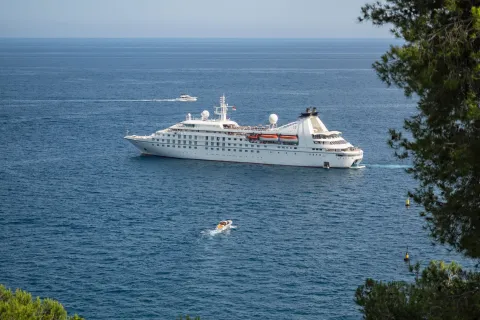
Windstar Unveils Spain Mystery Cruise with Port Clues
Barcelona, Spain – Windstar Cruises has announced two new Mystery Cruises for 2027, sailing to Northern Europe and Japan, alongside a Spanish coastal voyage in November 2026 where travelers discover each port just days before arrival.
Canada Issues Spain Crime Alert During Peak Tourist Season
OTTAWA, Canada - The Canadian government has issued updated travel warnings for Spain during peak summer season, highlighting violent crime risks and dangerous activities in the popular European destination.

About the Author

Mariana Torres
Mariana Torres is South America Editor at Jetsetter Guide, covering backpacking and off-the-beaten-path travel in the Andes and the Amazon.