Stay current with our travel events coverage.
YELLOWSTONE NATIONAL PARK - The viral videos keep coming. Yellowstone National Park visitors, many with children in tow, continue to approach bison, elk, and bears at distances that violate park rules and put themselves in range of animals that can kill. The behavior has become so routine online that it has earned a nickname: tourons, a mashup of tourists and morons. The term is crude, but the safety risk is documented and persistent. According to BBC, several social media accounts regularly post clips of park visitors ignoring wildlife-distance rules. These videos often show adults and children standing within feet of animals that can weigh over a ton, charge at high speed, and cause severe or fatal injuries.
What the Park Service Rules Actually Say
Yellowstone's official guidance is unambiguous. Visitors are told to stay at least 100 yards away, about eight bus lengths, from bears, wolves, and cougars, and at least 25 yards, about three bus lengths, from other wildlife, including bison and elk, according to the National Park Service. The park's safety materials note that "burns from thermal features are a common cause of serious injury and death in the park," according to the National Park Service. USGS data shows that around 20 people have died due to some sort of interaction with park thermal areas since the late 1800s. Yellowstone was established in 1872 and is widely regarded as the world's first national park, spanning roughly 2.2 million acres across Wyoming, Montana, and Idaho. The park now draws 4 to 5 million visitors annually, creating a large pool of people who may be unfamiliar with wildlife behavior or underestimate the risks.
Bison Are Not Docile
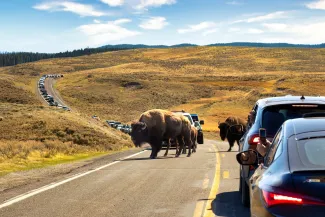
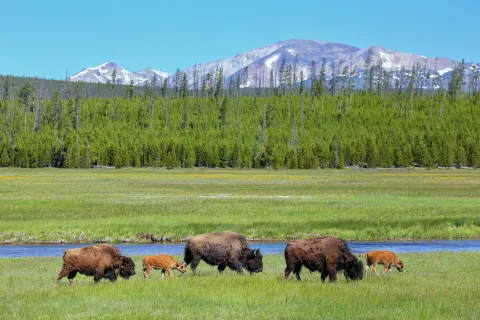
Bison are among the most frequently approached animals in Yellowstone, in part because they often graze near roads and boardwalks and may appear calm. According to BBC, bison populations have rebounded to more than 20,000 free-ranging animals today. Male bison can be over 6 feet tall and 11 feet long, with an average weight range between 700 and 2,200 pounds. These are not slow, passive creatures. Bison can pivot and charge with little warning, and incidents resulting in injury or death are documented regularly. A June 26 Yellowstone news release reported a 12-year-old visitor injured by a bison. Incident reports show that park officials regularly document wildlife-related events, including bear encounters. The online documentation of reckless behavior serves a dual purpose: it mocks the visitors involved, but it also acts as a distributed public-service warning. The term touron itself functions as shorthand for a recurring problem that no amount of signage, ranger presence, or viral shaming seems to fully solve.
Why This Keeps Happening
Yellowstone's challenge is not unique, but it is acute. The park combines high visitation, iconic megafauna that photograph well, and thermal features that look like Instagram backdrops but can cause fatal burns. The result is a steady stream of visitors who treat the landscape as a theme park rather than a wilderness with real consequences. Social media amplifies the visibility of these incidents, but it also raises a question: does public ridicule deter bad behavior, or does it normalize it by turning reckless tourists into content? Either way, the footage keeps surfacing, and the pattern persists. For travelers planning a trip to Yellowstone, the message is clear and unchanged. The animals are wild, not tame. The thermal features are dangerous, not decorative. The rules exist because people have died. Stay at least 25 yards from bison, elk, and other large animals, and 100 yards from bears and wolves, according to the National Park Service. Stay on boardwalks in thermal areas. Follow ranger instructions. The park's wildlife and geothermal features are among the most remarkable in the world. They are also unforgiving. The choice to respect that reality or ignore it has predictable outcomes, and those outcomes are increasingly documented in real time by the same people who are there to witness the landscape, not rescue operations.
More travel news
United Unveils Boston to Jackson Hole Ski Nonstop
BOSTON, United States - United Airlines is adding a short-run nonstop to Jackson Hole, giving New England skiers a direct flight during the core 2026-27 winter season.
Yellowstone Tops Rocky Mountain Parks With 4.76M Visitors
ROCKY MOUNTAINS, North America - Five iconic parks along the 3,000-mile mountain chain welcomed record crowds in 2025, from Wyoming's thermal features to Alberta's alpine wilderness.
Yellowstone's Freak June Snowstorm Shuts Roads
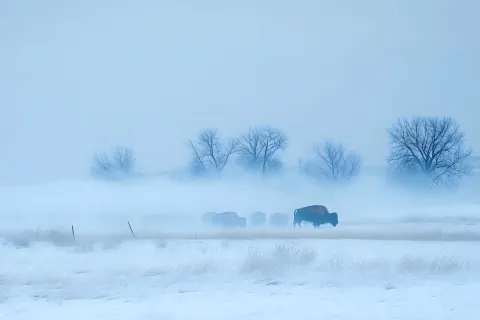
YELLOWSTONE NATIONAL PARK, Wyo. - Rare summer snow shuttered high-elevation roads in America's oldest national park just before the July 4 weekend, catching visitors off guard.
Tetons Become Your Wellness Sanctuary This Summer
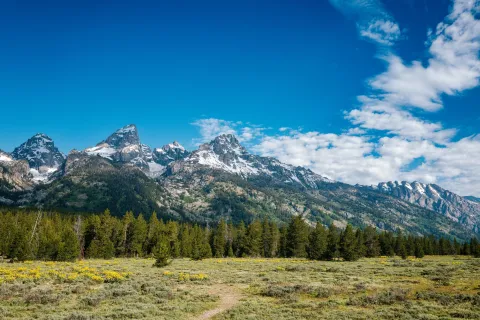
Jackson Hole, Wyoming - Four Seasons Resort and Residences Jackson Hole launches curated summer wellness experiences that harness the Teton Range's natural majesty to foster balance and renewal.
About the Author

Jeff Colhoun
Jeff Colhoun is a photographer and filmmaker whose work has appeared in The Wall Street Journal, the Los Angeles Times, Matador Network and Barron’s.