Stay current with our airline news coverage.
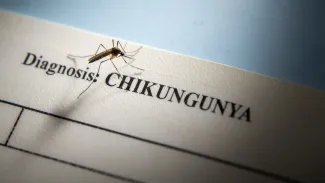
VICTORIA, Seychelles — The CDC issued a Level 2 travel health notice for Seychelles on February 5, 2026, as chikungunya cases climb across the island nation. The advisory doesn't tell Americans to stay home, but it does carry a clear message: if you're heading to this high-end island chain north of Madagascar, you need to take mosquito protection seriously. Chikungunya cases have been rising nationwide since mid-December 2025, according to the Seychelles Ministry of Health. That timing aligns with the rainy season, which runs November through March and creates ideal breeding conditions for Aedes mosquitoes, the species that transmits the virus. Two German travelers tested PCR-positive after visiting Mahé and La Digue in January 2026, confirming the outbreak is reaching tourists, not just locals. This isn't isolated. The broader Indian Ocean region is seeing sustained transmission. La Réunion reported 54,517 cases and 40 deaths in 2025 alone. Mauritius logged 26 cases by April 2025. Between December 2025 and January 2026, health authorities confirmed nine cases and identified four probable infections across the Western Indian Ocean basin. Global numbers from January through September 2025 show 445,271 suspected or confirmed cases and 155 deaths worldwide. The virus is moving, and island destinations in tropical zones are vulnerable.
What Travelers Need to Know About Chikungunya
Chikungunya is a viral illness transmitted by Aedes aegypti and Aedes albopictus mosquitoes, the same species that spread dengue and Zika. Symptoms include sudden fever, severe joint pain, headache, muscle pain, joint swelling, and rash. The joint pain can be debilitating and persist for weeks or months, even after the fever resolves. There is no vaccine. There is no specific antiviral treatment. Management is supportive: rest, fluids, over-the-counter pain relief. The name comes from a word in the Kimakonde language meaning "to become contorted," a reference to the stooped posture some patients adopt due to severe joint pain. It's not subtle. If you get it, you'll know. Most people recover, but newborns, adults over 65, and those with underlying medical conditions face higher risk of complications. Pregnant women can transmit the virus to newborns during delivery, and neonatal chikungunya can be severe. For older travelers or those managing chronic health issues, the risk calculation changes. A week of debilitating joint pain in a remote island setting is not the same as managing symptoms at home with easy access to care.
CDC Guidance and Practical Prevention
The Level 2 advisory means enhanced precautions, not a travel ban. The CDC recommends using insect repellent, wearing long-sleeved shirts and pants, and staying in places with air conditioning or screened windows and doors, according to TravelPulse. Those measures sound basic, but they matter. Aedes mosquitoes are daytime biters, most active in early morning and late afternoon. That's prime time for beach walks, resort excursions, and outdoor dining. Standard evening mosquito routines won't cut it here. You need protection during daylight hours. Use EPA-registered repellents containing DEET, picaridin, IR3535, oil of lemon eucalyptus, para-menthane-diol, or 2-undecanone. Reapply as directed. Treat clothing and gear with permethrin. Choose accommodations with air conditioning or intact window screens. If you're staying in open-air bungalows or beachfront villas without screens, bring a mosquito net and use it.
Regional Context and Historical Precedent
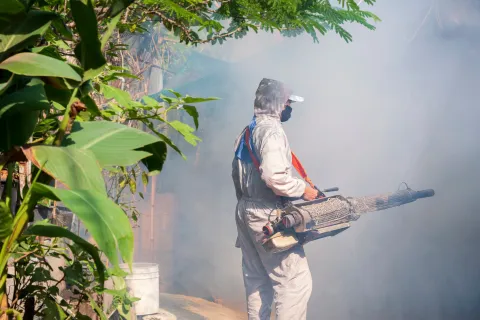
This outbreak echoes the 2005-2006 chikungunya epidemic that swept the Indian Ocean. During that event, La Réunion alone reported 264,000 cases. The virus spread rapidly through island populations with little prior exposure and high mosquito density. Seychelles was part of that regional transmission corridor then, and the current case pattern suggests similar dynamics at play now. The rainy season creates standing water in gutters, discarded containers, plant pots, and natural depressions. Aedes mosquitoes don't need much; a bottle cap of water is enough for larvae to develop. Tourism infrastructure, particularly in developing island settings, often includes landscaping, water features, and outdoor spaces that inadvertently support mosquito breeding. Even high-end resorts are not immune if drainage is poor or maintenance lapses.
What This Means for Travelers
Seychelles is a luxury destination, popular for honeymoons, diving, and remote beach escapes. It's expensive to reach and expensive once you're there. Most visitors are not backpacking through hostels; they're staying in resorts that cost hundreds or thousands of dollars per night. An outbreak that sends you to bed with fever and joint pain for a week is not just a health issue, it's a financial loss and a ruined trip. Travel insurance policies vary in coverage for illness abroad. Some cover medical evacuation, some don't. Some cover trip interruption, some exclude communicable disease outbreaks if advisories were in place before booking. Read your policy. If you're traveling soon and the CDC advisory is already active, your coverage may be limited. For photographers, expedition travelers, or anyone planning outdoor work in Seychelles, factor in the risk of losing mobility. Severe joint pain can make it difficult to carry camera gear, hike trails, or operate boats. If your itinerary depends on physical activity, consider the impact of a week or more of limited movement.
Border and Entry Policies
Seychelles has not imposed entry restrictions related to the outbreak, and the U.S. advisory does not prohibit travel. This is a health notice, not a security warning. You can still go. The question is whether you're prepared to manage the risk. Check with your airline and accommodations about cancellation or rescheduling policies. Some carriers and hotels are offering flexibility for travelers concerned about outbreaks, but that's not universal. If you're risk-averse or traveling with vulnerable family members, pushing the trip to a later season may be worth considering. The outbreak will likely persist through the rainy season. Case numbers could stabilize or climb depending on mosquito control efforts and weather patterns. Monitor CDC updates and local health reports before departure.
More travel news
CDC warns travelers as chikungunya spreads in Costa Rica
SAN JOSE, Costa Rica - Americans heading to Costa Rica's Pacific coast face a new mosquito-borne disease risk as the CDC warns of a confirmed chikungunya outbreak in one of the country's most visited beach regions.
CDC Warns Travelers About Dengue Risk in 16 Nations
ATLANTA, United States — CDC alerts travelers to heightened dengue fever risk across 16 countries following global surge in mosquito-borne infections.
CDC Warns Travelers of Dengue Surge in 11 Nations
ATLANTA, United States — The CDC's updated Global Dengue Travel Health Notice flags Afghanistan, Bangladesh, Colombia, and eight other nations with rising dengue activity as U.S. travelers face renewed risk in tropical corridors.

MH370 Search Relaunches Over a Decade After Vanishing
KUALA LUMPUR, Malaysia — Malaysia has restarted the hunt for Flight 370, the aircraft that disappeared over the Indian Ocean in 2014, reigniting hope for answers in aviation's most baffling mystery.

About the Author

Jeff Colhoun
Jeff Colhoun is an acclaimed travel writer, photographer, and filmmaker, whose work is respected both in the United States and internationally.