Stay current with our cruise news coverage.
What the Level 1 Warning Means
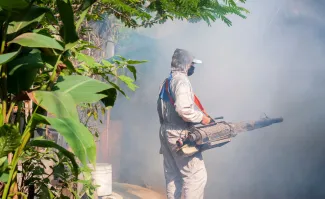
The CDC's Level 1 designation sits at the lowest tier of its four-level travel health notice system, but that shouldn't be mistaken for insignificance. It signals that travelers should take standard precautions and stay informed about specific health risks present in their destination. In this case, the warning centers on dengue fever, a mosquito-borne viral illness that ranges from flu-like symptoms to life-threatening complications including internal bleeding, organ failure, shock, and death in severe cases. For travelers accustomed to advisories focused on political instability or crime, a health warning tied to infectious disease requires a different preparedness mindset. Dengue doesn't respect resort boundaries or expedition itineraries. The Aedes mosquitoes that transmit it are most active during daylight hours, particularly early morning and late afternoon, meaning standard evening-only mosquito protocols won't cut it.Which Countries Are Affected
The CDC's warning encompasses a geographically diverse set of 16 countries spanning South Asia, the Caribbean, Central America, South America, and the Pacific. The list includes Afghanistan, Bangladesh, Bolivia, Colombia, and the Cook Islands, among others. This spread reflects dengue's adaptability; the virus thrives wherever its mosquito vectors find suitable breeding conditions, whether in urban drainage systems, rural water storage containers, or tropical coastal zones. Each of these destinations presents distinct travel profiles. Colombia attracts adventure travelers and photographers drawn to its cloud forests and Caribbean coastline. Bolivia's high-altitude capital may offer some protection, but lowland regions like the Amazon basin remain prime dengue territory. The Cook Islands represent a less obvious inclusion on many travelers' risk radar, yet the Pacific has seen its share of dengue outbreaks tied to seasonal rainfall and warming patterns. Afghanistan's presence on the list underscores how health risks layer onto already complex security environments. Travelers working in humanitarian, journalistic, or development sectors there now face compounded considerations.The Global Context Behind the Warning
The CDC advisory doesn't exist in isolation. It follows what the agency describes as a rise in dengue activity worldwide and higher-than-expected transmission rates in multiple regions. Climate patterns, urbanization, and global connectivity all contribute to dengue's expanding footprint. Warmer temperatures extend mosquito breeding seasons and push the disease into previously unaffected altitudes and latitudes. For expedition cruise operators working Caribbean and Central American itineraries, dengue presents logistical and duty-of-care challenges. Shore excursions that involve jungle hikes, village visits, or wildlife observation now require enhanced pre-departure briefings and access to appropriate repellents. Photography assignments in affected zones demand similar preparation; spending hours stationary near water sources or in dense vegetation increases exposure.Practical Implications for Travelers
Dengue prevention hinges on avoiding mosquito bites, which sounds straightforward but demands consistent discipline. Standard measures include using EPA-registered insect repellents containing DEET, picaridin, or oil of lemon eucalyptus; wearing long sleeves and pants treated with permethrin; and staying in accommodations with air conditioning or intact window screens. Unlike malaria, there's no widely available prophylactic medication for dengue, though a vaccine exists for individuals with prior dengue infection in select endemic countries. First-time visitors to affected regions can't rely on pharmaceutical prevention. This makes physical barriers and repellents the primary defense. Travelers should also understand dengue's clinical progression. Initial symptoms resemble flu: high fever, severe headache, pain behind the eyes, joint and muscle pain, rash, and mild bleeding. Most cases resolve within a week, but a small percentage progress to severe dengue, where vascular permeability increases and patients can rapidly deteriorate. Recognizing early warning signs and seeking medical care before severe complications develop can be lifesaving.What This Means for Trip Planning
A Level 1 warning doesn't suggest canceling travel, but it does require informed decision-making. Travelers with compromised immune systems, pregnant women, and those with prior dengue infections face elevated risks. Expedition teams should confirm their medical evacuation insurance covers dengue-related complications and verify that field medics or ship medical staff can recognize and manage early-stage cases. Tourism boards in affected countries will likely issue their own guidance emphasizing that dengue risk doesn't blanket entire nations uniformly. Capital cities with robust mosquito control programs may present lower risk than rural areas with standing water and limited public health infrastructure. Travelers should consult destination-specific intelligence rather than painting entire countries with a single risk brush. For photographers and journalists working in these zones, dengue becomes another operational variable alongside weather, logistics, and security. It's worth building extra buffer days into assignments in case illness strikes, and carrying documentation of any dengue history for medical providers who may treat you abroad.The Bottom Line
The CDC's March 23 advisory reflects a tangible shift in dengue epidemiology that travelers ignore at their own peril. Level 1 warnings don't make headlines like Level 3 or 4 alerts, but they signal real risks that shape trip outcomes. With dengue cases climbing globally, the 16-country list may expand as the year progresses. Travelers heading to affected destinations should integrate mosquito avoidance into their planning with the same rigor they apply to visa requirements and weather forecasts.More travel news
U.S. Customs and Border Protection to End Routine Passport Stamps
CBP announced routine passport stamping will end during primary inspection, with limited exceptions; foreign visitors can access admission and authorized-stay details through I-94 or CBP Link.

United Flight Attendants Can Refuse ICE Questions
Washington, United States - United flight attendants were told they may remain silent when ICE asks about passengers or coworkers as airport arrests increase nationwide.

Airlines Put Elite Status on a Higher Price Tag
NEW YORK, United States - Delta, United and other major airlines are raising elite status hurdles, leaving frequent flyers on discounted fares with less credit.

Carnival Rewards Sets Sail With Spending Based Status
Carnival Rewards ties cruise status to eligible spending while keeping separate recognition for lifetime sailing days.

About the Author
Jeff Colhoun
Jeff Colhoun is a photographer and filmmaker whose work has appeared in The Wall Street Journal, the Los Angeles Times, Matador Network and Barron’s.