Stay current with our airline news coverage.
What Chikungunya Means for Travelers
Chikungunya is transmitted by Aedes aegypti and Aedes albopictus mosquitoes, the same species that carry dengue and Zika. Symptoms typically appear three to seven days after a bite and include sudden high fever, severe joint pain, rash, headache, and muscle pain, according to Pharmtrip. There is no specific antiviral treatment for the virus, and while the global death rate sits at roughly 1 in 1,000 symptomatic cases, joint pain can persist for weeks or months after the initial illness. The CDC's Level 2 designation falls between routine precautions and a warning to avoid nonessential travel. It means Americans are not being told to cancel trips, but they are being directed to take active steps to prevent mosquito bites: use EPA-registered insect repellent, wear long sleeves and pants when possible, and stay in air-conditioned or screened accommodations, according to World Travel Care. The advisory directs visitors to practice enhanced precautions to mitigate the risk of infection, according to reporting by Linxi News. The U.S. State Department already classifies Costa Rica as Level 2 for general travel, citing increased caution due to crime, and lists dengue, Zika, chikungunya, and malaria as prevalent diseases in the country. The department recommends insect repellent and standard mosquito-avoidance measures for all travelers.Guanacaste's Tourism Dependence and Disease Risk
The outbreak poses a direct challenge to a region that relies heavily on U.S. tourism dollars. Guanacaste Province is home to some of Costa Rica's most visited beach towns and resort developments, and Playa Langosta sits adjacent to the larger tourist hub of Tamarindo. An active chikungunya outbreak in this corridor intersects with peak North American winter travel season, when flights and accommodations in the area run at or near capacity. Costa Rica's Ministry of Health declared the Playa Langosta outbreak active on July 1, confirming that the virus is circulating in the local mosquito population and not simply being imported by infected travelers. That designation signals a shift from isolated cases to sustained local transmission, a threshold that triggers both national surveillance efforts and international travel health notices. Broader regional data underscores the scope of chikungunya's resurgence. As of February 28, 2026, the European Centre for Disease Prevention and Control recorded 32,758 chikungunya cases and 9 deaths across at least 18 countries, according to Outbreak News Today. The disease has returned to parts of the Americas where it had been absent or under control for years, driven by favorable conditions for Aedes mosquitoes and gaps in vector control infrastructure.The Risk Calculus for Travelers Right Now
This outbreak tests how clearly U.S. agencies and local governments communicate evolving health risks in destinations that depend on tourism revenue. The CDC's Level 2 notice is explicit about the need for enhanced precautions, but it stops short of discouraging travel. That middle ground reflects both the agency's assessment of actual risk and the political and economic sensitivities around issuing advisories for major tourist markets. For travelers with bookings in Guanacaste, the practical calculus hinges on timing, activities, and personal health factors. Pregnant women, older adults, and people with pre-existing joint conditions face higher risks from chikungunya complications. Beach vacations that involve significant time outdoors, especially during dawn and dusk when Aedes mosquitoes are most active, carry more exposure than stays in fully screened or air-conditioned resorts. There is no vaccine for chikungunya available to U.S. travelers, so prevention rests entirely on mosquito-bite avoidance. That means diligent use of DEET or picaridin-based repellents, treating clothing with permethrin, and being realistic about how much time you're willing to spend covered up in a tropical beach environment. The virus doesn't care about your vacation plans, and a case of chikungunya can mean weeks of joint pain and fever that extend well beyond your return flight. The broader pattern here is one of mosquito-borne diseases reasserting themselves in tourist zones where climate, urbanization, and travel volumes create ideal conditions for transmission. Costa Rica's outbreak is a single data point in a wider regional trend, and the CDC's response reflects an acknowledgment that these risks are no longer hypothetical for American travelers heading to popular Central American beach destinations. The Playa Langosta cluster is small so far, but the confirmation of local transmission means the outbreak can grow if conditions favor the mosquitoes and prevention measures fall short. Anyone traveling to Guanacaste in the coming months should treat mosquito avoidance as seriously as they would in a malaria zone. Pack the repellent, use it consistently, and understand that the Level 2 notice is not alarmist; it's a recognition that the virus is circulating in an area where Americans go to relax, and that relaxation shouldn't include bringing home a debilitating mosquito-borne illness.More travel news
JW Marriott Opens First All-Inclusive Resort in Costa Rica
JW Marriott’s first all-inclusive resort worldwide has opened at Playa El Jobo with 415 rooms; rates start at $900 per person per night based on double occupancy.
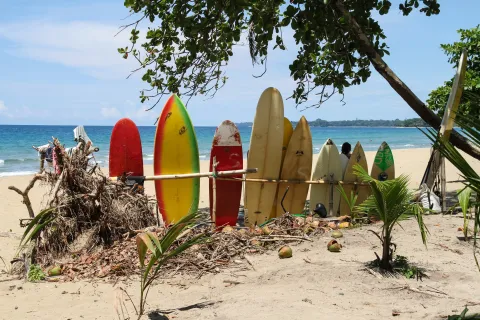
Luxury Surf Haven Unlocks Costa Rica's Wild Coast
Pavones, Costa Rica - A luxury surf resort on the Southern Pacific Coast pairs personalized itinerary design with access to one of the country's most biodiverse regions.
JW Marriott Opens First All-Inclusive in Costa Rica
GUANACASTE, Costa Rica - JW Marriott Costa Elena Resort & Spa marks the brand's debut in all-inclusive hospitality, bringing 415 rooms and Costa Rica's largest resort pool to the Pacific coast.
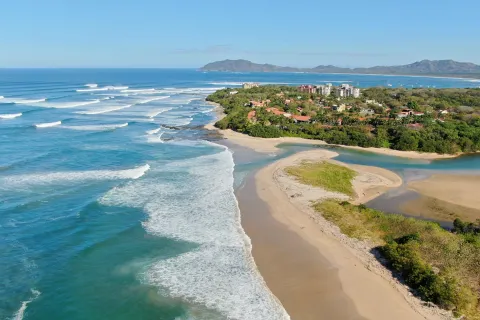
CDC Warns Travelers About Dengue Risk in 16 Nations
ATLANTA, United States — CDC alerts travelers to heightened dengue fever risk across 16 countries following global surge in mosquito-borne infections.
About the Author
Jeff Colhoun
Jeff Colhoun is a photographer and filmmaker whose work has appeared in The Wall Street Journal, the Los Angeles Times, Matador Network and Barron’s.