Stay current with our airline news coverage.
The Numbers Tell the Story
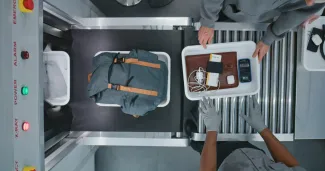
According to The Runner Online, nearly 500 TSA employees resigned during the funding lapse. Thousands more called in sick. When you're asking people to show up for a job that isn't paying them, this is what happens. The shutdown began February 14, 2026, stemming from a congressional impasse over immigration policy and DHS funding. TSA agents, who continued screening passengers as "essential" workers, missed their first full paycheck on Friday during the shutdown. By the time spring break travel ramped up, sick calls among TSA agents had more than doubled compared to normal levels. It's hard to overstate how badly timed this was. Spring break is one of the busiest travel periods of the year; airports were already bracing for capacity crowds. Instead, they got overwhelmed checkpoints with skeleton crews.A Political Standoff With Real Consequences
The funding fight pitted Democrats seeking immigration policy changes against Republicans who opposed those provisions. President Donald Trump blamed Democrats for the ongoing shutdown, pointing to what he called the "radical left" for refusing to honor a deal that was approved and voted on in Congress, according to statements he posted on Truth Social. Chris Sununu, President and CEO of Airlines for America, called on lawmakers to resolve the funding dispute and ensure TSA employees received their paychecks. The airline industry, watching security lines grind to a glacial pace, wanted the matter settled quickly. Meanwhile, travelers found themselves stuck in the middle. Longer waits at security meant missed connections, frayed nerves, and a general sense that the system was breaking down at exactly the wrong moment.When the Workforce Walks Away
Here's the thing about asking people to work for free: they stop showing up. Nearly 500 resignations in a matter of weeks isn't just a staffing headache; it's a hemorrhage. TSA was already dealing with hiring challenges before this crisis. Losing hundreds of trained screeners in the middle of peak travel season created gaps that couldn't be filled quickly. The wave of sick calls made things worse. When sick calls more than double, you're not looking at a flu outbreak. You're looking at workers who've decided they can't afford to keep coming in without pay. Some may have been job hunting. Others may have simply needed to prioritize work that actually paid the bills. The president did promise to pay employees through an executive order, but that promise didn't undo the immediate damage. Security checkpoints still operated with reduced staff during one of the busiest travel weeks of the year.The Ripple Effect
Understaffed security lines don't just mean longer waits. They also raise questions about thoroughness and safety. When screeners are stretched thin, rushed, and demoralized, it's harder to maintain the same level of vigilance. No one's suggesting checkpoints became unsafe, but the strain was real. Airports tried to manage the chaos, but there's only so much you can do when the core issue is a lack of bodies at the checkpoint. Some travelers reported wait times stretching well past the standard two-hour recommendation for domestic flights. Others missed flights entirely.Where This Leaves Spring Break Travelers
If you traveled during the shutdown, you already know how this played out. If you're planning future trips, the broader lesson is worth noting: government funding disputes can directly affect your travel experience in ways that are both immediate and frustrating. TSA staffing isn't something most travelers think about until the line isn't moving. But when essential workers go unpaid during peak travel periods, the system doesn't just slow down; it can feel like it's barely holding together. The funding impasse eventually needed a legislative fix, but the damage to spring break travel was already done. Airports were overwhelmed. Workers were demoralized. And travelers paid the price in time, stress, and missed connections. For anyone booking travel during periods of government uncertainty, it's worth keeping an eye on funding deadlines and potential shutdowns. The TSA workforce is essential, but they're also human. And when the paychecks stop, the system starts to crack.More travel news
U.S. Customs and Border Protection to End Routine Passport Stamps
CBP announced routine passport stamping will end during primary inspection, with limited exceptions; foreign visitors can access admission and authorized-stay details through I-94 or CBP Link.
United Flight Attendants Can Refuse ICE Questions
Washington, United States - United flight attendants were told they may remain silent when ICE asks about passengers or coworkers as airport arrests increase nationwide.
Airlines Put Elite Status on a Higher Price Tag
NEW YORK, United States - Delta, United and other major airlines are raising elite status hurdles, leaving frequent flyers on discounted fares with less credit.

Carnival Rewards Sets Sail With Spending Based Status
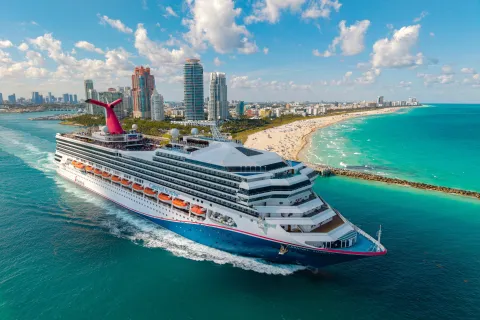
Carnival Rewards ties cruise status to eligible spending while keeping separate recognition for lifetime sailing days.
About the Author

Bob Vidra
Bob Vidra is News Editor at Jetsetter Guide, covering airlines, airports and the travel industry since 2023.