Stay current with our airline news coverage.
New Tariffs Could Hit Your Cross-Border Travel Budget
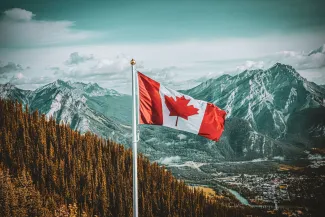
WASHINGTON - The United States has announced sweeping 50% tariffs on most Canadian imports, marking one of the most significant trade actions in decades. According to Reuters, the measures were unveiled by the White House under Section 338 of the Trade Act of 1930 and are scheduled to take effect after a brief implementation period. For anyone who travels regularly between the U.S. and Canada, or plans to visit either country in the coming months, this isn't just a trade story. It's a potential hit to your travel budget. While the tariffs formally target goods like autos, alcohol, and dairy products, the ripple effects could touch everything from hotel costs to airline tickets to the price of a coffee in Vancouver or a beer in Montreal. The tariffs target about $20 billion of Canadian exports to the U.S., roughly 5% of U.S. imports from Canada, according to CNN. That's a small slice of total trade, but it lands squarely on consumer-facing sectors: food, beverages, and manufactured goods that stock shelves and supply chains on both sides of the border.What This Means for Hotels, Airlines, and Tourism
The concern isn't just theoretical. When tariffs drive up the cost of goods, businesses pass those costs along. Hotels that rely on imported furniture, linens, or food products may face higher operating expenses. Airlines could see fuel and parts costs tick upward if Canadian suppliers are affected. Restaurants and bars that serve Canadian beer, wine, or spirits will likely raise menu prices to offset the 50% tariff on alcohol. For budget travelers, that's where it hurts. A hostel breakfast that includes Canadian dairy? Potentially pricier. A cross-border bus ticket whose operator now pays more for parts and fuel? You might see that reflected in fares. The knock-on effects are hard to quantify yet, but they're real. Canadian tourism to the U.S. and American tourism to Canada together represent billions in annual spending. Any policy that makes goods more expensive in either country has the potential to dampen travel demand. If Canadians feel the pinch of higher prices at home due to retaliatory measures (and Canadian Prime Minister Mark Carney has pledged to respond, according to Reuters), they may cut discretionary spending, including trips to New York, Florida, or California. Likewise, Americans planning ski trips to Whistler or city breaks in Toronto might think twice if hotel and meal costs creep upward.Business Mobility Takes a Hit
Business travelers face their own set of headaches. Cross-border commerce between the U.S. and Canada is deeply integrated, with thousands of people crossing daily for meetings, conferences, and work assignments. Tariffs that disrupt supply chains or raise costs for Canadian and American companies can translate to tighter travel budgets, canceled conferences, or delayed expansions. For digital nomads and remote workers who split time between U.S. and Canadian cities, the uncertainty is frustrating. Will your favorite Toronto coworking space raise rates to offset higher import costs on office furniture and tech? Will the boutique hotel you use in Montreal adjust nightly rates to cover costlier Canadian wine and cheese for its complimentary breakfasts? These aren't far-fetched scenarios; they're the micro-level adjustments that happen when trade policy shifts.The Bigger Budget Calculus
Trade wars are unpredictable, and that's part of the problem for travelers. We plan trips months in advance, lock in bookings, and build budgets on the assumption that prices will hold steady. A sudden 50% tariff throws that calculus off. Right now, the full impact on tourism isn't clear. The tariffs haven't taken effect yet, and there's still room for negotiation. Canadian officials are intensifying trade talks with the U.S., according to Reuters, and most Canadian premiers have pledged to keep lines of communication open. But even the threat of prolonged trade tension creates uncertainty, and uncertainty makes it harder to plan. For travelers on tight budgets, the smartest move is to stay flexible. Book accommodations and transport with free cancellation policies where possible. Keep an eye on exchange rates; if the Canadian dollar weakens in response to trade tension (and Bloomberg has noted investor concerns about Canadian economic stability), U.S. travelers could actually see better value north of the border, offsetting some of the higher goods costs. Conversely, Canadians traveling to the U.S. might face a less favorable exchange rate. Watch airline pricing closely. If Canadian carriers or U.S. airlines serving Canadian routes start raising fares to cover higher operating costs, you'll want to act fast before prices climb further. Budget airlines and bus operators often hold fares steady longer than legacy carriers, so consider alternative routes and modes of transport.Where This Leaves North American Travelers
I've crossed the U.S.-Canada border more times than I can count, by bus, train, budget airline, and on foot. It's one of the easiest, most affordable international frontiers in the world. The idea that policy decisions could make that crossing more expensive or complicated is genuinely frustrating. But this is also a reminder that travel costs aren't just about airfare and accommodation. Trade policy, tariffs, and currency fluctuations all play a role. When governments impose tariffs, travelers feel it, whether through higher hotel minibar prices, pricier restaurant meals, or reduced service as businesses cut costs. For now, the best advice is to monitor the situation closely. If you have a trip to Canada or a cross-border journey planned, don't panic, but do keep your booking flexibility. Check in on exchange rates, watch for fare sales, and be prepared to adjust your itinerary or budget if costs start to rise. Trade negotiations can move quickly, and there's always a chance the tariffs could be scaled back or delayed. But if they do take full effect, North American travelers on both sides of the border should be ready for a bumpier, pricier road ahead.More travel news
10 Stunning National Parks You Can Visit Free This Fall
NATIONAL PARKS, United States - A third of the nation's 63 national parks charge no entrance fee year-round, offering families and budget-conscious travelers big scenery without the gate cost this fall.

Airlines Win Right to Hide Extra Fees from Flyers
WASHINGTON, D.C. - Airlines can once again obscure baggage fees during initial flight searches after the Department of Transportation restored its pre-2024 disclosure framework.

WestJet Crew Strike Vote Threatens Canada Travel
TORONTO, Canada - Nearly 4,400 WestJet flight attendants voted overwhelmingly to authorize strike action over unpaid ground work and wages, setting up potential disruption for summer travelers if talks fail.
Massive Flight Chaos Hits Four States With 3000 Delays
UNITED STATES - Summer flight chaos intensifies as four states record 141 cancellations and 3,195 delays, disrupting Southwest, JetBlue, and Delta operations.
About the Author

Dana Lockwood
Dana Lockwood is a rising journalist who specializes in budget-friendly solo travel.