Stay current with our airline news coverage.
WASHINGTON, United States - The familiar uncertainty of shopping for airfare is facing a sharper question: Could the price on a traveler’s screen be influenced not only by demand, but also by who that traveler is?
Rep. Frank Pallone is demanding information from major airlines about their potential use of surveillance pricing, a practice involving consumer information to tailor prices or offers. According to News12 New Jersey, Pallone wants greater transparency about what information airlines collect, how they use it and whether a customer’s personal profile could influence the ticket price displayed.
Pallone’s office issued its announcement on Aug. 12, 2026, as part of an ongoing inquiry into surveillance-pricing practices. The broader inquiry began in May 2026 and initially targeted major retailers, including Amazon, Costco and Target.
Eight Major U.S. Airlines Face Questions
The request names Alaska Airlines, American Airlines, Delta Air Lines, Frontier Airlines, Hawaiian Airlines, JetBlue Airways, Southwest Airlines and United Airlines, according to information released by Pallone’s office.
The letters ask whether airlines use personal information such as identity, gender, age, race, employment, income, spending history, loyalty-program participation, browsing behavior and location when setting fares. Pallone also wants to know whether airlines purchase or license consumer information from data brokers or other third parties.
Another central question is whether customers can prevent their information from being used in pricing decisions. The inquiry also seeks details about whether travelers are told when personal information affects the fare they are offered.
These questions draw an important distinction between conventional demand-based pricing and individualized pricing informed by a person’s data. The available reporting does not establish that any of the eight airlines has admitted to setting individualized fares based on personal information. The letters are requests for disclosure, not findings that the carriers engaged in unlawful conduct.
Why Surveillance Pricing Is Different From Fare Fluctuation
Airline customers are accustomed to prices changing, sometimes substantially. News12 New Jersey reported that Pallone considers potential surveillance pricing particularly concerning in aviation because ticket prices can fluctuate dramatically.
The Federal Trade Commission has defined surveillance pricing as personalized pricing based on consumer data, including location, demographics, browsing history, shopping habits and device type. Under that framework, the central issue is not simply that a fare changes. It is whether information associated with a particular customer helps determine the price that person sees.
That distinction matters because two pricing systems can look similar from a traveler’s perspective. A fare may move in response to broad market conditions, or an offer could potentially be tailored using information connected to the shopper. Pallone’s inquiry seeks to clarify whether airlines are doing the latter and, if so, what disclosures and controls are available to passengers.
Loyalty Data Comes Under Scrutiny
The inclusion of loyalty-program participation among the requested data categories deserves close attention. Airline loyalty accounts can be central to how frequent travelers plan, book and manage trips. Pallone’s questions do not establish that loyalty status changes the cash price presented to a customer, but they ask airlines to explain whether participation is used when fares are set.
The inquiry also reaches beyond information that passengers provide directly. By asking about data brokers and other third parties, Pallone is seeking a fuller view of the information ecosystem behind online airfare offers. That includes whether externally obtained consumer details enter the pricing process and whether passengers know that such information is being considered.
For travelers, meaningful transparency would require more than a general statement that data is collected. The questions raised by Pallone concern the specific purpose of that collection, whether it influences prices and whether customers have a way to object.
A More Careful Booking Calculus for Travelers
In my view, the most significant aspect of this inquiry is the gap between ordinary fare volatility and true personalization. Travelers can reasonably understand that airline prices change. It is considerably harder to evaluate value when they do not know whether their location, browsing behavior, spending history or loyalty participation may be part of the pricing equation.
Until airlines respond, travelers should avoid assuming that a changing fare proves surveillance pricing. The inquiry has not established that conclusion. A measured approach is more useful: Compare available fares carefully, review airline privacy settings and disclosures, and note the terms and price shown before completing a purchase. These steps cannot determine how an airline generated a fare, but they can help travelers make a more deliberate booking decision.
Families and multigenerational groups have particular reason to follow the inquiry. Their itineraries often require coordinating several passengers, specific travel dates and individual needs. If personal data is ever used to shape airfare offers, clear disclosure would be essential for evaluating the total cost of a trip and comparing options fairly.
Loyalty members should also watch how airlines answer questions about program participation. For many travelers, these programs are designed to create convenience and value. Pallone’s inquiry asks whether the same relationship data might also enter pricing decisions, an issue that airlines now have an opportunity to clarify.
Transparency Is Now the Immediate Test
The investigation remains at the information-gathering stage. No airline identified in the request has been shown by the available reporting to use personal profiles for individualized ticket pricing.
Still, the inquiry reflects growing federal scrutiny of how companies use consumer data in online commerce. By extending a May 2026 investigation that began with retailers to eight major airlines, Pallone is focusing attention on a marketplace where prices already move frequently and can be difficult for customers to interpret.
The answers could help travelers distinguish standard airline revenue management from pricing that relies on personal information. For now, the essential questions remain straightforward: What data is collected, where does it come from, does it affect the fare and is the passenger told?
More travel news
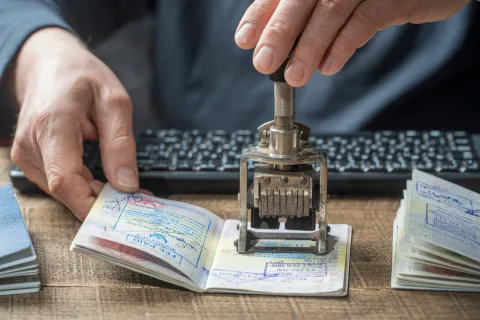
U.S. Customs and Border Protection to End Routine Passport Stamps
CBP announced routine passport stamping will end during primary inspection, with limited exceptions; foreign visitors can access admission and authorized-stay details through I-94 or CBP Link.
United Flight Attendants Can Refuse ICE Questions
Washington, United States - United flight attendants were told they may remain silent when ICE asks about passengers or coworkers as airport arrests increase nationwide.
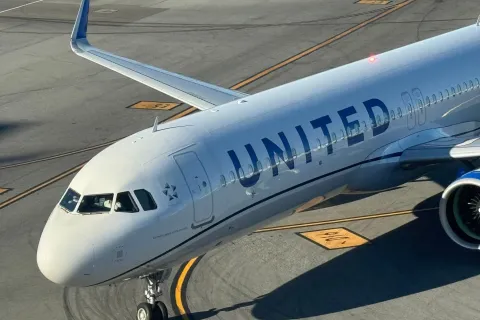
Airlines Put Elite Status on a Higher Price Tag
NEW YORK, United States - Delta, United and other major airlines are raising elite status hurdles, leaving frequent flyers on discounted fares with less credit.

Carnival Rewards Sets Sail With Spending Based Status
Carnival Rewards ties cruise status to eligible spending while keeping separate recognition for lifetime sailing days.

About the Author

Jennifer Wilmington
Jennifer Wilmington is Family Travel Editor at Jetsetter Guide, covering family and luxury travel from her base in Charleston, South Carolina.