Stay current with our airline news coverage.
DUBAI, United Arab Emirates — Here's something you don't plan for when booking a Greek island cruise: getting stuck in Dubai because your ship can't leave port. But that's exactly what's been happening to thousands of travelers over the past week, as cruise ships bound for the Mediterranean found themselves grounded in the Arabian Gulf. According to the United Nations' International Maritime Organization, roughly 15,000 cruise passengers have been stranded across ports in Dubai, Doha and Abu Dhabi as ongoing regional tensions forced vessels to stay docked. The disruption has triggered a cascade of cancelled European sailings, mass repatriations and a logistical scramble that's kept cruise line executives working around the clock.
Which Cruise Lines Are Affected?
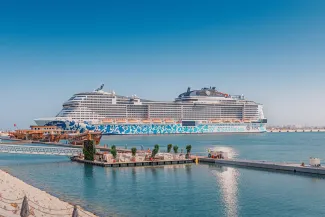
The situation has hit multiple operators, both large and small. MSC Cruises has been organizing repatriation flights for more than 1,500 passengers who'd been aboard the MSC Euribia in Dubai. The company has already sent seven flights home, including dedicated charter services and seats on commercial carriers, returning travelers to the UK, Italy, Germany, Spain, the U.S. and Brazil. "Our ship command and crew have worked tirelessly to ensure our guests are well cared for and our teams across the globe have worked round the clock to get our guests home safely and in a timely manner," said Pierfrancesco Vago, executive chairman of MSC Cruises. Greek operator Celestyal has two ships stuck in the region: Celestyal Discovery is docked in Dubai, while Celestyal Journey remains in Doha. Passengers disembarked safely in Dubai, and those still aboard the Journey were expected to leave the vessel in Qatar within 24 hours of Monday's announcement. Both ships are "fully operational and ready to sail," the company said, but they're waiting for clearance from authorities before they can move. German operator TUI Cruises announced cancellations for upcoming sailings on its Mein Schiff 4, and Saudi Arabia-backed AROYA Cruises took the most drastic step: it's cancelled the remainder of its Arabian Gulf winter season entirely. All passengers aboard AROYA's ship safely disembarked in Dubai on March 7.
European Cruises Cancelled as Ships Can't Reposition
The real pain for travelers isn't just happening in the Gulf; it's rippling across the Mediterranean. Cruise lines typically reposition their ships seasonally, moving vessels from winter itineraries in warmer climates to European routes as spring arrives. With ships unable to leave Gulf ports, that carefully choreographed ballet has fallen apart. Celestyal has been forced to cancel two of its "Iconic Aegean" Greek island cruises scheduled for later this month. A three-night sailing set to depart March 20 and a four-night voyage on March 23, both operated by Celestyal Discovery, will no longer take place. The company said it's finalizing arrangements to get the ship repositioned to the Mediterranean for the summer season, but the timeline remains uncertain. Passengers booked on the cancelled sailings are being offered either a full refund or future cruise credit. It's a frustrating situation, especially for anyone who'd already booked flights and hotels around those dates.
What About Insurance and Compensation?
If you're one of the unlucky travelers caught up in this mess, you're probably wondering what you're entitled to. The good news is that most cruise lines are covering the cost of getting passengers home, including those charter flights MSC organized. Whether you'll be compensated beyond that depends on your booking terms and whether you purchased travel insurance that covers this kind of disruption. Regional tensions fall into a grey area; they're not quite "acts of war" but they're also not routine weather delays. Check your policy's fine print, and don't be shy about reaching out to your cruise line's customer service team. Many operators are being flexible given the extraordinary circumstances.
When Will Ships Be Able to Leave?
That's the question everyone's asking, and unfortunately, there's no clear answer. Celestyal said its vessels will depart "in line with guidance from the relevant authorities," which is corporate speak for "we're waiting to be told it's safe." The IMO and regional maritime authorities are monitoring the situation, but until they give the green light, those ships aren't going anywhere. For cruise lines, it's a delicate balance. They need to keep passengers and crew safe, comply with international maritime law and work with local authorities, all while managing the financial hit of cancelled sailings and emergency repatriations. It's not a situation any operator wants to find themselves in.
What Should Travelers Do Now?
If you've got a Mediterranean cruise booked for late March or April, check your email and your cruise line's website religiously. Operators are reaching out to affected passengers, but communication can be spotty when things are changing this quickly. Don't assume your sailing is cancelled just because you read about disruptions in the news; confirmation needs to come directly from your cruise line. And if you haven't already, now might be a good time to review your travel insurance policy and understand what's covered. For those still planning Gulf itineraries, well, you might want to hold off for a bit. With at least one operator cancelling its entire winter season, it's clear the situation isn't resolving anytime soon. Sometimes the best travel plan is flexibility. The bottom line? Thousands of cruise passengers are finally making it home after an unexpected extended stay in the Gulf, but the ripple effects will be felt across European cruise schedules for weeks to come. It's a mess, and one that underscores just how quickly regional instability can upend even the most carefully planned vacation.
More travel news
Oceania Cruises plans first full winter Mediterranean season for 2027-28
The line’s first full winter Mediterranean season will feature 17 Oceania Allura voyages, lasting nine to 26 days, from November 2027 through March 2028.

Flydubai passengers reach Tel Aviv after cockpit attack
Passengers reached Tel Aviv after Israeli officials said passengers and crew stopped a co-pilot’s attempt to crash Flight FZ1073.
Lonely Planet releases Best in Travel 2027 list
The 50 selections range from California’s coastal redwoods to a Galápagos expedition cruise, with exclusive destination content available in the Lonely Planet app.

U.S. Level 3 Advisory Covers Dubai and Abu Dhabi
The nationwide Level 3 advisory is not a travel ban; Americans can still visit Dubai and Abu Dhabi but should assess the risks and prepare for possible flight changes.

About the Author

Bob Vidra
Bob Vidra is News Editor at Jetsetter Guide, covering airlines, airports and the travel industry since 2023.