Stay current with our airline news coverage.
Why American Airlines Left in the First Place
American had been flying to Venezuela since 1987. For more than three decades, it was the largest U.S. carrier in the country, with routes like Miami to Caracas and even an Admirals Club in the Venezuelan capital. But in 2019, amid mounting political instability, economic collapse, and escalating tensions under President Nicolas Maduro, the U.S. government ordered an immediate suspension of all nonstop flights. The FAA issued safety notices, and American, along with every other U.S. airline, pulled out. The move wasn't just political theater. There were genuine concerns about airspace safety, airport infrastructure, and the ability to protect crew members on the ground. American didn't leave by choice; it left because it had to.What Changed? Policy Shifts and Military Action
Fast forward to late January 2026, and things look very different. The U.S. government lifted the 2019 flight ban, rescinding the orders that grounded service and clearing the way for airlines to apply for route approval again. The FAA also removed flight restriction notices, signaling that airspace safety reviews are moving forward. Then came the headlines about U.S. military action capturing Maduro. President Donald Trump announced plans to reopen Venezuelan commercial airspace to American travelers. "We're going to be opening up all commercial airspace over Venezuela," Trump said. "American citizens will be very shortly able to go to Venezuela and they'll be safe there." Whether or not that reassurance holds up in practice remains to be seen. The State Department's Level 4 advisory hasn't budged, and the partial travel ban is still in effect. But the policy shift has been enough for American to move forward with plans.American Airlines Steps Up First
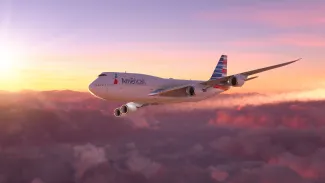
No launch date has been set yet. American is waiting on final U.S. government approval, FAA safety evaluations, and security assessments before tickets go on sale. But the airline's Chief Commercial Officer, Nat Pieper, made the intent clear in a statement: "We have a more than 30-year history connecting Venezolanos to the U.S., and we are ready to renew that incredible relationship," Pieper said, according to eTurboNews. "By restarting service to Venezuela, American will offer customers the opportunity to reunite with families and create new business and commerce with the United States." It's expected that flights will operate daily between Miami and Caracas, a 1,360-mile route that American knows well. There's speculation that the airline may opt for a technical stop initially; crew safety protocols and same-day turn requirements could make layovers necessary, at least in the early stages. That's not unusual for routes with heightened security concerns, and it wouldn't be the first time American has taken a cautious approach to resuming service in a sensitive market.What This Means for Travelers
For the Venezuelan diaspora in South Florida, this is huge. Miami is home to one of the largest Venezuelan populations outside Venezuela itself, and for years, families have had to rely on connecting flights through third countries like Panama, Colombia, or the Dominican Republic. It's added time, cost, and hassle to what should be a straightforward trip. Business travelers may also benefit, especially if diplomatic and trade relations continue to thaw. But let's be real: leisure tourism isn't going to drive this route. Not with a Do Not Travel advisory still in place. This is about visiting family and reconnecting communities, not vacation packages. There's also the immigration piece. Visa access remains limited, Temporary Protected Status for Venezuelans in the U.S. is in flux, and consular services are barely operational. That means even with flights available, getting the necessary paperwork to travel could still be a headache.Challenges Ahead
American isn't flying blind here, but it's not a slam dunk either. Labor unions representing pilots and flight attendants have raised concerns about crew safety in the past, and those worries haven't disappeared. The airline will need to address those internally, likely with enhanced security protocols and possibly overnight crew accommodations outside Venezuela. Then there's the question of demand. Will enough people fly to justify daily service? Maybe. Miami's Venezuelan community is large and motivated, and there's pent-up demand after seven years of disruption. But the economics have to work, and that's not guaranteed in a market where instability is still the norm. No other U.S. carriers have announced similar plans yet. American is taking the lead, which could either mean it sees something others don't, or that it's willing to take a calculated risk to rebuild market share before anyone else can.The Bottom Line
American Airlines resuming service to Venezuela is a meaningful step, both symbolically and practically. It signals a shift in U.S. policy and a willingness to re-engage with a country that's been largely isolated for the better part of a decade. For families separated by borders and politics, it's a lifeline. But it's also a work in progress. Safety reviews are ongoing, security concerns are real, and travel advisories remain in place. This isn't a return to the days when Caracas was just another pin on the route map. It's a tentative reopening, and one that will require patience, flexibility, and probably a few more months of waiting before the first flight actually takes off.More travel news
American Led Bag Mishandling Rates on Reportable Domestic Flights in Early 2026
For January through June 2026, the DOT data covers checked bags in airline custody on reportable domestic nonstop scheduled passenger flights; mishandled includes lost, delayed, damaged or pilfered bags.
United Flight Attendants Can Refuse ICE Questions
Washington, United States - United flight attendants were told they may remain silent when ICE asks about passengers or coworkers as airport arrests increase nationwide.
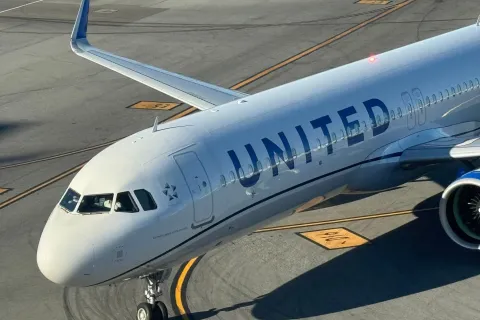
Airlines Put Elite Status on a Higher Price Tag
NEW YORK, United States - Delta, United and other major airlines are raising elite status hurdles, leaving frequent flyers on discounted fares with less credit.
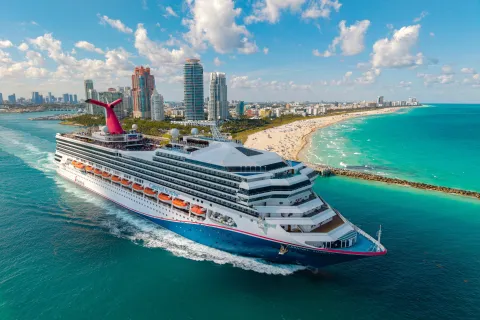
Carnival Rewards Sets Sail With Spending Based Status
Carnival Rewards ties cruise status to eligible spending while keeping separate recognition for lifetime sailing days.
About the Author

Bob Vidra
Bob Vidra is News Editor at Jetsetter Guide, covering airlines, airports and the travel industry since 2023.