Spike in Stomach Bugs Documented Among Returning Travelers
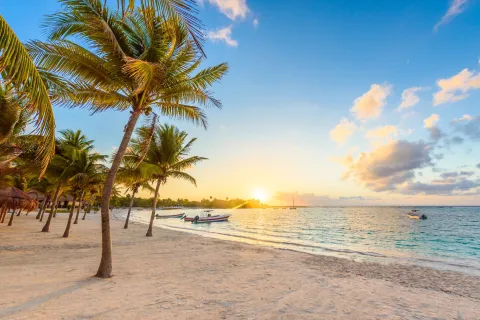
According to Travel, between 1 July and 15 October 2023, officials documented a rise in stomach bugs among travelers returning from the named countries. The specific timeframe of the reporting period suggests a pattern concentrated during peak summer and early autumn travel months, when British holidaymakers traditionally flood Mediterranean and long-haul destinations. The warning targets some of the United Kingdom's most popular holiday markets. Turkey remains a perennial favorite for British sun-seekers, offering coastal resorts along the Mediterranean and Aegean. Mexico attracts travelers to Caribbean beach destinations and cultural sites. Egypt draws visitors to archaeological treasures and Red Sea diving. Tunisia, a North African staple, provides accessible Mediterranean beaches and desert excursions.What Travelers Need to Know
Health experts are urging British travelers bound for these destinations to follow specific guidelines designed to minimize risk of gastrointestinal illness. While the exact protocols weren't detailed in the official guidance, standard recommendations for preventing stomach bugs in developing and middle-income destinations typically include rigorous attention to food and water safety. The rise in reported cases underscores a persistent reality for travelers heading to regions where food handling standards, water treatment infrastructure, and sanitation systems may differ significantly from UK norms. Even in tourist-heavy areas with modern resort facilities, exposure to unfamiliar pathogens or lapses in food safety can trigger illness.The Real-World Impact on Your Trip
Anyone who has dealt with traveler's diarrhea or vomiting while abroad knows the toll it takes. Beyond the physical discomfort, gastrointestinal illness can eliminate days from an itinerary, confine you to a hotel room during limited vacation time, and create logistical nightmares around flights, tours, and travel connections. In destinations like Egypt and Tunisia, where travelers often venture into more remote archaeological sites or desert environments, falling ill can pose additional challenges related to access to medical care and safe hydration. Similarly, beach-focused trips to Mexico and Turkey lose their appeal quickly when symptoms confine you indoors.Context for Risk Assessment
The documented spike occurred during a three-and-a-half-month window that captures high season travel to Mediterranean and long-haul destinations. That concentration suggests either seasonal factors related to food preparation and storage during warmer months, or simply the higher volume of British travelers moving through these countries during summer holidays and early autumn breaks. For travelers, the warning serves as a reminder that popular doesn't mean risk-free. Turkey hosted millions of British visitors annually before recent years. Mexico has seen steady growth in UK arrivals. Egypt and Tunisia, despite periodic security and political concerns, remain fixtures in the package holiday market. High tourist volumes don't automatically correlate with lower health risks.Practical Steps Forward
While the official guidance emphasizes following specific protocols, experienced travelers to developing regions already know the basics: avoid tap water including ice cubes, stick to thoroughly cooked foods served hot, be cautious with raw vegetables and fruits you can't peel yourself, and choose busy, reputable establishments over quiet spots with questionable turnover. Travel insurance that covers medical treatment abroad becomes particularly relevant for trips to these destinations. Severe dehydration from gastrointestinal illness can require medical intervention, and knowing you have coverage for treatment or evacuation removes one variable from an already miserable situation. The warning also highlights the importance of packing a basic medical kit including oral rehydration salts, anti-diarrheal medication, and any prescriptions your doctor recommends for managing symptoms until you can access proper care.What This Means for Your Planning
The health advisory shouldn't necessarily derail travel plans to Turkey, Mexico, Egypt, or Tunisia, but it does demand realistic preparation. These destinations offer genuine value, cultural depth, and landscapes you won't find elsewhere. The goal isn't avoidance; it's informed risk management. Understand that gastrointestinal illness remains a documented risk based on recent data from returning travelers. Take the guidelines seriously. Pack appropriately. Stay vigilant about food and water sources. And recognize that even with perfect precautions, some exposure remains unavoidable in destinations where infrastructure and standards differ from home. The spike in reported cases gives weight to what seasoned travelers to these regions already know: your stomach will likely be tested. How well you manage that challenge determines whether a minor inconvenience stays minor, or whether it consumes your trip entirely.More travel news
Middle East Tourism Collapses Amid Regional Conflict
DUBAI, United Arab Emirates - Iran joins Israel, Saudi Arabia, UAE, Qatar, Iraq, Bahrain, Jordan, Syria, Egypt, and neighboring countries in an unprecedented tourism collapse, losing $600 million daily as conflict reshapes the region's travel landscape.

Turkish Hotels Battle Beach Pollution Crisis
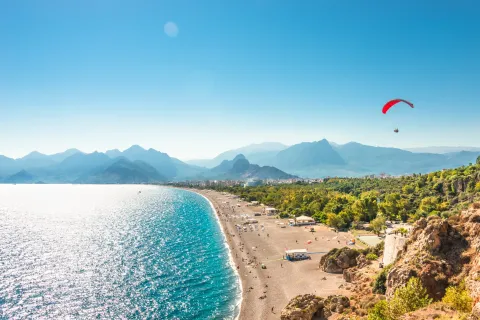
Antalya, Turkey - Turkish Riviera resorts launch expanded beach maintenance and conservation programs in response to growing scrutiny over litter, balancing tourism growth with environmental stewardship.
Airlines cancel 120 UK flights over fuel woes
LONDON, United Kingdom - Rising jet fuel costs forced UK airlines to axe 120 departures in May, with additional cuts hitting June schedules as supply pressures mount.
US Warns Travelers: Mexico Border Zones Turn Dangerous
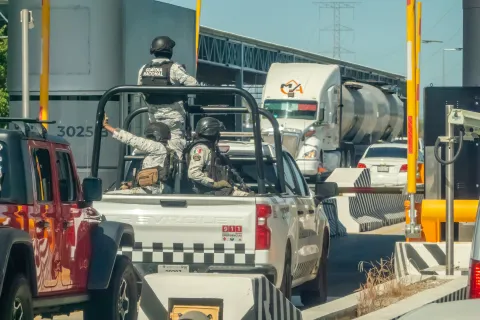
WASHINGTON - The State Department raised Tamaulipas and parts of Coahuila to its highest warning level after 12 died in a January ambush and kidnappings surged 45 percent along smuggling corridors.
About the Author
Jeff Colhoun
Jeff Colhoun is an acclaimed travel writer, photographer, and filmmaker, whose work is respected both in the United States and internationally.