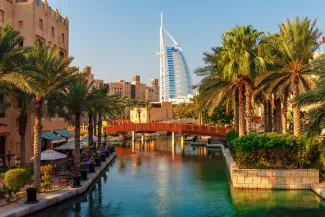
Regional Conflict Triggers Tourism Collapse Across Middle East
DUBAI, United Arab Emirates - The Middle East's tourism industry is hemorrhaging nearly $600 million daily as ongoing regional conflict, widespread airspace closures, and stringent travel advisories bring travel across the region to a near standstill. From Iran in the east to Egypt in the west, countries that once competed for luxury travelers and religious pilgrims now share a common crisis: empty hotels, canceled flights, and evaporating revenue streams that threaten economic diversification plans built on tourism growth. The financial toll is staggering. The Middle East tourism sector is losing nearly $600 million daily, according to Skift. Forecasts warn the region could lose between 23 million and 38 million international visitors if instability continues through 2026. Those projections translate to a potential $34 billion to $56 billion loss in tourism-related spending, representing one of the most severe tourism shocks the region has ever experienced.Airspace Closures and Flight Cancellations Ripple Globally
More than 5,000 flights were canceled in the first two days of the conflict escalation as several Middle Eastern countries closed or restricted their airspace. Iran, Israel, Iraq, Qatar, Bahrain, Kuwait, and Syria implemented full or partial closures, while the UAE and Saudi Arabia imposed significant restrictions that disrupted both regional connections and long-haul transit routes through the Gulf hubs that have become essential nodes in global aviation networks. The operational chaos extends far beyond the immediate conflict zone. Airlines that rely on Middle Eastern airspace for Europe-to-Asia routes have been forced to reroute, adding hours to flight times and burning additional fuel. Passengers booked on Gulf carriers or planning connections through Dubai, Doha, or Abu Dhabi have found themselves stranded or scrambling for alternative routings through entirely different continents. Oxford Economics analysis cited by The Caspian Post notes, "The escalating conflict in the Middle East has produced immediate and far-reaching consequences for global aviation, tourism demand and international travel flows."Israel and Iran Face Steepest Declines
While the entire region suffers, Israel and Iran face the most dramatic drops. Inbound tourism to Israel could fall by about 57 percent compared with pre-conflict forecasts, while Iran could see declines of around 49 percent, according to Oxford Economics estimates. These figures reflect not only immediate security concerns but also the long-term damage to destination brands that travelers had begun to reconsider after years of gradual normalization and cultural tourism promotion. For Israel, a nation that had successfully marketed itself as a sophisticated Mediterranean destination combining history, beaches, and innovation, the collapse represents a return to the tourism volatility that plagued earlier decades. Iran, which had been quietly attracting adventurous travelers drawn to ancient Persian sites and cultural authenticity, now faces renewed isolation from international tourism markets.Gulf States Absorb Largest Absolute Losses
Paradoxically, Gulf Cooperation Council countries that have positioned themselves as stable, world-class destinations far removed from regional conflict are expected to see some of the largest absolute losses in visitor numbers. The UAE, Qatar, Saudi Arabia, Bahrain, and Kuwait had collectively invested hundreds of billions of dollars in tourism infrastructure, mega-resorts, cultural institutions, and aviation capacity as part of ambitious economic diversification strategies designed to reduce dependence on oil revenue. A travel analyst interviewed on YouTube about the Iran conflict observed, "Tourism has dwindled to a halt. Obviously, it has stopped completely in Israel. It has stopped in the UAE. It has stopped in Qatar." The comment captures the paradox facing Gulf states: despite being thousands of kilometers from direct conflict zones, their brands as safe, accessible luxury destinations have been tarnished by broader regional instability and government travel warnings that paint the entire Middle East with the same risk brush. Business travel, conferences, and events have been particularly hard hit. Dubai and Doha had positioned themselves as neutral ground for international gatherings, but major conferences scheduled for late 2026 have been postponed or relocated to Singapore, Barcelona, and other perceived safe havens. The economic multiplier effect of these cancellations extends through hotel bookings, restaurant reservations, ground transportation, and the thousands of service workers who depend on a steady flow of high-spending business travelers.Red Sea Cruise Routes Abandoned
The crisis extends to the maritime tourism sector as well. Attacks and insecurity in the Red Sea have forced cruise ships and other vessels to reroute, significantly reducing port calls in Egypt, Jordan, Saudi Arabia, and other Red Sea destinations. Ships that once offered itineraries featuring Petra, the Pyramids, and emerging Saudi coastal resorts now bypass the region entirely, repositioning to the western Mediterranean or Caribbean routes. Egypt's Red Sea resorts, which had been experiencing a renaissance among European sunseekers looking for alternatives to overcrowded Mediterranean beaches, now sit largely empty. Jordan's Aqaba, positioned as a gateway to Petra for cruise passengers, has seen scheduled calls evaporate. Saudi Arabia's nascent Red Sea tourism project, a multi-billion-dollar bet on luxury eco-tourism, faces an indefinite pause in cruise arrivals that were meant to showcase the kingdom's opening to international leisure travelers.Fear Trumps Price in Booking Decisions
Travel industry data reveals a telling pattern: search interest for Middle Eastern destinations remains relatively strong, but conversion to actual bookings has collapsed. Travelers are researching trips, comparing prices, and building wishlists, but fear and uncertainty prevent them from committing credit cards to reservations. A senior travel editor commenting on a CBS-linked YouTube segment noted, "Instability in the Middle East for however long it lasts will create hesitation about long-term vacation and tourist bookings throughout Europe and that region." This hesitation effect extends geographically beyond the conflict zone itself. Southern Europe destinations that rely on Middle Eastern visitors for summer shopping trips and family holidays report significant softness in advance bookings. Asian destinations popular with Gulf travelers see similar patterns. The psychological impact of conflict imagery, travel warnings, and 24-hour news coverage creates a risk perception that transcends actual geographic proximity to danger.Rethinking Gulf Connections and Alternative Routes
For families who've grown accustomed to convenient Gulf connections on premium carriers, the current disruption forces a recalculation of routing, timing, and destination choices. The value proposition that made Dubai or Doha stopovers attractive—efficient connections, family-friendly airports, competitive pricing—evaporates when airspace restrictions add unpredictable delays and cancellation risks to every itinerary. Travelers heading to Asia, Africa, or returning to North America from Europe now face decisions about whether Gulf routings remain practical. Turkish Airlines through Istanbul, European carriers with direct long-haul flights, or even longer Pacific routings may offer more certainty, even if ticket prices edge higher. For families traveling with children or elderly relatives, the calculus shifts further; the prospect of being stranded in a transit airport during a security event outweighs loyalty program benefits or business-class seat quality. The accessibility implications deserve particular attention. Travelers with mobility challenges, medical needs, or those managing complex family logistics depend on predictable transit experiences. Middle Eastern hub carriers had invested heavily in accessible facilities and assistance services, but operational chaos introduced by conflict makes these capabilities unreliable. A missed connection due to airspace closure could mean spending days in an unfamiliar city without accessible accommodations or necessary medical support arranged in advance. Multi-generational family trips, which often hinge on carefully coordinated flight schedules to bring relatives from different continents together at a resort or reunion destination, face heightened risk of cascading failures when any single flight segment becomes unreliable. The extended family beach week in Oman or Dubai that required months of planning can unravel with a single airspace closure, leaving some family members unable to reach the destination while others are already checked into hotels. The practical response for families planning travel in the next 12 months involves building in significantly more flexibility and backup options than normal. Travel insurance policies need scrutiny for conflict-related exclusions. Direct flights, while often more expensive, eliminate the risk of missed connections. Destinations outside the region entirely may deserve fresh consideration, even if it means postponing bucket-list experiences in Petra or Isfahan until the security environment stabilizes and governments lift travel warnings. For travelers with non-refundable bookings to Middle Eastern destinations, the current environment demands proactive communication with airlines, hotels, and tour operators about rebooking policies. Many carriers and properties have introduced flexible change policies for conflict-affected regions, but these often require active outreach rather than automatic application. Documentation of government travel advisories can strengthen cases for refunds or credits when standard cancellation penalties would otherwise apply. The harder question involves timing: when will it be reasonable to resume planning trips to this region? Historical patterns from previous Middle Eastern conflicts suggest that leisure travel confidence rebuilds slowly, often lagging 12 to 18 months behind actual security improvements. Families considering whether to book that Maldives trip with a Dubai stopover or that Jordan archaeological tour for late 2026 or early 2027 should watch not just news headlines but also concrete indicators like airspace reopenings, resumed cruise port calls, insurance policy pricing, and whether business conferences return to Gulf venues.More travel news
Budget Carrier Collapses as Oil Crisis Grounds Fleets
MIAMI, USA - Viral reports of Spirit Airlines shutting down and Magnicharters filing for bankruptcy due to a U.S.–Iran oil crisis do not align with verifiable airline industry timelines or real-world events.

Dubai Hotels Shutter as Iran War Chokes Tourism
DUBAI, United Arab Emirates – Regional conflict sends Dubai's once-booming tourism industry into freefall, with hotel occupancy down more than half and luxury properties shuttering amid safety fears.

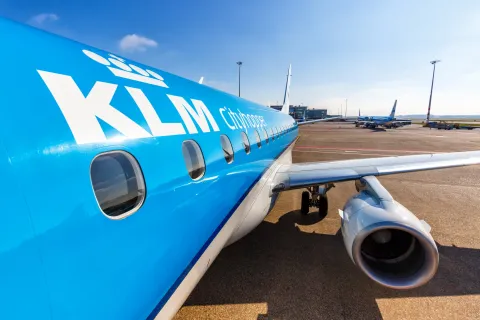
KLM Suspends Newcastle Routes to June Amid Mideast Crisis
Newcastle, England - KLM Royal Dutch Airlines suspends connections to Dubai, Riyadh, and Dammam from its Newcastle hub through mid-June, leaving UK travelers scrambling for alternatives.
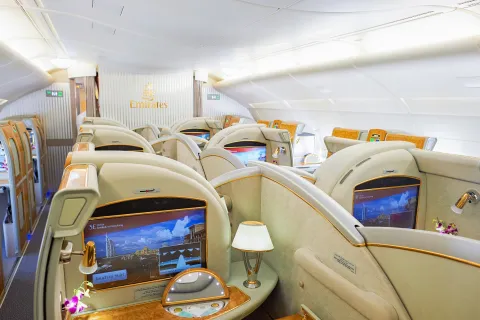
Emirates Plans Private Bathrooms for First Class
Dubai, United Arab Emirates - Emirates is exploring dedicated private bathrooms for every first-class passenger, a radical leap beyond its current A380 shower spas.
About the Author

Jennifer Wilmington
Jennifer Wilmington is a distinctive voice in the world of family and luxury travel, offering unique perspectives derived from her diverse background and experiences.