Stay current with our cruise news coverage.
Turkish Riviera Hotels Expand Beach Cleaning Efforts Amid Rising Pollution Concerns
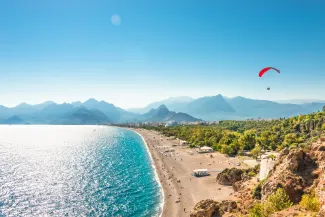
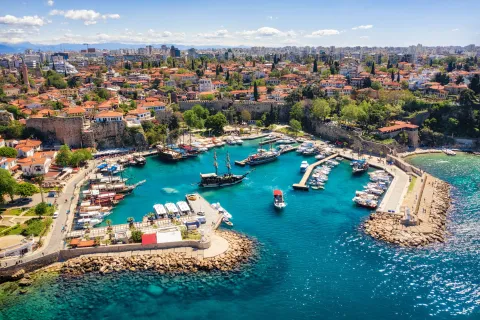
ANTALYA, Turkey - Leading hotels along Turkey's Mediterranean coast have intensified beach maintenance operations and sustainability programs in response to heightened public concern over shoreline pollution, while simultaneously emphasizing that official water quality testing continues to show excellent bathing conditions. The dual approach reflects the delicate balance resorts must strike: addressing visible environmental challenges while protecting the reputation of one of the world's most visited coastal destinations. The response comes as Antalya, the flagship city of the Turkish Riviera, manages the environmental pressure of hosting 15 to 17 million foreign visitors annually during peak periods, according to regional tourism data. That volume concentrates tremendous stress on beaches and coastal ecosystems, particularly through solid waste accumulation and plastic pollution, a problem common to mass tourism destinations across the Mediterranean.Clean Sand, Clear Water: The Two Pollution Problems
Turkish officials and resort operators are quick to distinguish between microbiological water safety and the separate issue of surface litter. Turkey's coastal monitoring program, aligned with European Union Bathing Water Directive standards through national health regulations, regularly tests Antalya's resort beaches for E. coli and intestinal enterococci. Those tests consistently return good to excellent results at most monitored sites, supporting the industry's position that bathing remains safe. Turkey ranked third globally in 2023 for Blue Flag beaches, with 551 such designations nationwide. Antalya province alone accounts for more than 230 of those flags, representing one of the highest concentrations in the world. Blue Flag status requires strict adherence to water quality, environmental management, safety, and public education criteria, a framework that participating hotels and municipalities must maintain year after year. Yet the Blue Flag system and microbiological monitoring cannot address the visible accumulation of plastic bottles, packaging, cigarette butts, and other debris that washes ashore or is left by beachgoers. Scientific surveys indicate that plastics constitute 70 to 80 percent of collected litter items on Turkish Mediterranean beaches, with cigarette butts representing another dominant category. The disconnect between clean test results and visibly littered sand has created a public relations challenge for a destination heavily reliant on its seaside image.From Dawn Patrols to NGO Partnerships
In response, major resort brands operating in Antalya, including Rixos, Barut, Limak, IC Hotels, and Titanic, have expanded daily beach cleaning schedules, deploying both manual teams and mechanical raking equipment during early morning and evening hours. These operations aim to clear surface litter before guests arrive and maintain pristine sand throughout the day. Beyond routine housekeeping, many properties have formalized partnerships with environmental organizations such as the Turkish Environmental Education Foundation, TURCEV, to stage regular coastal clean-up campaigns tied to global awareness days. During these organized events, hotels and local volunteers often collect hundreds of kilograms of waste in a single session, underscoring both the scale of the challenge and the commitment hotels are making to public engagement. The broader sustainability push extends well beyond beach raking. Post pandemic market dynamics and rising environmental consciousness among travelers have pushed upscale Turkish Riviera resorts to rebrand around green credentials. Renewable energy installations, water conservation technology, waste reduction programs, and locally sourced or organic food offerings now feature prominently in resort marketing, positioning environmental stewardship as central to the luxury experience rather than a regulatory afterthought.The Microplastic Challenge Beneath the Surface
While hotels focus on what visitors can see, scientists studying the Eastern Mediterranean have documented a layer of pollution that remains invisible to guests lounging on Antalya's beaches. Research conducted in Antalya Bay and nearby coastal sites has recorded microplastic densities of roughly 3,000 to 5,000 particles per square meter in some beach sediments. These tiny fragments, often less than five millimeters in size, result from the breakdown of larger plastic items and represent a persistent contamination that eludes both Blue Flag inspections and routine hotel clean-up operations. The divergence between surface aesthetics, microbiological safety, and long term ecosystem health highlights the complexity facing destinations like Antalya. Hotels can remove visible litter and point to favorable bacterial test results, yet the accumulation of microplastics in sediment and the broader marine food web reflects systemic issues tied to regional waste management infrastructure, plastic consumption patterns, and the sheer volume of tourism the coast absorbs each season.Tactical Fixes and Structural Questions
What Antalya's resorts are undertaking represents a significant operational commitment, and for families planning Mediterranean beach holidays, the visibility of these efforts offers reassurance. Daily beach maintenance, NGO collaborations, and expanded sustainability investments signal that major properties understand both the business imperative and the ethical responsibility of caring for the coastline. The Blue Flag program, despite its limitations regarding microplastics, provides an independent standard families can reference when selecting resorts, particularly for travelers with young children or elderly relatives sensitive to environmental quality. Yet the question remains whether intensified cleaning and green branding address root causes or simply manage symptoms. Environmental advocates welcome resort level action but argue that without systemic improvements in regional waste collection, plastic reduction at the source, and stricter enforcement of anti-littering policies, even the most diligent hotel operations will struggle to keep pace with the inflow of debris. The all-inclusive model that dominates Antalya's tourism economy generates substantial single-use waste, and while individual properties are phasing out certain plastics and investing in recycling, the broader infrastructure needed to process and reduce that waste often lags behind the pace of visitor growth. For travelers weighing summer plans, the practical calculus involves balancing Antalya's undeniable strengths: warm water, long stretches of sand, excellent value, robust hospitality infrastructure, and hundreds of Blue Flag beaches backed by regular microbiological testing. The pollution concerns are real and documented, but they coexist with genuine efforts by leading hotels to raise standards and protect their coastline. Families should prioritize properties with transparent sustainability commitments, verified Blue Flag status, and visible investment in beach maintenance. Asking direct questions about a resort's waste management, plastic policies, and partnership with local environmental groups can yield useful signals about how seriously a property takes its environmental role. The Turkish Riviera is not abandoning its beaches to pollution; instead, it is navigating the difficult transition that many high volume coastal destinations face as tourism growth collides with environmental limits. The hotels responding most aggressively to litter concerns are not only protecting their own reputations but also shaping the competitive landscape, making cleanliness and sustainability differentiators in a crowded market. Whether that shift proves sufficient to reconcile mass tourism with long term coastal health will depend on forces beyond any single resort's control, but the direction of travel is clear, and families booking Turkish beach holidays this season will benefit from the heightened attention to environmental quality.More travel news
Europe's 193 Million Face Deadly Heat Emergency
PARIS, France — A historic heatwave grips 193 million Europeans with record temperatures in Denmark and Germany as The Economist warns of catastrophic mortality rates.
Turkey Leads Global Cosmetic Surgery Tourism at $3.5B
DALLAS, Texas - Medical Tourism Corporation reveals Turkey performs 1.1 million aesthetic procedures annually, generating USD 3.5 billion and capturing market share with dramatic cost advantages.

Turkey Mexico Egypt Tunisia Trips Risk Stomach Bug
LONDON, United Kingdom — A surge in gastrointestinal infections among British holidaymakers returning from four popular destinations has prompted health experts to issue targeted travel advisories.
US warns Americans about Turkey Cyprus terror risks
WASHINGTON — New U.S. travel advisories for Turkey and Cyprus highlight elevated risks from terrorism and regional armed conflict as Middle East tensions complicate security conditions.
About the Author

Jennifer Wilmington
Jennifer Wilmington is a distinctive voice in the world of family and luxury travel, offering unique perspectives derived from her diverse background and experiences.