The Numbers Behind the Cuts
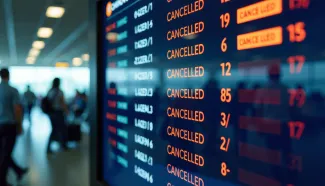
Aviation analytics firm One Mile at a Time reported that airlines axed 120 of the 22,613 departures initially scheduled from UK airports in May, equivalent to 0.53% of the total. That might sound small, but here's the thing: June's already seeing reductions too. The number of outbound flights planned for next month dropped by 36 compared to a week ago, a 0.2% cut that translates to 7,972 fewer seats available. And we're heading into peak travel season. The final week of May typically sees a surge in bookings as families gear up for summer holidays and business travelers squeeze in trips before June conferences kick off. Instead, capacity's shrinking.What's Driving the Cancellations
Jet fuel prices have been climbing steadily, and airlines are feeling it where it hurts most: their operating budgets. Fuel typically represents 30 to 35% of an airline's costs, so even a moderate spike in prices can turn profitable routes into money losers pretty quickly. The supply side isn't helping either. Global jet fuel inventories have tightened, and there are growing concerns about shortages at key UK hubs. When airlines can't count on steady, reasonably priced fuel access, they start making hard calls about which flights to keep and which to cut. Short-haul European routes, which operate on thin margins to begin with, are especially vulnerable. This isn't some abstract market fluctuation travelers can ignore. Those 120 cancelled May flights and the capacity drops in June represent thousands of passengers who've had their plans upended. Some will get rebooked; others will scramble for alternatives or just cancel their trips entirely.Are More Cuts Coming?
Here's where it gets tricky. The fact that June schedules are already being trimmed, even before May's over, suggests airlines expect these conditions to persist. They're not making these cuts because they want to; they're doing it because the economics aren't working. If fuel prices keep climbing or supply concerns deepen, we could see additional reductions ripple through summer schedules. Airlines typically finalize schedules months in advance, but when costs spike unexpectedly, they'll pull flights rather than operate at a loss. That's especially true for leisure-heavy routes where price sensitivity is high and travelers won't absorb big fare increases. The broader question is whether this is a short-term blip or the start of something more sustained. Fuel markets are notoriously volatile, and geopolitical factors, refining capacity, and seasonal demand all play roles. But airlines don't have much wiggle room right now; many are still recovering financially from pandemic losses and can't afford to absorb prolonged fuel cost increases without passing them along to passengers or cutting service.The Booking Calculus Just Changed
If you've got UK travel planned for late May or June, now's the time to check your flight status obsessively. Airlines are required to notify passengers of cancellations, but the earlier you know, the more rebooking options you'll have. Consider booking refundable fares or adding travel insurance if you're planning trips in the coming months. Yes, it costs more upfront, but if we're entering a period where last-minute cancellations become more common, that flexibility could save you serious money and hassle. Also worth noting: this isn't just a UK problem. Jet fuel prices and supply concerns are global issues, which means other markets could see similar capacity reductions if conditions don't improve. Keep an eye on load factors and fares; if you're seeing unusually high prices or limited availability on routes that are normally well-served, it might be a sign that airlines are cutting back elsewhere too. The bottom line? Airlines are making defensive moves now because they see storm clouds ahead. As a traveler, you should probably be thinking defensively too. Book early, stay flexible, and don't assume that flight you're eyeing for August will still be there in a few weeks.More travel news
Disruptive Flyers Face Industry-Wide Travel Ban
LONDON, United Kingdom - Ministers consider cross-airline ban system to curb persistent disruptive behavior, drawing on India's unified no-fly model.

Luxury Watches Make Travelers Targets for Knife Attacks
LONDON, England — Wearing a high-end timepiece in major tourist destinations now carries significant risk of violent robbery, as organized crime groups treat luxury watches as portable cash.

UK Travelers Face New Greece Entry Rules Starting May 2026
LONDON, United Kingdom - The European Union Entry and Exit System went live May 4, 2026, triggering a UK Foreign Office update for all travelers flying to Greece and its islands.

UK Airlines Can Scrap Flights as Fuel Crisis Looms
London, United Kingdom - Airlines can now cut flights with two weeks' notice without penalty as government prepares for potential jet fuel supply disruptions.

About the Author

Bob Vidra
Bob Vidra, based in scenic Tahoe, is an esteemed tech editor known for his deep understanding of the dynamic intersection of technology, travel, and the outdoors.