
Stay current with our travel industry news coverage.
The U.S. State Department has updated its Saudi Arabia travel advisory, retaining the country at Level 3, Reconsider Travel, while adding restrictions on U.S. government employees, according to a Sept. 16, 2026, report by Shafaq News. The advisory cites Iranian missile and drone attacks, armed conflict and terrorism.
This was not an increase in Saudi Arabia’s nationwide advisory level. The change was in the restrictions accompanying it, against a backdrop of attacks and security alerts. Shafaq News reported that areas along the Yemen border remain at Level 4, Do Not Travel, and that the advisory also warns of falling debris from intercepted projectiles and possible commercial-flight disruptions.
Saudi Arabia travel restrictions: Who is affected
According to Shafaq News, U.S. government employees are barred from traveling within 20 miles (32 kilometers) of the Yemen border and from making nonessential trips to Qatif. In its account of the employee restrictions, the publication also reported that travel to Qatif, Jizan, Asir and Najran requires special authorization.
Those provisions need to be read separately from the guidance for other Americans. The employee restrictions govern government personnel; they should not be read as a Saudi entry prohibition for American visitors. For Americans generally, the State Department’s reported instruction is not to travel to the areas along the Yemen border designated Level 4.
The distinction matters when reviewing an itinerary. The national Level 3 designation does not replace the more severe warning covering the border area. Nor should the authorization requirement reported for the named destinations be treated as a tourist permit process. Shafaq News places it within its discussion of government employee restrictions, not visitor entry rules.
For a traveler deciding whether to proceed, the unchanged national rating is only part of the information. The added employee restrictions and the separate border warning deserve attention on their own, particularly where a planned route includes the destinations named in the update.
Missile risks extend beyond the Yemen border
The advisory’s reported concerns are not confined to the immediate frontier. Shafaq News said the State Department warned about Iranian missile and drone attacks, debris from interceptions and possible disruption to commercial flights. An interception is therefore not the same as an absence of danger on the ground; falling debris is itself one of the hazards identified in the warning.
Reporting from Sept. 15 shows why travelers should not read this solely as a remote-border issue. According to Reuters’ report that day, Saudi Arabia issued security alerts across a range of territory, including Mecca and Jeddah, after a week of attacks from Iran-aligned fighters.
Reuters reported that those alerts were swiftly lifted. Saudi authorities did not immediately report whether incoming projectiles had landed, and there was no immediate claim of responsibility. The alerts should not be described as confirmation that those cities were hit. They do establish that the security response reached major destinations beyond the border zone.
For existing bookings, the flight warning is the most direct operational concern in the advisory as reported. It identifies possible disruption, not a confirmed suspension of commercial service. That distinction leaves the operation of any particular booking uncertain rather than establishing that flights have stopped.
Fighting provides context for the advisory update
According to Reuters’ Sept. 16 report, Houthi fighters had repeatedly fired into Saudi Arabia over the preceding week, triggering alarms in cities in the south and west. Reuters also reported the new U.S. prohibition on government employee travel within 20 miles of the Yemen border.
Houthi military spokesman Yahya Saree said the group had launched fresh drone and missile strikes on Yanbu, a major Saudi Red Sea oil port, and a southern Saudi airbase at Khamis Mushait, according to Reuters. He did not specify when those strikes occurred. Reuters reported that both cities were among the locations placed under alert the previous day and that Saudi officials and Aramco did not immediately respond to requests for comment.
Those attack claims came from a party to the fighting, rather than independent confirmation of their timing, damage or operational effects. They should not be taken as confirmation of effects on tourist facilities or transport services.
Reuters also reported that officials in the Saudi-backed government controlling southern Yemen acknowledged that their forces and Saudi forces were conducting airstrikes on Houthi positions. Riyadh had not itself confirmed those operations. That reporting provides context for the armed-conflict warning without establishing that every destination in Saudi Arabia faces identical conditions.
Departure risks are not limited to flights
The update also carries warnings unrelated to incoming weapons. According to Shafaq News, the State Department cautioned that Saudi authorities may impose exit bans over legal, financial or family disputes. It also warned of possible detention over social-media activity considered critical or disruptive to public order.
These are separate considerations from an airline’s ability to operate. A functioning flight does not resolve a legal restriction on departure. Travelers assessing whether to keep a booking need to distinguish the conflict-related transport warning from the advisory’s warnings about detention and exit bans.
The decision should rest on the full update, not just the number at the top. Saudi Arabia remains at Level 3, but the reported guidance includes a Level 4 border zone, tighter government employee movement rules, possible flight disruption and legal risks that can affect departure. An unchanged nationwide rating is not an all-clear.
More travel news
Russia Travel Advisory Stays at Level 4 Amid Suspected Plague Inquiry
The State Department continues to advise U.S. citizens against travel to Russia and urges those already there to leave; the suspected plague death is unconfirmed.

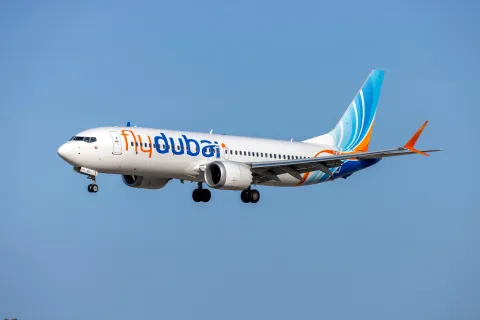
Flydubai passengers reach Tel Aviv after cockpit attack
Passengers reached Tel Aviv after Israeli officials said passengers and crew stopped a co-pilot’s attempt to crash Flight FZ1073.
Italy Travel Advisory Update Keeps Level 2 Rating
The State Department revised its Sept. 10 summary without raising Italy’s Level 2 rating, advising Americans visiting the country to stay alert to terrorism and opportunistic theft.

U.S. Level 3 Advisory Covers Dubai and Abu Dhabi
The nationwide Level 3 advisory is not a travel ban; Americans can still visit Dubai and Abu Dhabi but should assess the risks and prepare for possible flight changes.

About the Author

Jeff Colhoun
Jeff Colhoun is a photographer and filmmaker whose work has appeared in The Wall Street Journal, the Los Angeles Times, Matador Network and Barron’s.