Stay current with our hotel news coverage.
Summer Snow Hits Yellowstone Days Before July 4 Rush
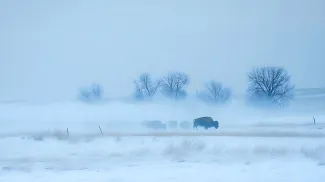
YELLOWSTONE NATIONAL PARK, Wyo. - A late-June snowstorm forced temporary road closures across higher elevations of Yellowstone National Park this week, upending travel plans for visitors who expected typical summer conditions. The timing compounded the disruption: the closures came just days before the July 4 weekend, which was expected to draw heavy crowds celebrating America's 250th birthday and taking advantage of the summer season in the world's first national park, according to Bloomberg. The event served as a sharp reminder that summer in the Rockies doesn't guarantee summer weather, particularly at elevations where snow remains possible year-round. "Yellowstone and any high-elevation spot in northwest Wyoming can see snow any time of the year," Lance Vanden said, according to Bloomberg. Cowboy State Daily reported that Beartooth Highway, U.S. 212, an All-American Road that climbs nearly 11,000 feet and connects Red Lodge, Montana, to Yellowstone's Northeast Entrance, was closed pre-emptively on a Sunday afternoon in late June as the storm approached. Inside the park, Dunraven Pass, the road linking Tower Junction and Canyon Village, shut down Monday morning due to accumulating snow and hazardous, slick pavement, according to Unofficial Networks.Multiple High-Elevation Routes Impacted
High-elevation corridors near Yellowstone received between one and six inches of snow during the storm, which was driven by a cold front that swept across northwest Wyoming, southwest Montana and central Idaho, pushing snow levels down to approximately 7,000 feet, Unofficial Networks reported. At Top of the World Resort, located at about 9,400 feet on the Beartooth Highway, staff reported roughly three inches of accumulation. National Weather Service forecasts had warned of four to eight inches of heavy, wet snow across many high-elevation zones, with higher peaks in Montana's Anaconda Pintler Mountains potentially receiving 12 to 16 inches, according to Cowboy State Daily. The storm created what meteorologists described as winter weather conditions in late June. "There's an upper-level low over Montana," Tessa Stetzr said, according to Bloomberg. Temperatures dropped sharply during the storm. At Old Faithful, the high reached only about 44 degrees Fahrenheit during the snow event, a far cry from the summer warmth visitors typically associate with late June, Unofficial Networks reported. Forecasts for the broader Yellowstone Country region, including West Yellowstone, called for continued cool, unsettled weather between June 28 and July 4, with daytime highs in the 40s to 60s and nighttime lows in the 30s to 40s, according to Cowboy State Daily. Despite the mountain pass closures, Yellowstone's main entrances remained open. Visitors could still reach Cooke City and the Northeast Entrance via Wyoming Highway 296, the Chief Joseph Scenic Byway, which provided an alternative route around the closed Beartooth section, Cowboy State Daily reported.The Altitude Factor Travelers Often Underestimate
Most of Yellowstone sits at 6,000 feet or higher, and the National Park Service notes that visitors should not get too comfortable with summer assumptions, according to Bloomberg. The park's high-elevation geography makes it vulnerable to rapid weather shifts that can bring winter conditions even during peak tourist season. The late-June 2026 snowstorm was anomalous in timing but not unprecedented in terms of mountain climatology. Forecasters emphasized that snow is climatologically possible any month of the year at Yellowstone's altitude, particularly on roads like Beartooth Pass and Dunraven Pass that sit between 8,000 and nearly 11,000 feet, Unofficial Networks reported. Regional travel information for West Yellowstone had warned visitors planning trips between June 28 and July 4 to "anticipate possible road closures due to inclement weather and dangerous driving conditions," according to Cowboy State Daily. That guidance proved prescient. Visitor safety guidance highlighted that traffic accidents are the leading cause of injuries and fatalities in Yellowstone, urging slow driving, increased following distance and strict adherence to road signs, especially when snow and ice are present, Cowboy State Daily reported.What This Changes for Summer Travel Planning
This storm should recalibrate how travelers prepare for high-elevation national parks, even in what looks like deep summer on the calendar. A July 4 weekend trip to Yellowstone isn't a beach vacation; it's mountain travel, and that carries weather risk year-round. The immediate disruption affected more than convenience. Beartooth Highway is one of the most celebrated scenic drives in the country, a bucket-list route for photographers and road-trippers. Dunraven Pass offers critical access between major visitor hubs inside the park. Closures on both routes, just before the busiest holiday of the summer season, didn't just strand travelers; they compressed traffic onto fewer corridors, strained gateway towns that depend on July 4 visitation, and likely forced last-minute itinerary changes for thousands of visitors who had booked lodging, planned wildlife viewing or scheduled photography shoots around specific routes. For travelers heading to Yellowstone or similar high-altitude destinations in the Rockies, this event underscores three operational realities. First, pack for winter even in July. That means layers, rain gear and cold-weather essentials in the vehicle, regardless of what the forecast says when you leave home. Second, build flexibility into your itinerary. Roads can close with little notice, and alternate routes may add hours or change your plans entirely. Third, rely on real-time information. National Park Service road reports, state transportation hotlines and weather updates from the National Weather Service are not optional reading; they're essential tools for safe travel in high country. The broader context matters too. Climate variability in mountain environments means these kinds of disruptions are part of the operating environment, not freak occurrences. The infrastructure that serves Yellowstone, spectacular mountain roads included, is inherently vulnerable to sudden weather shifts. Travelers who understand that and plan accordingly will have better, safer trips. Those who assume summer means predictable conditions will continue to be caught off guard.More travel news
United Unveils Boston to Jackson Hole Ski Nonstop
BOSTON, United States - United Airlines is adding a short-run nonstop to Jackson Hole, giving New England skiers a direct flight during the core 2026-27 winter season.
Yellowstone Tops Rocky Mountain Parks With 4.76M Visitors
ROCKY MOUNTAINS, North America - Five iconic parks along the 3,000-mile mountain chain welcomed record crowds in 2025, from Wyoming's thermal features to Alberta's alpine wilderness.
Yellowstone Tourons Risk Lives Approaching Wild Animals
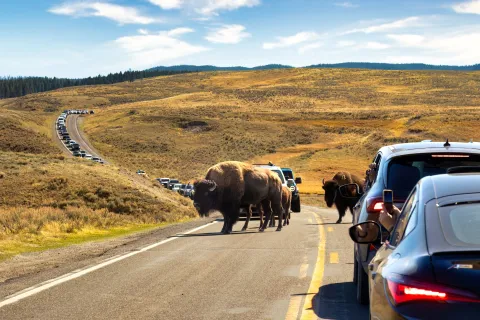
YELLOWSTONE NATIONAL PARK, Wyo. - Tourists dangerously approaching bison and other wildlife have become so common that social media has coined a blunt term: tourons.
Tetons Become Your Wellness Sanctuary This Summer
Jackson Hole, Wyoming - Four Seasons Resort and Residences Jackson Hole launches curated summer wellness experiences that harness the Teton Range's natural majesty to foster balance and renewal.
About the Author

Jeff Colhoun
Jeff Colhoun is a photographer and filmmaker whose work has appeared in The Wall Street Journal, the Los Angeles Times, Matador Network and Barron’s.