Stay current with our travel events coverage.
The Cost of Ignoring Boundaries
Hawaii Volcanoes National Park sits atop one of the world's most active volcanic systems. The landscape shifts constantly. Ground that seems stable can collapse into lava tubes or superheat without warning. Volcanic gases concentrate in pockets invisible to the untrained eye. Cliffs fracture. New vents open. The environment is as unpredictable as it is spectacular, and that's precisely why large sections remain off limits to the public. The recent fatality follows a well-worn script. A visitor ventures past clearly marked barriers into a restricted zone. Something goes catastrophically wrong. By the time rescue teams respond, it's too late. Park staff are left managing recovery operations in conditions they've spent years warning people to avoid. The tragedy has prompted renewed warnings from park officials about the very real dangers present in off-limits areas. These aren't bureaucratic overreactions or liability theater. The restrictions exist because people have died before, and because the geological conditions that killed them haven't changed.Why Tourists Keep Crossing the Line
Part of the problem stems from how we've trained ourselves to experience destinations through screens. The desire for unique content, for shots no one else has captured, drives risky behavior. Volcanic landscapes offer dramatic backdrops: glowing lava flows, steam vents, fractured earth exposing molten rock. The visual payoff seems worth the risk, until it isn't. There's also a troubling disconnect between perception and reality. Many visitors arrive at volcanic parks with expectations shaped by controlled environments elsewhere. Theme parks have railings that keep you safe while letting you feel close to danger. Zoos put glass between you and the predators. But Hawaii Volcanoes National Park isn't engineered for safety. It's a living, active geological system where the hazards are real, immediate, and often invisible until they're fatal. Some tourists simply don't believe the warnings apply to them. They've seen others break the rules without consequence. They rationalize that a quick trip beyond the barrier won't hurt, that they'll be careful, that they're different from the reckless tourists who get hurt. Survivor bias is a hell of a drug, especially when combined with vacation confidence and a smartphone camera.What Actually Lies Beyond the Barriers
The restricted areas at Hawaii Volcanoes National Park aren't cordoned off to preserve pristine views for future generations. They're closed because the ground can give way without warning. Because toxic gases accumulate at lethal concentrations. Because lava benches collapse into the ocean. Because new fractures open suddenly, exposing superheated material inches below the surface. First responders who work these incidents face conditions most emergency personnel never train for. Volcanic terrain doesn't accommodate standard rescue protocols. Access routes shift. Air quality deteriorates rapidly. The same hazards that killed the victim threaten the teams trying to recover them. Every barrier violation creates a cascade of risk that extends far beyond the individual who crossed it. Park rangers spend an outsized portion of their time managing barrier breaches. Resources that could support education, conservation, and legitimate emergency response get diverted to babysitting adults who've decided the rules don't apply to them. It's a grind that wears on staff who entered the profession to protect natural resources, not to police grown adults with poor judgment.Implications for Volcanic Tourism
This death will likely prompt renewed discussions about how parks balance access with safety. Some will call for more barriers, more enforcement, stricter penalties for violations. Others will argue that increased restrictions punish responsible visitors for the actions of a reckless few. Both perspectives miss the fundamental problem: no amount of infrastructure stops someone determined to ignore it. What might change is how parks communicate risk. Generic warning signs clearly aren't cutting through. Perhaps more graphic, specific language about what actually happens when the ground collapses or when you inhale superheated volcanic gases. Maybe real-world case studies posted at trailheads, describing previous fatalities in clinical detail. Information that treats visitors like adults capable of understanding consequences rather than children who need to be protected from themselves. The challenge for park officials is that most visitors will never cross a barrier, will never put themselves at risk, will never require rescue. But it only takes one person ignoring one warning to create a tragedy that affects families, strains resources, and forces difficult conversations about whether certain areas should remain accessible at all.What Travelers Need to Understand
If you're planning a trip to Hawaii Volcanoes National Park or any active volcanic zone, understand that the barriers exist for reasons far more serious than liability management. The risks are real, immediate, and often invisible until it's too late to react. Stay within designated areas. Follow ranger guidance. Accept that some of the most dramatic features will remain off-limits, and that's not a failure of the park system but a recognition of geological realities. The view from behind the barrier might not be as dramatic, but it comes with the significant advantage of not killing you. This latest death serves as a grim reminder that natural wonders command respect, not just admiration. The volcanic systems that created Hawaii continue to shape it, indifferent to tourism calendars, social media trends, or individual risk tolerance. Ignore the warnings if you want, but understand you're not outsmarting the system. You're just volunteering to become the next cautionary tale.More travel news
Kauai Plans Park Closures as Hurricane Lowell Approaches
Tropical storm warnings and hurricane watches are in effect for Kauai and Niihau; Kauai plans park and campground closures, and travelers flying there should check flight status.
Hawaii Probes Sixth Cyclospora Case With No Travel
HONOLULU, Hawaii - A sixth cyclosporiasis case, involving an Oʻahu resident with no recent travel, puts Hawaii inside a major national parasite investigation.
Hurricane Watch Threatens Big Island Saturday Flights
HILO, Hawaii - Tropical Storm Lala could approach the Big Island near hurricane strength Saturday, raising flood, surf and flight disruption concerns.
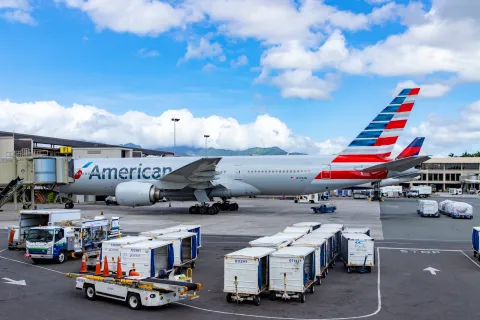
American Airlines Flew Uncertified Plane to Hawaii
LOS ANGELES, United States - A dispatch software failure sent the wrong A321 variant 3,000 km over the Pacific on Flight 31, prompting an FAA probe and emergency fixes to American's fleet-assignment system.
About the Author
Jeff Colhoun
Jeff Colhoun is a photographer and filmmaker whose work has appeared in The Wall Street Journal, the Los Angeles Times, Matador Network and Barron’s.