Stay current with our travel events coverage.
Thailand Tightens Drunk Driving Enforcement in Tourist Zones
PATTAYA, Thailand — The Royal Thai Police have escalated enforcement of their zero-tolerance drunk driving policy across Pattaya and other major tourist destinations, warning travelers and residents that the era of verbal cautions is over. As of November 1, 2023, authorities shifted to immediate arrest and prosecution for any driver showing alcohol in their system, a hardline stance that reflects mounting pressure to address Thailand's persistent road safety crisis in areas flooded with international visitors. The policy shift comes with clear consequences for anyone behind the wheel after drinking. Refusing a breathalyzer test now carries the same legal weight as a positive result under Thai law, eliminating a common evasion tactic. This enforcement upgrade aligns with the 2026 fiscal policy directives from Police Chief Kitrat Phanphet, which prioritize intensified crackdowns in high-traffic tourism corridors including Phuket, Koh Samui, and Krabi.What Changed on the Ground
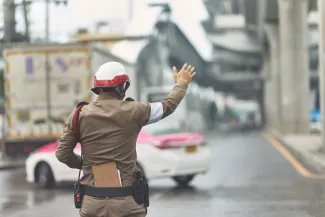
The practical shift is straightforward: checkpoints that previously issued warnings now process arrests. Traffic police have set up permanent monitoring stations at strategic points across Pattaya, particularly along Beach Road, Second Road, and the approach roads to Walking Street. Similar deployments have appeared in Patong, Chaweng, and Ao Nang, where nightlife zones generate predictable traffic flows of potentially impaired drivers. One recent case underscores the new enforcement reality. Police arrested a driver in Pattaya whose breathalyzer registered 126 milligrams percent, well above Thailand's legal threshold. In previous years, such an incident might have resulted in a roadside fine or even a verbal warning depending on the officer's discretion and the driver's nationality. Under current protocols, arrest and vehicle seizure are standard procedure regardless of who you are or where you're from.Why Thailand Pushed This Now
The timing reflects Thailand's post-COVID tourism rebound and the traffic chaos that followed. Visitor arrivals surged through 2023 and 2024, particularly in beach destinations where rental scooters, inexperienced foreign drivers, and abundant cheap alcohol create a dangerous mix. Road fatalities involving tourists had climbed steadily, with drunk driving consistently flagged as a primary factor. Thailand's road death statistics have long ranked among the world's worst. The government faced sustained criticism from international safety organizations and pressure from within its own tourism sector, which recognized that high-profile accidents involving foreign nationals damaged the country's reputation. The zero-tolerance policy represents an attempt to break a cycle that verbal warnings and sporadic enforcement had failed to disrupt.What Travelers Need to Know
If you're planning to drive in Thailand, particularly in tourist areas, understand that any detectable blood alcohol content triggers arrest. The legal limit effectively sits at zero under enforcement guidelines, even though Thailand's formal threshold is 0.05 percent. Officers operate under instructions to arrest first and process legal distinctions later. Penalties include fines ranging from 5,000 to 20,000 baht, jail sentences from six months to one year, license suspension for six to twelve months, and vehicle impoundment. For tourists driving rental scooters or cars, impoundment creates an immediate logistical nightmare involving rental companies, insurance disputes, and potential additional fees. Refusing a breathalyzer compounds the problem. Thai law treats refusal as an admission of guilt, stripping away any defense based on actual blood alcohol levels. You lose negotiating room and face the same penalties as someone who blew well over the limit.Enforcement Expansion Beyond Pattaya
The crackdown extended nationwide by March 2024, with Pattaya serving as a pilot zone for AI-enabled traffic cameras that flag erratic driving patterns and feed real-time alerts to checkpoint teams. By February 2025, authorities launched the Safe Thailand app, allowing both locals and tourists to report unsafe drivers directly to police, creating a crowdsourced surveillance network that supplements traditional checkpoints. Highway law amendments effective January 2026 added two-year jail terms for repeat offenders, a significant escalation that signals long-term commitment to enforcement. These changes layer onto the November 2023 foundation, creating a progressively tighter net around impaired driving.Economic Pushback and Industry Concerns
Not everyone views the policy as progress. Sorathep Rojpotjanaruch, chairman of the Thai Restaurant Business Association, warned that "those who signed it may not realise how much damage it will cause to the tourism and service economy," according to industry statements. Restaurant and bar operators argue that overly aggressive enforcement discourages tourism spending and threatens livelihoods in hospitality-dependent zones. Separate alcohol sales restrictions effective November 8, 2025, banned sales from 2 p.m. to 5 p.m. and midnight to 11 a.m., with consumer fines up to 10,000 baht for violations. Chanin Rungtanakiat, deputy secretary-general of the Pheu Thai Party, called the midday ban "unnecessary and outdated," reflecting broader industry frustration with layered alcohol regulations that complicate business operations.Practical Travel Adjustments
For photographers, journalists, and adventure travelers working in Thailand's tourist zones, the policy demands recalibration. Evening shoots in nightlife districts now require alternative transportation arrangements. Rental scooters, the default mobility tool across Thai beach towns, become unusable after any alcohol consumption. Taxis, ride-sharing apps, and designated drivers are no longer conveniences but necessities. Expect checkpoints to increase during high-traffic periods: weekends, public holidays, and major festivals like Songkran. Police prioritize tourist zones where international visitors concentrate, meaning Pattaya, Phuket, and Samui see heavier enforcement than rural provinces. The alcohol laws have existed for years, not always enforced, but the Thai government now wants to strengthen these laws aimed at locals as well as tourists. That shift in enforcement culture is what changed in November 2023, and it shows no sign of reversal.More travel news
Oil Prices Threaten Gen Z Thailand Tourism Plans
BANGKOK, Thailand — Rising oil prices could deter young travelers to Thailand, the tourism permanent secretary warns, as foreign arrivals from key markets struggle to recover to pre-pandemic levels.

Wild Elephant's Deadly Rampage Claims Tourist Life
KHAO YAI, Thailand — Third fatal attack by same elephant prompts authorities to consider relocation as wild elephant numbers double in decade.

Thailand targets UFO fans to hit 3tn baht by 2026
BANGKOK, Thailand — TAT unveils ambitious plan to reach 3 trillion baht in tourism revenue by promoting wellness packages and targeting UFO enthusiasts alongside traditional markets.

French Tourist Dies Taking Selfies at Thai Waterfall
KOH SAMUI, Thailand — A 22-year-old French tourist fell to his death at Na Muang 2 waterfall Monday, the latest selfie-related fatality at popular Thai waterfalls.

About the Author

Jeff Colhoun
Jeff Colhoun is a photographer and filmmaker whose work has appeared in The Wall Street Journal, the Los Angeles Times, Matador Network and Barron’s.