Stay current with our airline news coverage.
The Conflict That Grounded the World
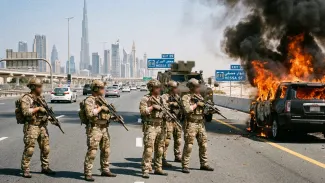
The recent escalation between the U.S., Israel, and Iran didn't just make headlines. It made flights disappear. Airspace closures, rerouted aircraft, suspended operations across multiple regions. The kind of disruption that ripples outward fast and doesn't care about your conference in Dubai or your connection through Istanbul. Travelers scrambled. Airlines issued waivers, some more generous than others. Rebooking queues stretched for hours. And amid all that, a common refrain emerged: "But I have travel insurance." Except it didn't matter.Why War Is Never Covered
Travel insurance policies, across nearly every provider and tier, contain what's known as a war exclusion. It's standard language. It's not hidden, but it's rarely front of mind when you're clicking through to protect a beach vacation or a quick business trip. The exclusion applies broadly. It covers declared wars, undeclared conflicts, military actions, acts of terrorism tied to broader hostilities, and civil unrest that escalates to armed conflict. If the cause of your disruption traces back to geopolitical violence, your policy won't pay out. Not for your cancelled flight. Not for the hotel you couldn't reach. Not for the expenses you incurred trying to get yourself out. The reasoning is actuarial. War is unpredictable, widespread, and catastrophic in scale. Insurers can't model it the way they model a hurricane or a medical emergency. The potential liability is unlimited. So they exclude it entirely.What This Looks Like in Practice
This week's conflict illustrated the gap in brutal clarity. Travelers found themselves stranded not because they were in a war zone, but because the infrastructure they relied on was affected by one. Flights didn't take off. Airspace shut down. Airlines suspended service to entire regions. And yet, those travelers couldn't claim compensation under trip interruption, trip cancellation, or emergency evacuation coverage. The proximate cause was conflict. That's where the coverage stops. For expedition travelers, journalists, photographers, and anyone working or traveling in regions adjacent to instability, this isn't news. It's a known risk. But for the average traveler caught in the crossfire of global events, it's a shock. The assumption that insurance covers "unforeseen events" runs into the reality that some events are simply too big, too volatile, or too geopolitical to insure.What Travel Insurance Actually Covers
It's worth clarifying what you do get. Standard travel insurance covers trip cancellation or interruption due to illness, injury, death of a family member, natural disasters, airline bankruptcy, and certain other defined events. Some policies include "cancel for any reason" riders, which offer partial reimbursement if you back out for a reason not otherwise covered. But even those have limits, and war is almost always excluded. Emergency medical coverage applies if you're injured or fall ill abroad. Evacuation coverage can get you out if you're in a natural disaster zone or facing a medical emergency. But if the reason you need evacuation is armed conflict, that coverage typically evaporates. Travel delay and baggage coverage apply to logistical failures: missed connections, lost luggage, weather delays. But again, if the delay stems from airspace closure due to military action, you're on your own.What Travelers Can Do
The first step is knowing the exclusion exists. Read your policy. Understand what "act of war" means in insurance terms. It's broader than you think. If you're traveling to regions where geopolitical risk is elevated, consider that your insurance won't cover conflict-related disruptions. That means budgeting for contingencies, booking refundable rates when possible, and having backup plans that don't rely on a payout. Some specialized providers offer political risk insurance or kidnap and ransom coverage, but those are designed for corporate travelers, journalists, and NGO workers operating in high-risk zones. They're expensive, narrowly tailored, and not intended for leisure travel. For most travelers, the takeaway is simple: if war breaks out, you're bearing the cost. Your airline might issue a waiver. Your hotel might refund you. But your insurance policy won't be the safety net you thought it was.A Hard Lesson This Week
The conflict between the U.S., Israel, and Iran is still unfolding. The travel disruptions may ease or worsen. But the lesson is already clear. Travel insurance is a valuable tool, but it has limits. War is one of them. And in a world where geopolitical tensions flare without warning, that's a gap every traveler needs to understand before they board the plane.More travel news
U.S. Customs and Border Protection to End Routine Passport Stamps
CBP announced routine passport stamping will end during primary inspection, with limited exceptions; foreign visitors can access admission and authorized-stay details through I-94 or CBP Link.

United Flight Attendants Can Refuse ICE Questions
Washington, United States - United flight attendants were told they may remain silent when ICE asks about passengers or coworkers as airport arrests increase nationwide.
Airlines Put Elite Status on a Higher Price Tag
NEW YORK, United States - Delta, United and other major airlines are raising elite status hurdles, leaving frequent flyers on discounted fares with less credit.

Carnival Rewards Sets Sail With Spending Based Status
Carnival Rewards ties cruise status to eligible spending while keeping separate recognition for lifetime sailing days.
About the Author

Wilson Montgomery
Wilson Montgomery is a Travel Writer at Jetsetter Guide covering Africa and safari travel.