Stay current with our airline news coverage.
What ETIAS Actually Means for Travelers
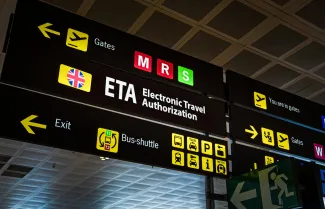
ETIAS will become a mandatory entry requirement for people traveling to any of 30 European countries, according to Travel. With a valid ETIAS authorization, travelers will be able to move freely within the Schengen zone for short-term stays, normally for up to 90 days in any 180-day period. However, it does not guarantee entry, a distinction that matters more than it might seem at first glance. Border officials retain full discretion to deny admission based on security concerns, documentation issues, or behavioral red flags. The authorization simply confirms that you've been pre-screened and cleared to board transport and present yourself at the border. Think of it as a green light to travel, not a promise of entry. For photographers, journalists, and expedition planners working across multiple European countries, the 90-in-180 rule becomes critical. Unlike a traditional tourist visa, which might reset upon exit, ETIAS follows the rolling 180-day calculation used throughout the Schengen Area. Overstay that window, even unintentionally, and you're looking at potential bans, fines, and serious complications on future trips.Which Countries Are Covered
Thirty European countries will require travelers to have an ETIAS travel authorization, according to Travel. That includes the most popular UK traveler destinations like Spain, Greece, France, Italy, and Portugal, but it also extends to less obvious entries like Iceland, Norway, and Switzerland, none of which are EU members but all of which participate in the Schengen travel zone. This creates a broader net than many casual travelers realize. A winter expedition to Svalbard or a photography assignment in the Swiss Alps will require the same advance authorization as a beach holiday in the Balearics. The system doesn't distinguish between leisure, business, or creative work; if you're entering for less than 90 days and you're not an EU citizen, you'll need ETIAS clearance. The system does not apply to Ireland, which remains outside Schengen and maintains its own Common Travel Area agreement with the UK. British travelers heading to Dublin or Belfast face no new requirements.Costs, Timing, and Practicalities
While the specific cost hasn't been finalized in available public materials, similar authorization systems in other regions typically run between €7 and €15 for adults, with minors often exempt or charged reduced fees. The application process is expected to be online, straightforward, and completed in minutes for most applicants. Approvals should arrive within hours, though complex cases or flagged profiles could take days. For travelers accustomed to booking last-minute flights to Barcelona or hopping over to Athens on short notice, this adds friction. You'll need to factor in processing time, even if it's minimal. Miss the authorization step and you won't board your flight, plain and simple. Airlines will be required to verify ETIAS status before issuing boarding passes, much like they currently check passport validity. Business travelers and bleisure professionals moving frequently between the UK and Europe should apply well ahead of their first trip and keep close track of authorization expiration dates. Most ETIAS permits are expected to remain valid for three years or until passport expiration, whichever comes first. That's a relief for frequent crossers, but it also means keeping another travel document current in an already crowded digital wallet.Why This Matters Beyond Bureaucracy
ETIAS represents a broader recalibration of how European authorities manage external border crossings in an era of heightened security concerns, migration pressures, and post-Brexit realignment. For UK travelers, it's a tangible reminder that the freedom of movement once taken for granted no longer applies. For expedition cruise operators running Arctic itineraries that touch Norwegian ports, or adventure travel companies leading groups through multiple Schengen countries, this introduces new compliance burdens. Every guest needs valid authorization. Miss one and you're looking at itinerary disruptions, refunds, and logistical chaos. Photographers working on assignment across Europe should treat ETIAS as mission-critical documentation, on par with visas, permits, and insurance. It's not optional. It's not negotiable. And unlike a forgotten lens cap, you can't fix it in the field. The system launches this year, though the exact go-live date remains unconfirmed in current reporting. That ambiguity is itself a planning challenge. Travelers with bookings in the second half of 2025 should assume ETIAS will be required and plan accordingly. Waiting for official confirmation before applying is a gamble no serious traveler should take. This is the new normal for UK-Europe travel. It's one more form to fill out, one more thing to track, and one more point of failure if ignored. Plan for it now, or deal with the consequences at the gate.More travel news
Italy and Spain Extend Reciprocal Border Checks
Passengers arriving in Italy from Spain may face random airport and seaport checks for 15 more days, while those entering Spain from Italy face checks through Oct. 8.

UK Flight Delays Continue After NATS Fixes System Fault
More than 2,000 flights were canceled, with delays affecting 15 UK airports and beyond; Heathrow said to travel only if a flight was confirmed operating.

September Becomes the New August for Luxury Villas
ATHENS, Greece - Haute Retreats says wealthy families are choosing September over August, prompting earlier bookings and sell-outs of fully staffed Mediterranean villas.

ETIAS Stays Offline as EU Holds Back Launch Date
BRUSSELS, Belgium - The EU has left visa-exempt travelers in limbo after confirming ETIAS is not operating and applications remain closed without a launch date.
About the Author

Jeff Colhoun
Jeff Colhoun is a photographer and filmmaker whose work has appeared in The Wall Street Journal, the Los Angeles Times, Matador Network and Barron’s.