Stay current with our airline news coverage.
Nepal Authorities Detain Six in Helicopter Rescue Insurance Scam
KATHMANDU, Nepal — On January 25, six individuals were arrested by Nepal's Central Investigation Bureau on charges of orchestrating insurance fraud through fake helicopter rescues of trekkers in the Himalayas. The arrests mark a renewed attempt to confront a scam that has drained millions from international insurers and raised serious questions about the integrity of Nepal's tourism infrastructure. The scandal involves a coordinated effort among trekking companies, helicopter operators, and medical facilities to stage unnecessary or entirely fabricated rescues. In some cases, no actual evacuation occurred; rescues were fabricated using false patient names and invented ailments. The fraud has generated insurance payouts exceeding $18 million over the past four years, tied to more than 300 fraudulent helicopter evacuations from base camps and trails across Nepal's Himalayan region, according to the Central Investigation Bureau.How the Scam Operated
The mechanics of the fraud were systematic and involved multiple layers of deception. Trekking operators, helicopter services, and hospitals allegedly worked together to inflate medical necessity, fabricate evacuations entirely, or exaggerate legitimate incidents into billable emergencies. False documentation included passenger manifests, fabricated medical invoices, hospital reports, and even forged medical imaging such as X-rays. In some instances, trekkers themselves were reportedly complicit, agreeing to participate in unnecessary evacuations in exchange for kickbacks or pressure from operators. These evacuations, billed to foreign travel insurance providers, generated inflated claims that insurers paid without sufficient scrutiny. The coordination required to pull off the scheme suggests a well-organized network that operated with impunity for years. The six individuals arrested include executives and managers from trekking and helicopter companies. The charges filed under Nepal's Organized Crime Act reflect the scale and premeditation involved. Authorities have indicated that the investigation is ongoing, with the possibility of additional arrests as investigators work to map the full scope of the network.Impact on Nepal's Tourism Reputation
Nepal's tourism industry, valued at approximately $2.5 billion and employing up to 1 million people, depends heavily on its reputation as a safe and well-regulated destination for adventure travelers. Trekking and mountaineering form the backbone of that economy, drawing tens of thousands of visitors annually to routes like the Everest Base Camp, Annapurna Circuit, and Manaslu Trek. The fraud scandal has drawn international media attention, with headlines highlighting systemic corruption in Nepal's mountain tourism sector. For travelers planning high-altitude treks, the news raises concerns about trust in local operators, the reliability of emergency services, and whether legitimate rescues might be delayed or compromised by operators focused on maximizing fraudulent claims rather than safety. Insurance companies have begun tightening policies in response. Some are now requiring GPS verification of rescues, detailed medical documentation from independent clinics, and direct communication with evacuated clients before approving claims. These changes add friction to legitimate emergencies, but insurers see them as necessary to stem fraud.Ongoing Risks for Travelers
This is not a new issue. The fake rescue scam first surfaced publicly in 2018, but enforcement was minimal and the practice persisted. The January arrests represent the most significant action taken to date, but they do not resolve the underlying incentives that drive the fraud. Helicopter rescues in Nepal are expensive, often costing several thousand dollars per flight, and international insurance policies covering trekking in the region present a lucrative target for unscrupulous operators. Travelers heading to Nepal for high-altitude trekking should take proactive steps to reduce their exposure. Choose operators with verifiable track records and transparent business practices. Avoid agencies offering unusually low prices or those that aggressively push insurance upgrades or rescue coverage as part of a package. Confirm that your travel insurance provider has direct billing arrangements with recognized hospitals in Kathmandu, and verify that your policy covers helicopter evacuation only when medically justified. If a guide or operator suggests a helicopter evacuation, insist on a clear medical justification and, if possible, seek a second opinion from another medical professional. Document the circumstances, take photos, and retain all paperwork. Legitimate rescues are life-saving; fraudulent ones can lead to denied claims, legal complications, and inflated premiums for future coverage.Government Response and Enforcement Challenges
Nepal's Central Investigation Bureau has signaled its intention to continue the investigation, with additional arrests possible as authorities analyze records from helicopter operators, trekking agencies, and clinics involved in the scheme. The challenge for enforcement lies in the fragmented nature of Nepal's tourism industry, where regulation is inconsistent and oversight is limited by resource constraints. Tourism boards and industry associations have called for tougher sanctions and structural reforms to prevent future fraud. Some have proposed mandatory GPS tracking for all rescue flights, independent medical verification before claims are filed, and stricter licensing requirements for helicopter operators and trekking companies. Implementation of these measures will require political will and sustained funding, neither of which is guaranteed in a country where tourism revenue is critical but governance capacity is often stretched thin.What This Means for Nepal's Tourism Industry
The arrests and the fraud they represent are damaging, but they also present an opportunity for reform. If Nepal can demonstrate that it is serious about cracking down on corruption and protecting both travelers and insurers, it may be able to restore confidence. If enforcement falters or the investigation stalls, the reputational damage will deepen, and travelers may begin looking elsewhere for adventure destinations that offer similar experiences with fewer systemic risks. For now, the message is clear: Nepal's tourism sector is under scrutiny, and travelers need to be more diligent than ever in vetting operators, understanding their insurance coverage, and recognizing the warning signs of fraud. The mountains remain as compelling as ever, but the infrastructure supporting access to them is compromised, and that reality demands a more cautious approach.More travel news
Nepal Opens Epic Himalayan Highway to Everest Base Camp
KATHMANDU, Nepal - Nepal transforms its iconic Everest Base Camp route into a premier high-altitude corridor, reshaping how international travelers experience the Himalayas.
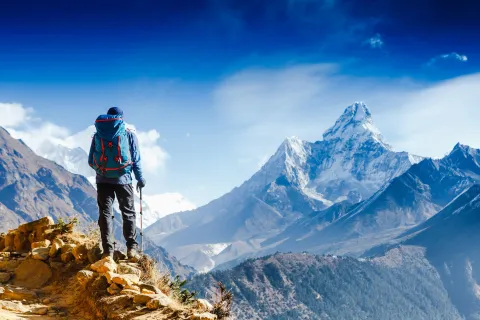
Everest Climbers Defy Ice Block and Soaring Costs
KATHMANDU, Nepal - Hundreds of climbers prepare to ascend Mount Everest this month despite an unstable ice block hanging over the trail, soaring costs, and a delayed season start.

Nepal eyes tourism rebound after Gen-Z protest havoc
Kathmandu, Nepal — Hoteliers outline recovery plans after September’s Gen-Z protests damaged nearly two dozen properties and dented traveler confidence.

Nepal's Tourism Reels After Deadly Anti-Graft Riots
Kathmandu, Nepal — Nepal tourism faces heavy cancellations after the Sept. 8–9, 2025 anti-graft riots left 72 dead and over 2,000 injured at the start of peak trekking season.

About the Author

Jeff Colhoun
Jeff Colhoun is a photographer and filmmaker whose work has appeared in The Wall Street Journal, the Los Angeles Times, Matador Network and Barron’s.