Stay current with our cruise news coverage.
Nepal Elevates the Classic Trek to Everest Base Camp
KATHMANDU, Nepal - On July 6, 2026, Nepal unveiled an enhanced travel experience connecting Kathmandu to Everest Base Camp, transforming one of the world's most iconic trekking routes into what officials are positioning as a premier high-altitude adventure spanning Tibet and the Himalayas, according to Reuters. The evolving Himalayan tourism network is understood to be redefining how long-haul international travel is structured across South Asia, Reuters reported. While specifics of the enhancement remain limited, the announcement signals Nepal's ambition to reimagine the classic Base Camp journey as something more than a standalone trek. For anyone who has ever dreamed of standing at the foot of the world's tallest peak, the Kathmandu–Everest Base Camp route has long been the holy grail of budget adventure travel. The question now is what this enhancement actually means for travelers planning trips on tight budgets, and whether the changes will open doors or price out the backpackers who have kept this route alive for decades.What the Enhanced Route Could Mean
The reference to Tibet and the Himalayas suggests Nepal may be packaging the traditional Everest Base Camp trek with cross-border elements, potentially incorporating Tibetan plateau journeys or coordinated access to the north side of Everest. That would be a significant shift. Right now, trekking to EBC from the Nepal side and visiting Tibet's Everest Base Camp are entirely separate trips requiring different permits, visas, and logistics. If Nepal has worked out agreements with China to streamline access, that could turn a fragmented set of experiences into a cohesive, multi-country adventure. But it also raises red flags for budget travelers. Cross-border coordination usually means more bureaucracy, higher permit fees, and the kind of packaged tour requirements that don't mesh well with the DIY ethos most backpackers rely on. The traditional Everest Base Camp trek from Lukla has remained relatively accessible because you can do it independently. You fly or bus to Lukla, hire a guide if you want one (or go solo if you're confident with maps and altitude), stay in tea houses for $5 to $10 a night, and keep your total cost under $50 a day if you're careful. The magic of that route has always been its simplicity: you show up, you walk, you sleep, you repeat. Any enhancement that adds infrastructure, premium services, or cross-border logistics could easily double or triple those costs. And that matters, because the budget travelers who have made EBC a rite of passage aren't looking for luxury. They're looking for the raw experience of high-altitude trekking without the price tag of a guided expedition.The Real Cost Question for Budget Trekkers
Here's what I'd want to know before booking a trek under this new framework: Are the tea houses still going to be the backbone of accommodation, or is Nepal pushing travelers toward higher-end lodges? Are permits going up in price? And most critically, will independent trekking still be allowed, or are they funneling everyone into organized group tours? If the enhancement includes better trail maintenance, more reliable communication infrastructure, or improved emergency evacuation routes, that's a win for everyone. Solo trekkers especially would benefit from better safety nets at high altitude. But if "premier" translates to mandatory guided tours, exclusive lodge partnerships, or bundled packages that eliminate budget options, then this stops being an enhancement and starts being a barrier. The mention of Tibet also complicates things. Right now, independent travel in Tibet is not allowed; you must join a tour and have a government-approved guide. If Nepal's enhanced route requires coordinated permits with Tibetan authorities, that could mean the entire Kathmandu–EBC experience shifts toward the Chinese model, where flexibility dies and package tours rule. That would be a shame. The backpacker trail through Nepal has thrived precisely because it lets you move at your own pace, change plans on the fly, and keep costs low by making your own choices. Turning it into a curated, cross-border product might attract high-spending tourists, but it risks gutting what made the route special in the first place. For now, my advice is to watch how this rolls out. If you've been putting off an EBC trek, this might be the moment to lock in your plans before prices climb or regulations tighten. The classic route isn't going anywhere yet, but the window for doing it the old way, on a shoestring budget with maximum freedom, might be narrowing. Nepal has every right to evolve its tourism infrastructure, and there's nothing wrong with wanting to attract travelers willing to pay more. But the best travel experiences have always balanced access with preservation, and budget travelers have always been the ones willing to meet destinations on their own terms, spending less money but more time, more respect, and more genuine curiosity. The hope is that whatever this enhancement turns out to be, it doesn't forget the trekkers who've been showing up with worn-out boots and 40-liter packs for the last 30 years. Because they're the ones who tell the stories that make everyone else want to go.More travel news
Everest Climbers Defy Ice Block and Soaring Costs
KATHMANDU, Nepal - Hundreds of climbers prepare to ascend Mount Everest this month despite an unstable ice block hanging over the trail, soaring costs, and a delayed season start.

Nepal Busts Fake Helicopter Rescue Scam Ring
KATHMANDU, Nepal — Six arrests expose a multi-year insurance fraud operation involving fake helicopter evacuations, forged medical records, and $18 million in fraudulent claims.
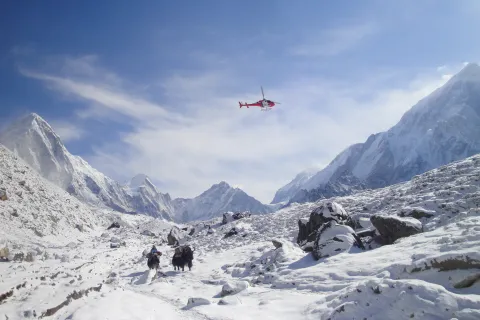
Tibet Opens 58,000 Sites to Boost Tourism Flow
LHASA, Tibet — Chinese authorities unveil sweeping tourism inventory following two-year survey, targeting dramatic expansion of domestic visitor numbers while the region remains restricted for international travelers.
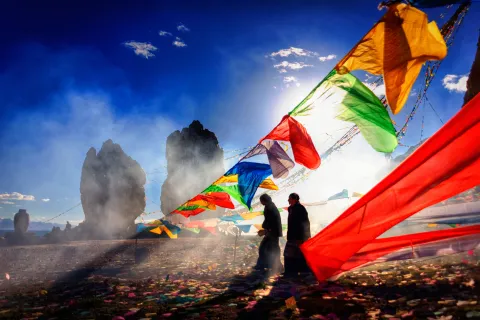
Nepal eyes tourism rebound after Gen-Z protest havoc
Kathmandu, Nepal — Hoteliers outline recovery plans after September’s Gen-Z protests damaged nearly two dozen properties and dented traveler confidence.

About the Author

Dana Lockwood
Dana Lockwood is a Travel Writer at Jetsetter Guide covering budget solo travel from her base in Denver, Colorado.