Stay current with our airline news coverage.
India Issues Venezuela Travel Advisory Following Maduro Capture
NEW DELHI, India — India's Ministry of External Affairs advised citizens to avoid non-essential travel to Venezuela on January 3, joining the United States, Canada, and other nations in responding to a major security event in the South American nation: the capture of President Nicolás Maduro during a significant US military operation. The MEA issued the advisory through its media center without specifying detailed reasons for the warning, instead citing "recent developments in the South American country and the rapidly evolving security situation there." Indian nationals already in Venezuela or planning travel were urged to exercise heightened caution as conditions remain fluid. The advisory comes in the wake of Operation Absolute Resolve, a pre-dawn US military strike across northern Venezuela that began around 2:00 a.m. local time on January 3. Over 150 aircraft targeted military installations near Caracas, including the Generalissimo Francisco de Miranda Air Base at La Carlota, Fort Tiuna, Higuerote Airport, La Guaira port facilities, and communication infrastructure on Cerro El Volcán. The strikes disrupted power in southern Caracas and cleared the way for Delta Force helicopters, supported by the 160th Special Operations Aviation Regiment and FBI Hostage Rescue Team personnel, to insert ground units at Maduro's compound. The entire operation lasted approximately 30 minutes, with one helicopter damaged but the mission completed successfully.Flight Cancellations and Airspace Closures Ripple Outward
The Federal Aviation Administration moved quickly to prohibit US aircraft from entering Venezuelan airspace due to "ongoing military activity," a designation that effectively halts commercial air traffic from American carriers and triggers reciprocal actions by other aviation authorities. Multiple countries followed suit with similar flight restrictions, creating immediate disruptions for travelers with connections through or to Venezuela. India does not operate direct flights to Venezuela, but the advisory affects Indian nationals transiting through regional hubs in Colombia, Panama, or the Caribbean with onward connections to Caracas or other Venezuelan destinations. The evolving airspace situation also complicates repatriation efforts for Indians already in the country, particularly those in the capital region where infrastructure remains compromised. The US Embassy, operating remotely from Colombia, issued shelter-in-place orders immediately after the operation began. Other diplomatic missions followed similar protocols, though specific instructions varied by location and nationality.Geopolitical Context Driving the Advisory
The operation stems from months of escalating US-Venezuela tensions. President Trump designated Venezuelan groups, including Tren de Aragua and the Cartel of the Suns, which US authorities allege is led by Maduro, as Foreign Terrorist Organizations. The US deployed the aircraft carrier USS Gerald R. Ford in November 2025, followed by tanker interceptions, a naval blockade, and CIA covert operations throughout December 2025. Trump publicly signaled potential military strikes in the weeks preceding the operation. Critics, including the Washington Office on Latin America, described the action as unilateral military intervention that violates both US constitutional war powers provisions and international law, noting the absence of a credible self-defense claim. The legal and diplomatic fallout remains uncertain, but travelers face the practical consequences regardless of the political debate.What Travelers Need to Know Now
For travelers holding tickets to Venezuela or transiting through the region, the guidance is straightforward: avoid the country entirely unless travel is absolutely necessary. Those already in Venezuela should maintain contact with their embassies, monitor official channels for updates, and prepare contingency plans for potential evacuation or extended stays if commercial flight options remain suspended. Indian nationals in Venezuela should register with the MEA's consular services and stay informed through the ministry's official communications. The nearest Indian diplomatic mission operates from Bogotá, Colombia, which adds logistical complexity for anyone requiring consular assistance on the ground. Airspace restrictions and military operations create cascading effects on regional travel. Even destinations not directly involved may experience flight delays, cancellations, or reroutes as airlines adjust operations around restricted zones. Travelers with bookings through Caribbean or Central American hubs should verify flight status directly with carriers and expect potential itinerary changes. Photography and media professionals planning assignments in the region face additional complications. Venezuelan airspace closure affects drone operations, aerial photography permits, and logistics for any crew-based production work. Military zones remain off-limits, and the security environment makes ground movement unpredictable. The evolving situation underscores a broader reality for travelers in politically unstable regions: conditions can shift faster than official advisories update. Venezuela's infrastructure challenges, economic instability, and now active military conflict create compounding risks that extend beyond immediate combat zones.Monitoring the Situation
The MEA's advisory reflects standard protocol when host-country security deteriorates rapidly, but the absence of specific details signals genuine uncertainty about how the situation develops. Other nations issuing parallel advisories suggests coordinated intelligence assessments pointing to sustained instability rather than a brief, contained operation. Travelers should expect the advisory to remain in effect for weeks, possibly longer, depending on post-operation stability, infrastructure restoration, and the political transition process now underway in Venezuela. Flight resumptions depend on FAA assessments, which typically follow conservative timelines after military actions of this scale. For now, Venezuela moves firmly into the category of destinations requiring constant monitoring, flexible booking policies, and realistic risk acceptance for anyone considering travel. The capture of Maduro marks a definitive shift in the country's trajectory, but the on-the-ground implications for travelers remain unresolved and potentially volatile.Explore more South America travel →
More travel news
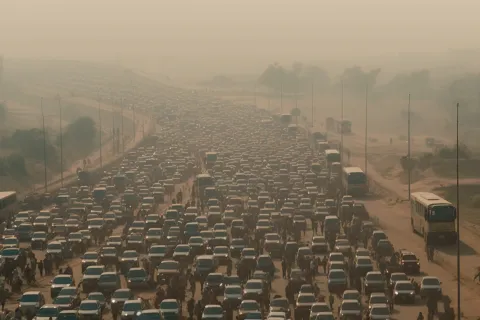
New Delhi smog worsens after Diwali fireworks
Travelers should check neighborhood AQI levels and whether Stage III restrictions cover their private or rental vehicle; the rules do not themselves close attractions or wider transport.
CDC flight attestation starts Nov. 3 for flights to U.S. from abroad
Passengers and crew on flights departing foreign countries for a U.S. airport at or after 11:59 p.m. EST Nov. 3 must attest to no DRC presence in the prior 21 days unless exempt.
Canada updates France travel advisory for planned protests
Canadian travelers in France should avoid demonstrations and prepare for localized curfews and transport disruptions around planned protests on Oct. 31 and Nov. 5.
Iraq Travel Advisory Remains at Level 4 Do Not Travel
The Oct. 23 update did not change Iraq’s warning level: U.S. citizens are advised not to travel, while those there should prepare independent departure plans.

About the Author

Jeff Colhoun
Jeff Colhoun is a photographer and filmmaker whose work has appeared in The Wall Street Journal, the Los Angeles Times, Matador Network and Barron’s.