Stay current with our airline news coverage.
WASHINGTON - That welcome-aboard drink in first class now comes with a tighter deadline: Finish it before the airplane leaves the gate, or watch a flight attendant collect it.
Starting Sept. 1, 2026, Delta Air Lines flight attendants must collect every airline-provided service item, including paper cups and plastic glasses, before aircraft pushback, according to One Mile at a Time. The instruction follows revised Federal Aviation Administration guidance that treats disposable drinkware like other unsecured cabin-service items.
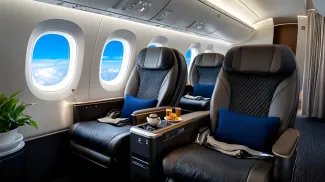
The practical effect will be most visible in first class and business class, where predeparture drinks have long been part of the boarding routine. Airlines can still provide that service, but crews must complete it and retrieve the cups before the airplane begins moving on the surface.
FAA Guidance Tightens an Existing Cabin Rule
This isn’t a brand-new ban on predeparture beverages. The underlying regulation, 14 CFR 121.577, has been in place since 1992, according to One Mile at a Time. It prohibits aircraft movement, takeoff or landing while carrier-furnished food, beverages or serviceware remain unsecured at passenger seats.
The FAA revised its guidance on May 27, 2026, removing the previous special treatment for paper cups and plastic glasses used during predeparture beverage service. Industry reporting has characterized the shift as stricter enforcement of an existing cabin-readiness requirement rather than a new regulation.
That distinction matters. Airlines aren’t suddenly being told they can never hand a first-class passenger a drink during boarding. They’re being told that airline-provided drinkware must be collected and properly stowed before pushback, not merely before takeoff.
The timing can be awkward. The FAA said during the 1992 rulemaking that pushback to takeoff normally takes less than 15 minutes, One Mile at a Time reported. The updated interpretation effectively moves the collection point earlier, taking the taxi period out of the equation entirely.
Safety Versus the Premium-Cabin Ritual
The FAA’s rationale is centered on cabin safety. Loose cups, tableware and other service items can become evacuation hazards during surface movement. They can also create another task for flight attendants at a time when crews need to prepare the cabin for departure.
From that perspective, the rule is fairly straightforward. If an airplane is moving, the aisle and seating area shouldn’t be cluttered with airline service items that could interfere with an emergency evacuation.
From the passenger side, however, this is one more constraint on a service that already has a narrow window. Boarding must be far enough along for flight attendants to offer drinks, yet crews also need enough time to retrieve every cup before pushback. That can leave premium-cabin passengers with a rather brisk welcome.
Delta is the airline specifically identified as putting the Sept. 1 collection instruction into effect, but the FAA guidance is industry-wide. The requirement also reaches foreign airlines operating to, from or within the United States under FAA Part 129 rules.
In other words, this isn’t only an issue for U.S. carriers or domestic flights. International airlines serving the United States must also account for the collection requirement when designing their boarding and cabin-service procedures.
How Airlines May Adjust Predeparture Drinks
Airlines have a few operational choices, none especially glamorous. They can start beverage service earlier during boarding, shorten the amount of time passengers have with their drinks or offer predeparture beverages less frequently when boarding is running tight.
One Mile at a Time reported that Delta is instructing flight attendants to begin the service earlier so cups can be collected before pushback. Even then, the available window depends on how smoothly boarding proceeds.
The most noticeable change may not be a formal cancellation of predeparture drinks. Instead, service could become less consistent. On an orderly boarding process, crews may have time to serve and collect everything. When timing is compressed, the safest operational choice may be to skip or abbreviate the service.
That’s the mildly frustrating part for travelers. A premium-cabin amenity can remain officially available while becoming harder to deliver reliably. No grand announcement is required; sometimes the drink simply doesn’t appear.
Don’t Choose a Flight for the Boarding Champagne
As someone who follows airline service closely, I wouldn’t let this rule influence which flight or premium cabin I book. The drink is pleasant, certainly, but it’s a small part of the trip. Schedule, seat comfort and the service after departure remain much more consequential.
I would, however, reset expectations. If a predeparture beverage is offered, passengers should expect collection well before the safety demonstration and taxi sequence they may have associated with the old routine. There’s little point in accepting a drink at the last moment and then being annoyed when the crew returns for the cup almost immediately.
The more interesting test will be consistency. Airlines that organize boarding and begin premium service early may preserve much of the familiar experience. Carriers or individual flights with tighter workflows may decide the perk is more trouble than it’s worth. That’s not necessarily poor hospitality; under the revised FAA guidance, crews have a firm cabin-readiness obligation to meet.
So, yes, the first-class welcome drink can survive. It just needs to move faster than the airplane.
More travel news
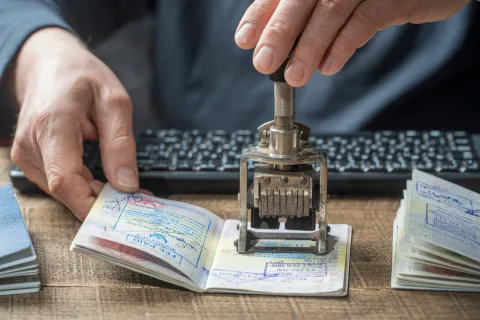
U.S. Customs and Border Protection to End Routine Passport Stamps
CBP announced routine passport stamping will end during primary inspection, with limited exceptions; foreign visitors can access admission and authorized-stay details through I-94 or CBP Link.
United Resumes Twice-Daily Newark–Tel Aviv Flights
United’s Newark–Tel Aviv route is operating twice daily, and Delta’s JFK service has returned; United plans Chicago and Washington flights from October.

United Flight Attendants Can Refuse ICE Questions
Washington, United States - United flight attendants were told they may remain silent when ICE asks about passengers or coworkers as airport arrests increase nationwide.
Airlines Put Elite Status on a Higher Price Tag
NEW YORK, United States - Delta, United and other major airlines are raising elite status hurdles, leaving frequent flyers on discounted fares with less credit.
About the Author

Bob Vidra
Bob Vidra is News Editor at Jetsetter Guide, covering airlines, airports and the travel industry since 2023.