Stay current with our airline news coverage.
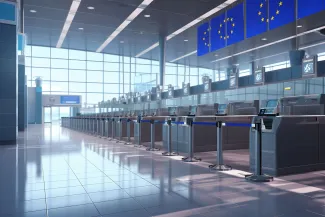
WASHINGTON — American travelers booking European vacations for 2026 need to account for a new category of expenses that didn't exist a year ago: mandatory pre-travel authorization fees. Starting February 25, 2026, the UK requires an Electronic Travel Authorisation (ETA) at £16 per person. By late 2026, 30 European countries will enforce the European Travel Information and Authorisation System (ETIAS) at €7 per adult. These aren't optional travel hacks or upgrades; they're required before you board.
For a family of four planning two weeks across London, Paris, and Rome, the math adds up quickly: £64 for UK ETAs plus €28 for ETIAS authorizations equals roughly $98 in fees that serve no purpose beyond satisfying new security screening requirements. That's before airfare, hotels, or meals. Solo travelers pay less, but the principle remains: Europe now costs more to enter, and the fees catch Americans off guard because they're buried in pre-departure planning, not visible at booking.
UK Electronic Travel Authorisation: What Americans Pay
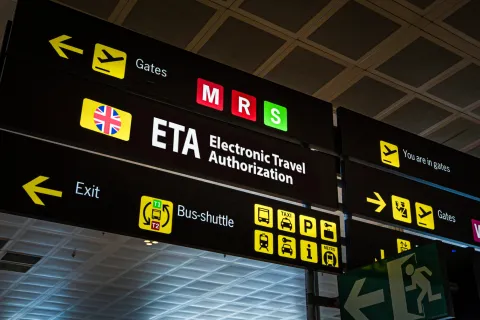
The UK's ETA system went live for US travelers on February 25, 2026, with strict enforcement at all entry points including airports, seaports, and the Eurostar terminal. The fee is £16 per person, equivalent to approximately $21, and applies to every traveler regardless of age. That means a couple pays £32, a family of four pays £64, and larger groups face proportional costs.
The ETA functions as a digital pre-clearance linked to your passport. You apply through the UK government's app or website, submit a passport scan, upload a photo, and answer questions about criminal history and travel purpose. Processing typically takes three days, though delays can stretch longer during high-volume periods. Once approved, the ETA allows multiple entries to the UK for up to six months per visit and remains valid for two years or until your passport expires, whichever comes first.
Here's the critical detail: children need separate ETAs. There are no family applications, no group discounts, and no refunds if denied. If you arrive without an approved ETA, you will not board your flight. Airlines verify authorization status before check-in, and enforcement is non-negotiable. Americans familiar with the US ESTA system recognize the framework, but the UK's version costs more per application and covers a shorter validity period.
EU ETIAS: The €7 Fee Most Americans Don't Know About
The European Union's ETIAS launches in the last quarter of 2026, requiring pre-travel authorization for visa-exempt nationals entering 30 European countries, including all Schengen Area members plus Cyprus. The official fee is €7 per person for travelers aged 18 to 70. Children under 18 and adults over 70 are exempt from the fee, though they still must apply and receive authorization.
At current exchange rates, €7 equals approximately $7.50, making it significantly cheaper than the UK's ETA. However, the system's structure introduces complications. ETIAS authorization is valid for three years or until passport expiration, whichever occurs first. If you renew your passport during that period, you must apply again and pay another fee. Each traveler submits an individual application; there are no family bundles or group rates.
The application process mirrors the UK's ETA: online submission through an official portal, passport and biometric data collection, security screening, and electronic linkage to your travel document. Approximately 95 percent of applications receive instant approval, but 5 percent trigger manual review that can take up to 30 days. Plan accordingly. ETIAS covers stays of up to 90 days within a 180-day period across all participating countries, meaning one authorization handles multiple trips during its validity window.
What a Two-Week European Trip Costs in New Fees
Consider a typical American itinerary: 10 days in Italy and France, followed by four days in London. This trip requires both ETIAS and UK ETA authorizations because the UK is not part of the Schengen Area and operates its own system.
For a family of four with two adults and two children aged 10 and 14, the breakdown is:
UK ETA: £16 per person × 4 travelers = £64 ($84)
EU ETIAS: €7 per adult × 2 travelers (children under 18 exempt) = €14 ($15)
Total authorization fees: approximately $99
For a couple traveling without children: £32 for UK ETAs plus €14 for ETIAS equals roughly $53. Solo travelers pay £16 and €7, totaling about $28. These costs are per trip cycle, not per entry. If your ETIAS and ETA remain valid for subsequent trips within their validity periods, you don't pay again unless your passport expires or authorization is revoked.
The fees seem modest in isolation, but they represent a new financial barrier that compounds with other travel costs. Americans accustomed to entering Europe without pre-authorization now face mandatory applications, processing timelines, and non-refundable fees. The larger issue is operational: forgetting to apply or missing the deadline means you can't travel, regardless of how much you've spent on flights and hotels.
How These Systems Compare to US ESTA
Americans traveling to the UK and EU encounter the same friction that international visitors face when entering the United States through the Electronic System for Travel Authorization (ESTA). The US ESTA costs $21 per person, remains valid for two years, and covers multiple entries for stays up to 90 days. The UK ETA and EU ETIAS mirror this model, though with different fee structures and validity periods.
The UK's £16 ETA is slightly cheaper than ESTA but valid for only two years compared to ESTA's two years. The EU's €7 ETIAS is significantly cheaper than both and valid for three years. All three systems require online applications, biometric data, and pre-approval before boarding. None are visas; they are travel authorizations designed to screen visitors for security risks before arrival.
The practical difference for Americans is that traveling to Europe now requires managing two separate authorization systems if your itinerary includes both the UK and Schengen countries. Each system has its own application portal, processing timeline, and validity rules. There is no reciprocal recognition; a UK ETA does not grant access to the EU, and ETIAS does not cover the UK.
What Happens If You Arrive Without Authorization
Airlines and ferry operators verify ETA and ETIAS status before allowing passengers to board. If your authorization is missing, denied, or expired, you will not be permitted to travel. There are no airport workarounds, no on-arrival applications, and no exceptions for booking errors or technical issues.
This enforcement model differs from visa-on-arrival systems some travelers encounter in other regions. The UK and EU require pre-clearance, and the responsibility for compliance rests entirely with the traveler. Airlines face penalties for transporting passengers without valid authorization, so they conduct rigorous checks at check-in and boarding gates.
If your application is denied, you can reapply, but there is no guarantee of approval on subsequent attempts. Denials typically result from criminal records, previous immigration violations, or incomplete applications. The systems do not disclose specific reasons for refusal, and appeals are limited. Travelers with complex immigration histories should apply well in advance and consider consulting immigration advisors if unsure about eligibility.
Planning Ahead: Application Timelines and Validity Periods
Both the UK ETA and EU ETIAS allow applications months in advance of travel. The UK recommends applying at least three days before departure, though most approvals arrive within hours. ETIAS applications can take up to 30 days for manual review cases, so applying four to six weeks before travel provides a safety margin.
Once approved, the authorizations remain valid for multiple trips until expiration. This means Americans who travel to Europe regularly can spread the cost across several visits. A frequent traveler paying €7 for ETIAS valid for three years pays roughly $2.50 per year; a family of four with UK ETAs valid for two years pays $42 annually.
The key is remembering to renew before expiration and accounting for passport renewals. If you renew your passport, you must also obtain new travel authorizations, even if your previous ones haven't expired. The systems link authorization to passport numbers, so a new passport breaks that connection.
Americans planning 2026 European travel should add authorization fees to their budget worksheets alongside airfare and accommodations. The costs are real, enforcement is strict, and forgetting to apply isn't an option.
More travel news
U.S. Embassy Madrid Issues Europewide Holiday Security Alert
U.S. citizens traveling in Europe are advised to use extra vigilance at crowded holiday events, monitor local news and contact airlines about disruptions.

Europe Flight Bomb Threats Disrupt at Least 35 Flights
Bomb threats disrupted at least 35 European flights from Monday through Thursday, and fresh alerts followed Friday; searches found no explosives.
Pakistan International Airlines plans to add two 787s for UK
The wet lease for PIA’s UK service includes two Boeing 787-9s, crews, maintenance and insurance and is expected to start in early November 2026, subject to scheduling and approvals.

United Kingdom ETA checks require British-Canadian entry proof
Since Feb. 25, 2026, British-Canadian dual citizens flying to the UK need a valid British passport or a right-of-abode certificate in their Canadian passport.
About the Author

Jeff Colhoun
Jeff Colhoun is a photographer and filmmaker whose work has appeared in The Wall Street Journal, the Los Angeles Times, Matador Network and Barron’s.