Stay current with our airline news coverage.
A long wait at baggage claim ended with an unpleasant mystery for passengers on American Airlines Flight 2609. After arriving in Atlanta from Miami on Monday night, travelers discovered dozens of bags covered in a brown substance they feared was human waste, according to WSB-TV. American’s explanation: liquefied peanut butter had leaked from a passenger’s checked bag.
The airline apologized and said it would work directly with affected customers, WSB-TV reported. For passengers, though, identifying the substance was only part of the problem. They described waiting more than two hours for their luggage, then cleaning the mess themselves.
A lengthy wait for Flight 2609’s bags
Passengers told WSB-TV that Flight 2609 arrived at Hartsfield-Jackson Atlanta International Airport from Miami around 8:30 p.m. Monday. Their luggage eventually appeared on carousel 8 after the extended wait.
When the bags came out, many were covered in the brown material. A TikTok video captured travelers discovering the mess, according to the station. What should have been the final stop before leaving the airport instead became a scene of confusion and alarm.
Derick McCallum, a passenger who shot the video, described people reacting immediately as the luggage emerged. Another passenger, Billy Johnson, told WSB-TV that travelers were already frustrated by the delay before concerns about the substance began spreading.
That sequence matters: passengers weren’t simply reacting to a messy suitcase. By their account, they had already spent more than two hours waiting for their belongings before facing an unexpected cleanup.
American Airlines says peanut butter, not human waste
In a statement reported by WSB-TV, American Airlines said the material was liquefied peanut butter, not human waste. The airline said it leaked from a passenger’s checked bag during the flight and affected other luggage.
That’s an important distinction. The fear expressed at the carousel was that the bags had been contaminated with human waste; American’s explanation was a food spill originating inside another traveler’s luggage. The passengers’ initial reaction should not be mistaken for confirmation of what the substance was.
Still, the explanation didn’t satisfy everyone. WSB-TV reported that some passengers remained skeptical. McCallum questioned how much peanut butter someone would have to pack for the spill to cover so many bags.
Passengers describe cleaning up themselves
Travelers told WSB-TV they used disinfecting wipes and tissues to remove the substance from their luggage. Whatever the material turned out to be, that was hardly the welcome they expected at baggage claim.
American’s statement offered an apology and a commitment to work directly with affected customers. It did not specify compensation, cleaning services or a timeline for contacting them, according to the statement reported by WSB-TV.
For the affected travelers, that follow-through is the part that matters now. The airline has offered an explanation for the brown mess; addressing the condition of passengers’ belongings is a separate task. Peanut butter may be a less alarming answer than the one travelers initially feared, but it doesn’t erase the wait or the cleanup.
Explore more North America travel →
More travel news
American Airlines Plans Nearly 85,000 Thanksgiving Flights
The schedule is up 4% from 2025, with 7,021 flights planned for Nov. 29, American’s largest single day of flying since the pandemic.
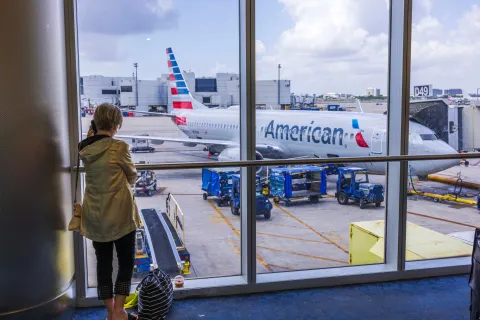
American Airlines Restarts Daily Miami–Cap-Haïtien Flights
The Nov. 1 restart restores daily nonstop service to northern Haiti, with more than 90 U.S. connections via Miami; Port-au-Prince service remains suspended.

Major U.S. Airlines Favor Higher Fares Over Fuller Planes
Major U.S. carriers are prioritizing revenue per passenger over fuller planes as jet fuel costs rise; Thanksgiving fares are up about 30% from 2025.
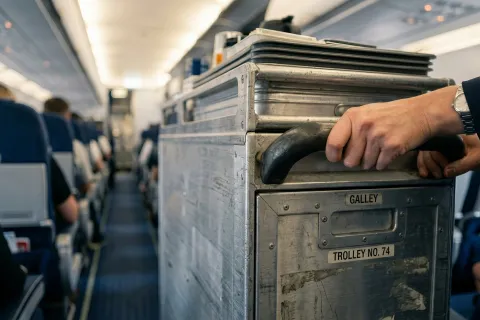
United Airlines launches Starlink flight tracker
Travelers can use United Airlines’ Starlink Tracker to check flight-level availability as the carrier works toward fleetwide installation by the end of 2027.
About the Author

Dana Lockwood
Dana Lockwood is a Travel Writer at Jetsetter Guide covering budget solo travel from her base in Denver, Colorado.