Stay current with our airline news coverage.
When Budget Cuts Become Expensive Mistakes
The appeal of skipping travel insurance is obvious when you're planning a shoestring adventure. That premium feels like dead weight, money you could spend on actual experiences rather than a "just in case" safety net you might never need. I get it. Every dollar matters when you're traveling on $40 a day, and insurance can feel like betting against your own good luck. But here's the reality check that hits hard: medical emergencies abroad aren't just inconvenient. They're financially devastating without coverage. According to Travel, a medical evacuation flight alone can cost anywhere between $50,000 and $200,000, depending on where you are. That's not a typo. One helicopter ride or emergency transport could wipe out years of savings, max out credit cards, and leave you drowning in debt long after your adventure ends. The traveler's experience in Southeast Asia illustrates exactly why this matters. Rabies treatment isn't a one-and-done situation. It requires multiple shots over weeks, often crossing borders as you continue traveling. Each clinic visit, each injection, each consultation adds up. Without insurance covering those costs, you're either draining your travel fund day by day or cutting your trip short to fly home for treatment.What Coverage Actually Matters
If this story has you reconsidering your own insurance situation (good), the next question is what kind of coverage you actually need. Not all travel insurance policies are created equal, and the cheapest option often leaves gaps that matter most. Medical coverage limits should be your primary focus. According to Travel, you want at least $100,000 in medical coverage for international travel. That might sound excessive until you remember those evacuation costs or consider what happens if you need surgery in a foreign hospital. In countries with particularly high medical costs, such as Japan, Australia or Switzerland, $250,000 is safer, according to Travel. Some budget plans cap out at $50,000, which sounds substantial until you're actually facing a serious medical situation. That ceiling gets reached faster than you'd think.Beyond the Dog Bite: Other Coverage Essentials
Medical emergencies grab the headlines, but they're not the only reason to carry insurance. The Southeast Asia traveler also dealt with a lost phone, another common mishap that good policies cover under personal belongings protection. Trip interruption coverage becomes critical if you need to cut your adventure short due to medical issues or family emergencies back home. Emergency evacuation coverage handles those catastrophically expensive transport situations. And if you're doing anything remotely adventurous (motorbikes, trekking, water sports), you need a policy that doesn't exclude adventure activities, which many basic plans do.The Real Cost of Going Bare
Let's be honest about what we're actually risking when we skip insurance. It's not just the immediate medical bills or the replacement cost of stolen gear. It's the cascading consequences that follow. You might cut your trip short because you can't afford ongoing treatment abroad. You might skip necessary medical care because the upfront costs are too high. You might end up in debt that takes years to resolve. Or you might find yourself unable to travel again for a long time because one uninsured emergency wiped out not just your current budget, but your future travel fund too. The irony is painful: we skip insurance to make travel more affordable, but one uninsured incident can make future travel impossible.Making the Smart Choice
Travel insurance isn't sexy. It doesn't show up in your Instagram photos or become a memorable story you tell at hostels. But neither does crippling medical debt or cutting short a dream trip because you can't afford treatment for an infected dog bite. The lesson here isn't complicated. When you're planning international travel, especially to regions where medical care might be expensive or evacuation difficult, insurance isn't optional. It's foundational. It's the difference between a mishap being an inconvenient story and a financial catastrophe. Budget travel is about spending smart, not spending nothing. It's about prioritizing experiences over luxury, finding value in local markets instead of resort restaurants, choosing the $15 hostel bed over the $150 hotel room. But it's not about gambling with your health and financial security. The next time you're tempted to skip travel insurance to save a few bucks, picture yourself in a clinic somewhere in Southeast Asia, starting a month of rabies shots, calculating how much this is all going to cost without coverage. Then buy the policy. Your future self will thank you.More travel news
Air India Jet Plunges 300 Feet in Turbulence Storm
Delhi, India - Flight AI2379 from Phuket encountered violent turbulence 90 minutes into its journey, throwing unsecured passengers into the air and damaging cabin fittings across the aircraft.

War Strands Travelers But Insurance Won't Pay
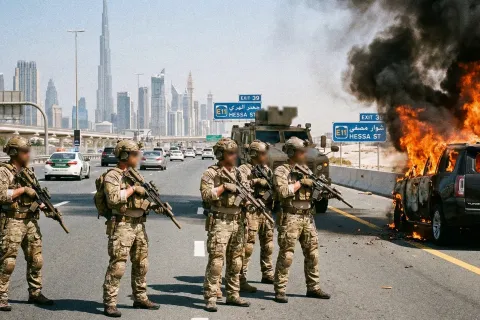
Global — Major conflict between the United States, Israel, and Iran grounded flights worldwide this week, exposing a blind spot most travelers never knew existed.
Disney Unveils Summer 2027 Cruise Routes Worldwide
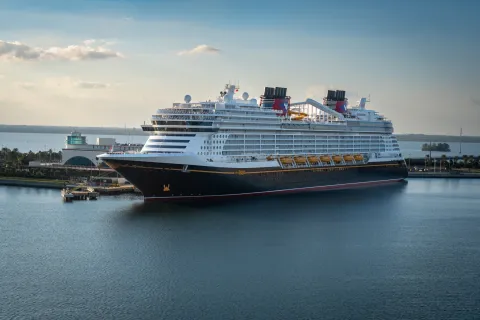
CELEBRATION, Fla. — Disney Cruise Line launches summer 2027 itineraries spanning Europe to Southeast Asia, with Castaway Club bookings starting February 16 and public sales opening February 23.
Virus Disrupts Global Travel Plans
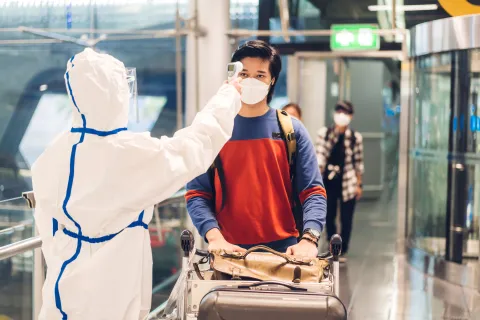
KOLKATA, India — A Nipah virus outbreak in West Bengal has triggered heightened health protocols at airports across Southeast Asia, with the deadly pathogen showing no approved treatment and a fatality rate up to 75%.
About the Author

Dana Lockwood
Dana Lockwood is a Travel Writer at Jetsetter Guide covering budget solo travel from her base in Denver, Colorado.