Stay current with our airline news coverage.
The Disconnect Between Pump and Passenger
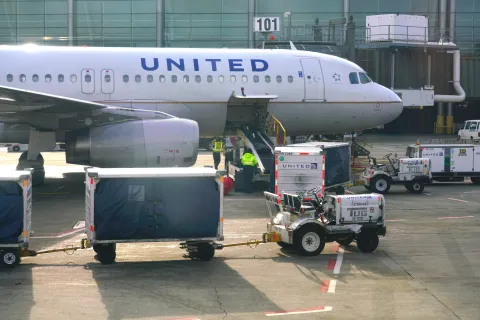
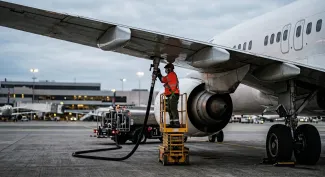
Toronto, Canada - Here's a math problem that doesn't quite add up: jet fuel prices have dropped fast over the last two months, but if you've searched for a summer flight lately, you'd never know it. As of late June, domestic economy airfares in Canada sat 11% higher than they were a year earlier, according to TravelPulse Canada. International fares hovered roughly comparable year over year, which still means they haven't budged downward despite one of the industry's biggest variable costs falling sharply. Airlines have publicly stated they don't plan to roll back fare increases or added fees that were introduced when fuel and other costs were rising, CNN Business reported. Translation: you're paying pandemic-hangover prices in a post-pandemic fuel market, and carriers are fine with that arrangement. The kicker? Canadians are still booking. Some 2.5 million passengers boarded domestic flights in May alone, a 6.4% jump from May 2025, according to Statistics Canada. Whatever grumbling is happening at the search-results page evidently isn't translating into empty seats.Strong Demand, Stubborn Fares
Across North America, the pattern is consistent. Data from Deutsche Bank Securities cited by CNN Business show many airfares still running 15 to 20% above year-ago levels, even as jet fuel costs ease. Some U.S. summer travel airfares have climbed more than 20% compared with the previous year, according to TravelPulse, with certain peak-season trips carrying price tags roughly 27% higher year over year. Canadian carriers are seeing the same resilience. "Demand is still strong even at those higher rates," an Air Canada chief commercial officer told analysts on April 30 in reference to summer flights. That confidence is reflected in booking numbers: holidays, family visits, and leisure trips continue to fill cabins, even as broader cost-of-living pressures squeeze household budgets. The industry's argument hinges on non-fuel costs. Labor, maintenance, airport congestion, and what Delta's CEO described as "congested ATC systems" have all climbed, according to Simple Flying. Airlines frame current pricing as necessary margin repair after heavy COVID-era losses and debt accumulation, prioritizing profitability and shareholder expectations over passing fuel savings through to travelers.Why Travelers Keep Paying
The behavioral economics here are telling. Faced with higher airfares, most travelers aren't canceling trips; they're recalibrating. "Despite rising costs and volatility shaping how people spend, many are making intentional trade-offs elsewhere to protect travel, reflecting a growing desire to reconnect and recharge," Rakuten noted in industry analysis. That means cheaper hostels, shorter stays, skipped tours, or bare-bones Airbnbs instead of hotels. The flight itself has become the non-negotiable anchor expense, and everything else flexes around it. For airlines, that's a green light to hold fares steady regardless of what's happening at the fuel pump.What the Numbers Mean for Your Next Booking
If you've been waiting for jet fuel savings to trickle down into your ticket price, adjust expectations accordingly. The structural incentives simply aren't there. Airlines spent years hemorrhaging cash and are now using strong summer demand and constrained capacity to rebuild margins, not to compete on price. With May domestic boardings up 6.4% year over year in Canada and similar patterns across the U.S., there's no pressure valve forcing fares lower. For budget travelers and digital nomads accustomed to hunting deals, this summer represents a harder calculus. An 11% domestic fare increase means that Vancouver to Toronto or Montreal to Calgary routes that were borderline affordable last June now require serious trade-offs. The old strategy of booking early and flexible no longer guarantees savings when baseline prices have shifted upward across the board. International fares sitting flat year over year might sound neutral, but in real terms it means last summer's already-high prices are locked in. If you were stretching to afford a transatlantic hop in 2025, you're stretching just as hard now, fuel savings be damned. And with carriers openly saying they won't roll back fees or fare increases, there's little reason to expect relief before shoulder season arrives and demand softens naturally. The smarter play right now is accepting that airfare will eat a bigger slice of your budget and planning accordingly. That might mean choosing ground transport for shorter hauls, extending trips to maximize the cost of that expensive ticket, or leaning harder into hostel stays and street food to balance the ledger. The backpacker golden rule still applies: protect mobility, sacrifice comfort. It's just that mobility costs more than it did 12 months ago, and the airlines have made it clear that's the new baseline.More travel news
Air Canada Teases Five New Global Routes for 2027
MONTREAL, Canada - Air Canada is teasing five international routes for summer 2027, turning airport codes, visual clues and a ticket contest into a guessing game.
US and Canada Raise Travel Alerts Across Key Hotspots
Washington, United States - Updated North American travel advisories sharpen warnings for Tanzania and South America, with localized risks requiring closer trip planning.

Yellowstone Tops Rocky Mountain Parks With 4.76M Visitors
ROCKY MOUNTAINS, North America - Five iconic parks along the 3,000-mile mountain chain welcomed record crowds in 2025, from Wyoming's thermal features to Alberta's alpine wilderness.

WestJet Strike Ends After 495 Flights Cancelled
CALGARY, Canada - A two-day walkout over unpaid ground work canceled 495 flights and disrupted travel for 250,000 passengers before a tentative agreement brought crews back to work.

About the Author

Mariana Torres
Mariana is a 33-year-old travel writer and backpacker who specializes in finding the pulse of a place far beyond the tourist maps.