Stay current with our airline news coverage.
The Bailout That Isn't Happening
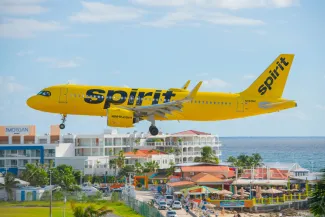
According to Simple Flying, the Trump administration floated a deal to lend Spirit $500 million in exchange for a 90% controlling stake in the carrier. That's not a small gesture; it would effectively put the federal government in charge of one of America's best-known budget airlines. But the creditors backing Spirit, firms like Citadel, Ares Management Corp., and Cyrus Capital, aren't having it. They've openly opposed the deal, and talks have stalled as a result. The sticking point? The government would become the senior bondholder, bumping existing creditors down the priority list. That's a tough pill to swallow when you've already got money on the line. President Donald Trump told reporters last week that his administration was considering buying the carrier at the "right price," adding, "When the price of oil goes down, we would sell it for a profit." He's also said he's open to a government takeover of Spirit "for the right price," arguing the move could save thousands of jobs. Trump pointed to Spirit's assets, noting the airline has "some good aircraft" and "some good assets." A White House official added: "The Trump administration continues to monitor the health of the American aviation industry and explore possible options to help passengers and airline employees."Cash Reserves Measured in Days, Not Months
Spirit's cash position is grim. The airline has about $250 million in reserves, but those funds are already liened by creditors. In practical terms, that means Spirit can't freely spend that money; it's spoken for. And $250 million doesn't go far when you're operating an airline. We're talking days of runway, not weeks. The airline has already skipped at least one interest payment, putting it at risk of default. A bankruptcy hearing was postponed as negotiations continued, but without a resolution, Spirit is staring down a collapse that would strand passengers, eliminate routes, and put thousands of employees out of work. Spirit shares fell 6.01% to $1.72 recently; they're down over 80% in the past year, according to background research. The stock price tells the story: investors see little hope of a turnaround.Defense Production Act and Military Transport?
One of the more unusual angles in this saga is the potential invocation of the Defense Production Act. The idea, according to background research, is that the government could repurpose Spirit's excess capacity for military transport. It's a creative justification for a federal takeover, tying the bailout to national security rather than just economic policy. But that framing doesn't change the math for creditors, who would still find themselves junior to the government in the event of liquidation. And it doesn't make Spirit any less of a financial black hole right now.What Happens If Spirit Collapses?
If Spirit goes under, the ripple effects will hit budget travelers hard. The airline has been a major player in routes to Canada, Mexico, and the United Kingdom, often undercutting legacy carriers by hundreds of dollars per ticket. Without Spirit, fares on those routes are likely to climb as competitors face less pricing pressure. There's also the question of jobs. Spirit employs thousands of pilots, flight attendants, gate agents, and maintenance workers. A collapse would put all of those positions at risk, though some employees might find work at other carriers if the industry absorbs Spirit's capacity. For passengers with existing bookings, the situation is precarious. If Spirit files for bankruptcy before your travel date, you could be left scrambling for alternative flights, likely at much higher prices. Travel insurance that covers carrier failure might offer some protection, but not everyone buys it.Why This Bailout Feels Different
The airline industry has a complicated relationship with government rescues. After 9/11, Congress approved $15 billion in bailouts and loan guarantees. During COVID, airlines received tens of billions in payroll support. But those programs were broad, designed to stabilize the entire sector during existential crises. This Spirit deal feels narrower and more transactional. It's not about saving the industry; it's about saving one carrier, and one that's already been through two bankruptcies in two years. That raises questions about whether Spirit is fundamentally viable or just a money pit that will need repeated interventions. Other airlines are reportedly uneasy about the precedent. If the federal government steps in to prop up Spirit, does that create an unfair competitive advantage? Does it signal that poorly managed carriers can count on taxpayer-funded rescues? Creditors, meanwhile, are pushing a counterproposal, though details haven't been made public. Whatever their plan looks like, it clearly doesn't involve taking a backseat to the federal government. For travelers, the next few days will be telling. Either Spirit finds a way forward, or the era of $29 flights to Fort Lauderdale comes to an abrupt end. Either way, this is a mess that's been years in the making, and there's no easy way out.More travel news
Frontier Goes Upmarket After Spirit Shutdown
DENVER, United States - Frontier Airlines is pairing low fares with first-class seats, faster Wi-Fi and loyalty perks after Spirit Airlines exited the market.

White House Targets Pregnant Foreign Travelers
WASHINGTON, D.C. - Justice Department enforcement campaign targets birth tourism fraud, sparking confusion among international families about travel rights during pregnancy.

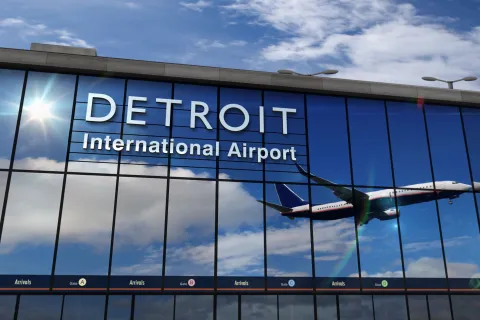
Detroit Airport Hikes Fees After Spirit Collapse
DETROIT, Mich. - Landing fees jump 10% and rental fees rise up to 13% at Detroit's main airport after Spirit's closure left empty gates and a major revenue hole.
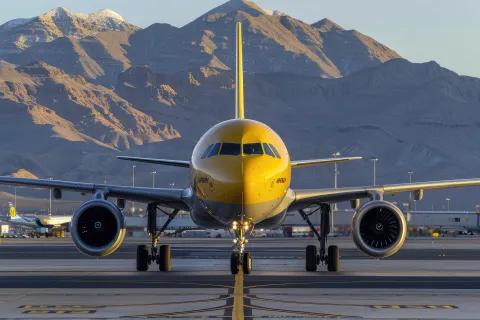
Fans Launch Campaign to Resurrect Spirit Airlines
UNITED STATES - A grassroots movement aims to resurrect Spirit Airlines through crowdfunded public investment after the ultra-low-cost carrier's 2026 collapse.
About the Author

Bob Vidra
Bob Vidra is News Editor at Jetsetter Guide, covering airlines, airports and the travel industry since 2023.