Stay current with our airline news coverage.
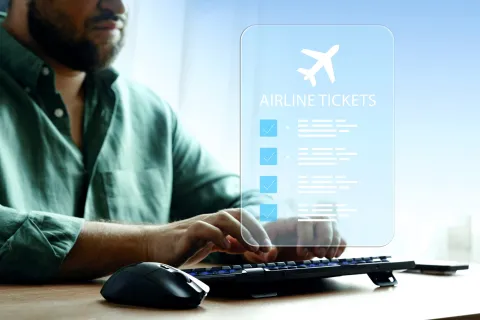
United Airlines has banned unauthorized third-party personal AI agents from booking its flights, becoming the first major U.S. airline to impose that restriction, according to Aviation Business News. The policy affects travelers using autonomous assistants to transact on their behalf, including through agencies and flight aggregators. United will honor bookings made before Nov. 11.
The airline announced the restrictions Wednesday, according to Skift. This is not a prohibition on using a chatbot to help plan a trip. Aviation Business News reports that travelers can still use AI to research itineraries and compare fares, but United now requires human intervention to complete checkout and check-in.
For passengers with an AI-made reservation from before Nov. 11, United says it will not cancel those bookings because an agent made them. It does recommend reviewing the reservation for accuracy, according to PhocusWire. That distinction matters: an existing booking made before the cutoff is being treated differently from a new attempt to let an unauthorized assistant complete a transaction.
United’s AI booking ban reaches beyond its website
The restriction covers United’s website and app, but it does not stop at the airline’s own checkout page. According to PhocusWire, United is also restricting unauthorized personal AI agents operating indirectly through travel agencies and aggregators. Moving the purchase to an intermediary does not put the agent outside the policy’s scope.
United’s customer-facing Digital Trust Center explains that travel agencies and booking platforms cannot use third-party AI agents to book United travel for customers. Those businesses can use their own AI tools only with United’s permission, PhocusWire reported. The distinction is authorization by the airline, not simply whether a booking service has access to United inventory.
The policy also extends to bots, browser extensions and browser features that act for a customer on United.com or in the United app without permission, according to PhocusWire. A traveler giving an assistant access to an account does not establish the assistant’s right to transact with United.
There is a contractual consequence as well. Aviation Business News reports that United has updated its Contract of Carriage to classify AI-managed reservations as prohibited practices and reserves the right to cancel them without notice. That is a right the airline has reserved, not a statement that every affected reservation has already been canceled. The protection for bookings made before Nov. 11 remains important.
Account access and check-in are different problems
United’s stated concerns start with account security. Sharing credentials with a personal AI assistant can expose sensitive information, and actions taken by the tool can produce unintended purchases, account changes or use of MileagePlus miles, according to the airline’s explanation reported by PhocusWire.
Those risks go beyond an assistant selecting the wrong itinerary. United is addressing tools that can act inside a customer’s account and change something of financial or practical value. Its restriction separates using AI for information from allowing it to exercise that account access.
The airline also cites regulatory concerns involving the Federal Aviation Administration and Department of Transportation. According to Travel Weekly, United says automated actions have the potential to violate those agencies’ regulations. Its example is flight check-in, which requires a human acknowledgment that bags do not contain banned substances such as explosives.
United’s explanation treats that safety acknowledgment as something a passenger must make, rather than a routine screen an autonomous tool can clear.
Authorization remains possible, but no agreements are in place
United intends the prohibition to apply to unauthorized agentic AI assistants, according to Travel Weekly. At the time of its report, the airline had not reached any authorization agreements. PhocusWire likewise reported that United had no partnerships with third-party AI agents.
For travelers, that makes the current boundary straightforward: an assistant’s ability to reach checkout is not evidence that United has approved it. PhocusWire reported that research from Propellic found personal agents Instinct and Muse could carry booking conversations through to checkout, with flight bookings often routed through the intermediary Duffel. Technical access and airline permission are separate questions.
Control of the sale is also part of United’s position. Aviation Business News reported that CEO Scott Kirby told The Wall Street Journal the airline wanted to avoid handing control to another middleman, protecting direct-to-consumer revenue, upsell opportunities and loyalty-program interactions. That commercial concern sits alongside the airline’s stated security and compliance concerns.
A controlled AI purchase is a different model
A separate demonstration shows why this debate is not simply about whether AI can purchase a ticket. According to PhocusWire, Travelport worked with Booked AI, Basis Theory and Mastercard to complete an end-to-end agentic flight purchase using existing New Distribution Capability and payment infrastructure.
In that transaction, the traveler approved the itinerary and price before Mastercard Agent Pay facilitated payment using a tokenized credential secured by Basis Theory. Mastercard’s Verifiable Intent technology checked the transaction against the traveler’s authorization. The agent did not receive the customer’s card number, and the airline remained the merchant of record, PhocusWire reported.
Travelport did not specify when that capability would become commercially available. The demonstration illustrates a different approach built around verified consent, protected payment information and airline control; it does not change United’s restrictions.
For United customers now, keep the boundary between planning and purchasing clear. Aviation Business News reports that AI itinerary research and fare comparison remain allowed, while checkout and check-in require human intervention. Travelers with agent-made bookings from before Nov. 11 should follow United’s recommendation to check their reservation details. For new purchases, a tool that can execute the transaction is not necessarily a tool United permits to do it.
More travel news
United Airlines to Exit Tulum; Delta to Pause in 2027
Passengers booked on affected Tulum flights can review alternatives or refunds; United’s routes end Jan. 2 and 4, while Delta pauses May 3 and expects a November 2027 return.

Delta Air Lines, United Airlines and JetBlue Sell Lower-Priced Premium Fares
Travelers booking Delta Basic Business, United Polaris Base or JetBlue Mint Base retain lie-flat seats, but seat selection, bags, lounge access and ticket flexibility vary by fare.
United Airlines receives first Airbus A321neo Coastliner
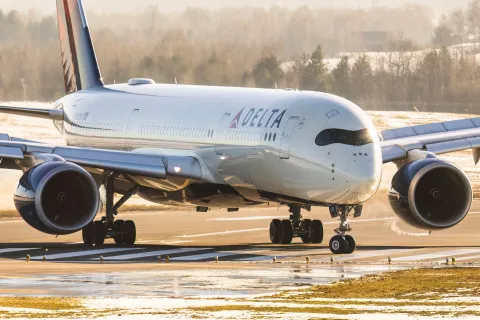
After testing and crew training, the premium-heavy aircraft is expected to begin scheduled service in early 2027, with Newark-Los Angeles and Newark-San Francisco planned.
United Airlines Adds Spotify Login on Starlink Aircraft
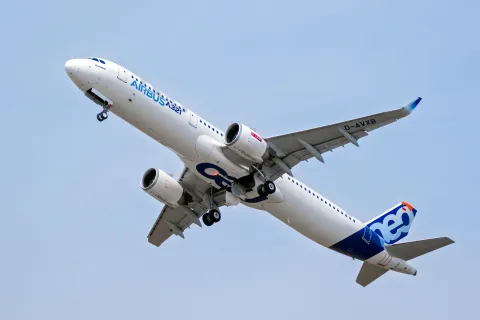
On United flights offering the new functionality, Spotify Free and Premium users can pair an account by phone and stream on the seatback screen without buying a Wi-Fi pass.
About the Author

Jeff Colhoun
Jeff Colhoun is a photographer and filmmaker whose work has appeared in The Wall Street Journal, the Los Angeles Times, Matador Network and Barron’s.