Stay current with our travel tips coverage.
WELLINGTON, New Zealand — If your dream New Zealand itinerary includes a selfie at Cathedral Cove or a summit walk across the Tongariro Alpine Crossing, be prepared to open your wallet. The New Zealand government has unveiled a proposal to charge international tourists NZ$20–40 (about $12–24) for entering select natural attractions, marking a dramatic shift in how the country balances conservation costs with the world’s thirst for pristine landscapes. Conservation Minister Tama Potaka positioned the fees as a way to “keep investing in the sites that underpin so much of our tourism sector,” Potaka said at a Wellington briefing. The entry charge would apply only to foreign passport holders; residents and citizens could still visit for free. Revenue is projected to reach NZ$62 million annually once the program is fully operational. Officials say the money would be ring-fenced for trail maintenance, visitor facilities and ecological restoration.
Where the Turnstiles Are Likely to Appear
Although the final list is months away, the Cabinet paper singles out four of Aotearoa’s most photographed wilderness spots:
- Cathedral Cove / Te Whanganui-a-Hei Marine Reserve, Coromandel Peninsula — Famous for cathedral-arched cliffs and turquoise water that starred in “The Chronicles of Narnia.”
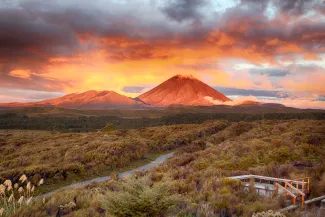
- Tongariro Alpine Crossing, Central North Island — A 19-kilometer route across volcanic craters and emerald lakes; often cited as one of the world’s top day hikes.
- Milford Track, Fiordland — The “finest walk in the world” threads 53 kilometers through temperate rainforest and glacier-carved valleys.
- Aoraki / Mount Cook National Park, South Island — Home to the country’s highest peak, stargazing dark-sky reserves and a network of alpine tracks.
The fee framework could be expanded or adjusted after a two-year review window. Current plans call for enforcement using QR-code checkpoints at trailheads and water-taxi piers. Non-payment would carry spot fines, though exact penalties are still being drafted.
Part of a Much Larger Overhaul
Charging visitors is only one plank in a wider shake-up of conservation legislation. Prime Minister Christopher Luxon said the government intends to “unleash a fresh wave of concessions” spanning tourism, agriculture and infrastructure on public conservation land, which totals roughly one-third of New Zealand’s landmass. At the Saturday announcement in Auckland, Luxon argued that relaxing red tape would foster “more jobs, more growth and higher wages.” The proposal includes:
- Streamlining permits so operators that already meet certain safety and environmental baselines can expand without a full public-consultation process.
- Creating pathways to swap, lease or sell conservation parcels when “net gain” outcomes are demonstrated, such as predator-free sanctuaries funded by developers.
- Allowing some low-impact commercial uses—think back-country huts or e-bike rentals—without a permit if activity stays within pre-approved zones.
Opponents warn the reforms could endanger fragile ecosystems at a time when nearly four in ten native species are classified as threatened or at risk of extinction. “They shift the focus from protection to exploitation,” Forest & Bird Chief Executive Nicola Toki said in a prepared statement, describing the plan as “the most significant weakening of conservation law in a generation.” Green Party co-leader Chlöe Swarbrick was equally blunt. Luxon, she asserted in a media release to The Guardian, is “putting profit above the protection of nature.”
What It Means for Travelers
For visitors, the biggest immediate change will be budgeting an extra NZ$20–40 per person for iconic hikes or scenic boat shuttles beginning sometime in 2027. Because the policy singles out high-profile destinations, many lesser-known tracks remain free—for now. Yet analysts expect visitor flows to shuffle as backpackers seek no-fee alternatives. Tour operators are split. Some welcome stable funding for trail upkeep, a lingering pain point after seasons of weather-related damage. Others worry that additional levies will make itineraries harder to sell in price-sensitive markets.
Tips for Travelers
- Book early once the system goes live. Digital entry passes will likely be capped daily to prevent congestion, similar to the Great Walk quota system.
- Factor in exchange rates. NZ$40 equates to roughly $24 at current rates; fluctuations could nudge the fee higher or lower in your home currency.
- Consider shoulder season. April, May and October see smaller crowds and could offer lower associated costs if dynamic pricing is introduced.
- Explore fee-free gems. Tracks like the Kepler, Abel Tasman Coastal Walk beyond the Great Walk section, or the Hump Ridge (until 2026) remain exempt.
- Check transport bundles. Water-taxi and shuttle companies may roll the conservation fee into a single ticket, simplifying logistics.
Conservation Funding: From Taxes to User Pays
New Zealand’s National Parks have traditionally been free to access, an ethos rooted in the 1953 National Parks Act, which treats wilderness as a public good. But visitor numbers have skyrocketed—from fewer than 1 million international arrivals in 1987 to more than 3 million before the pandemic. Infrastructure and trail maintenance costs followed suit. The Department of Conservation drew about NZ$463 million from the central budget last fiscal year. With deficit pressures mounting, officials view a “user-pays” model as a way to shore up predictable funding without raising domestic taxes. Similar approaches are common in the United States, where national parks often charge nonresidents between $15 and $35, and in Bhutan, whose $100 daily fee buys a carbon-negative experience.
How Will the Money Be Spent?
According to the policy outline, revenue would be ring-fenced for:
- Repairing storm-damaged boardwalks and bridges on Great Walks.
- Upgrading back-country huts with low-emission heating and composting toilets.
- Eradicating invasive species such as stoats and rats that prey on kiwi chicks.
- Developing bilingual signage reflecting both English and Māori place names.
- Adding ranger patrols during peak season to manage safety and litter.
Reporting mechanisms will include an annual ledger and independent audit, although detailed oversight legislation is yet to clear Parliament.
Timeline to Implementation
- Late 2024: Draft legislation enters select-committee phase; public submissions open.
- Mid-2025: Final bill expected to pass with coalition support.
- 2026: Pilot e-gate technology installed at Cathedral Cove and Tongariro trailheads.
- 2027: Full rollout; fees become mandatory for foreign visitors.
- 2029: Two-year policy review to adjust prices or expand the site list.
FAQ
Will New Zealand citizens pay?
No. The fee applies only to nonresident visitors. Local hikers continue to enter for free.
How do I prove residency?
Travelers will scan their passport at an online portal or kiosk; the system cross-checks nationality.
What if I book a guided trek?
Licensed operators may include the fee in their package price, but verification remains the traveler’s responsibility.
Is the fee refundable if bad weather closes a track?
Yes. The draft bill requires automatic refunds or rebooking options when Department of Conservation closes access for safety reasons.
Could more places join the list?
Yes. After the two-year review, the minister can add or remove sites via regulation.
The Bottom Line for Jetsetters
Charging to enter wild places may feel counter to New Zealand’s “open-door” reputation, but the move mirrors global trends as overtourism meets climate-driven repair bills. Savvy travelers can still savor Aotearoa’s valleys and volcanoes—just set aside an extra NZ$40 and book ahead. — as Potaka said at the Wellington briefing.
Explore more Australia travel →
More travel news
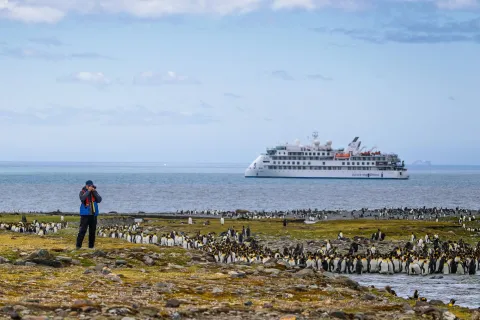
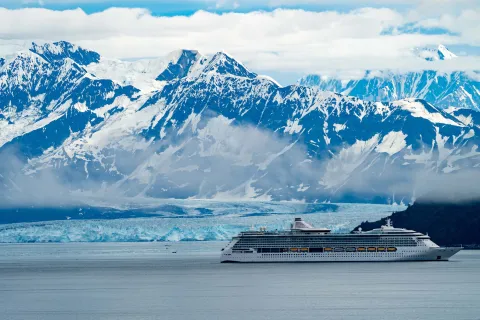
Cruise Ships Might be Banned as Environmental Costs
AUCKLAND, New Zealand - Growing evidence suggests cruise tourism's environmental damage now exceeds economic benefits in fragile destinations worldwide, prompting policy reconsideration across multiple nations.
Three Nations Warn Against South Africa Travel
JOHANNESBURG, South Africa — Three major Commonwealth nations warn citizens about travel risks to South Africa, days after a high-profile American golfer promoted the destination.

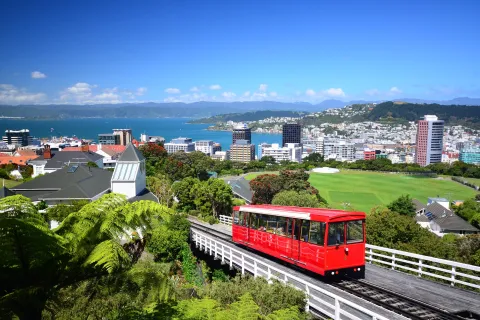
Measles Case Traced to Wellington Tourist Sites
WELLINGTON, New Zealand — A confirmed measles case linked to a tourist prompts health alerts at Te Papa museum, botanical gardens, and transport hubs after the infected visitor left the country.
Fiji Airways overhauls service to join world-class elite
Nadi, Fiji — Fiji Airways revamps onboard dining, service rituals and storytelling to move into the world-class airline tier.

About the Author

Dana Lockwood
Dana Lockwood is a Travel Writer at Jetsetter Guide covering budget solo travel from her base in Denver, Colorado.