Stay current with our hotel news coverage.
Bali halts new tourist builds to curb flooding and overdevelopment
Travelers planning a getaway to the “island of the Gods” will soon notice something missing from the skyline: construction cranes. Governor Wayan Koster has directed all nine regencies and Denpasar City to stop approving permits for hotels, eateries and other visitor facilities on productive farmland. “Starting this year, no more permits will be issued,” Koster said Sept. 14, according to Antara news agency. The order follows a state of emergency declared Sept. 10, when the island endured its worst floods in more than a decade.What the new ruling says
• Immediate freeze on permits for commercial buildings that would convert rice fields or other agricultural land. • The ban forms part of a 100-year spatial plan designed to protect Bali’s cultural landscapes. • Permanent bylaws are slated for enactment by the end of 2025. • Local regents and mayors are responsible for enforcing the moratorium. The governor’s decree effectively revives an unfulfilled national pledge made last year to pause hotel construction amid concerns that Bali’s infrastructure—particularly water and waste systems—cannot keep pace with tourism growth.Why the floods jolted officials into action
Heavy rainstorms between Sept. 8 and 10 turned normally placid rivers into brown rapids, sweeping away bridges, damaging roads and inundating neighborhoods around Denpasar, Badung, Tabanan and Gianyar. Indonesia’s meteorology agency had warned of an “extreme rainy season,” and environmental advocates argue that paved-over rice terraces accelerated runoff. Hanif Faisal Nurofiq, Indonesia’s environment minister, called the new bylaws “an important step,” stressing after the floods that unchecked land conversion has amplified disaster risk. Scientists say climate change is elevating sea-surface temperatures, allowing monsoon clouds to hold more moisture. Across most of Asia, wetter wet seasons are already delivering more frequent flash floods. In Indonesia the wet season typically runs from September through March, making the coming months critical for the newly announced policies.What travelers should expect on the ground
Even with the moratorium, Bali remains one of the world’s most hotel-dense destinations, boasting nearly every brand and price point—from all-inclusive family resorts in Nusa Dua to wellness hideaways in Ubud. The difference is that supply will plateau, not climb, while existing operators refresh their properties. Short-term, visitors may notice: • Fewer construction detours on popular roads linking Canggu, Seminyak and Uluwatu. • Local campaigns urging tourists to book eco-certified accommodations and tours. • Government checks on building compliance, potentially slowing renovations that expand a property’s footprint. Long-term, the freeze could push developers to revitalize aging hotels rather than carve new footprints into terraced fields. That could mean more competitive rates in older stock and higher prices for premium land-conserving resorts.Spotlight on sustainable stays
Many hoteliers see the moratorium as validation of Balinese culture’s traditional “Tri Hita Karana” philosophy, which seeks harmony among people, nature and the spiritual realm. Expect initiatives such as: 1. Grey-water recycling systems and rainwater harvesting to reduce demand on aquifers. 2. On-site composting to counter Bali’s growing waste crisis—plastic-choked rivers played a role in September’s floods. 3. Partnerships with subak (irrigation) cooperatives to fund maintenance of the island’s UNESCO-listed rice terraces.Impact on popular regions
Ubud and Tegalalang: With the “green belt” protected, hillside resorts will have to retrofit rather than sprawl. Travelers can anticipate more boutique properties refreshing interiors without altering paddy views. Canggu: Surf-centric cafés and co-living spaces already press against shrinking fields. The permit freeze could curb the neighborhood’s breakneck growth, preserving some of its last open landscapes—and, hopefully, reducing notorious traffic jams. South Bali: Established resort zones in Nusa Dua and Jimbaran sit on land earmarked for tourism decades ago, so day-to-day operations continue unchanged. However, resorts hoping to extend golf courses or build new villas on adjacent farmland will face stricter scrutiny. East and North Bali: Regions such as Amed, Sidemen and Lovina may benefit as travelers seek less crowded alternatives. With construction caps in place, these quieter corners could attract eco-minded visitors without sacrificing scenery.Tips for travelers
- Book early for peak periods (Christmas-New Year and July-August). With no new rooms entering the market, high-demand dates may sell out faster.
- Choose accommodations that publish sustainability metrics—water use, waste audits, community programs.
- Confirm transfer routes during the wet season; flooded roads can delay airport journeys.
- Pack lightweight rain gear. Even brief downpours can coincide with flash floods in river valleys.
- Consider travel insurance that covers weather-related disruptions.
FAQ
Will existing hotel projects under construction be canceled? Projects that already secured permits before the governor’s September directive can, in theory, proceed. Yet local leaders may impose tighter environmental reviews, potentially delaying openings. Does the ban affect coastal reclamation projects? Yes, if a project requires converting productive land or mangroves. Bali’s new land-use plan prioritizes natural buffers to combat storm surges and flooding. How does the 100-year plan fit in? The blueprint establishes heritage zones and agricultural corridors that cannot be rezoned for commercial use until at least 2124. The upcoming bylaws translate that vision into enforceable local regulations. Is Bali safe to visit now? Tourism infrastructure—including Ngurah Rai International Airport—remains fully operational. Flood-damaged rural roads are under repair, but main tourist arteries are open. Travelers should monitor weather advisories during peak monsoon months.The bottom line
Bali’s decision to halt new tourist builds is both a nod to cultural preservation and a pragmatic response to climate-fueled disasters. For visitors, the immediate impact will be subtle—fewer new hotel openings rather than sweeping closures. Over time, however, the moratorium could reshape where and how travelers experience the island, making sustainability a core part of the Balinese holiday story. — as Koster told Antara news agency.More travel news
Southeast Asia haze disrupts flights at several airports
Affected Firefly passengers may transfer to Malaysia Airlines flights between Changi and KLIA if seats are available, or receive refunds; Lion Air warned of possible disruption in Indonesia.

Malaysia Probes Airport Security After Pilot Arrest
Kuala Lumpur, Malaysia - Civil aviation regulators launch inquiry into screening procedures following pilot's arrest with 70,000 drug capsules at Jakarta airport.

Bali Cracks Down on Digital Nomads and Influencers
DENPASAR, Indonesia – Indonesia targets digital nomads and influencers with stricter Bali visa checks, raising questions for remote workers entering on 30-day tourist permits.

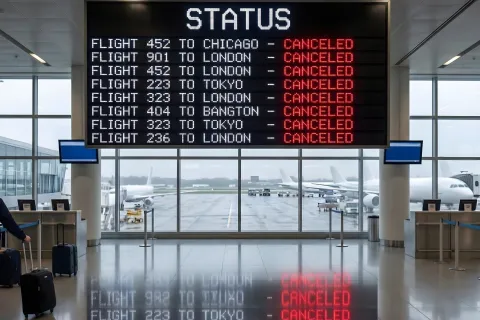
Over 200 Asian Flights Canceled Across 3 Countries
JAKARTA, Indonesia - Garuda, AirAsia, Malaysia Airlines, Lion Air, and Batik Air face over 200 flight cancellations across Indonesia, Malaysia, and Hong Kong, stranding travelers on domestic and international routes.
About the Author

Mariana Torres
Mariana Torres is South America Editor at Jetsetter Guide, covering backpacking and off-the-beaten-path travel in the Andes and the Amazon.