Stay current with our hotel news coverage.
When the Data Contradicts the Narrative
I've spent enough time in Argentine hostels and beach towns to know when something feels off. The vibe this past southern hemisphere summer wasn't the chaotic energy of high season. It was quieter, slower, like everyone had gotten the memo to go somewhere else. The official messaging from Milei's administration painted a rosier picture. Press secretary Javier Lanari posted on X earlier this year that it was "the best summer season in at least 25 years," according to Travel reporting. Bold claim. The kind that makes you squint and wonder what metrics they're using. Tourism workers on the ground weren't buying it. Industry insiders have been vocal about the sector being "on the ropes," a phrase that captures the frustration of watching your livelihood evaporate while government officials celebrate imaginary victories. When your beachside hostel is half empty and someone in Buenos Aires is tweeting about record-breaking tourism, the cognitive dissonance stings.The Brazil Effect
So where did everyone go? Brazil, obviously. And not just in modest numbers. The 3.4 million figure represents a seismic shift in regional travel patterns. For context, that's nearly the population of Uruguay deciding collectively to spend their vacation days across the border. Brazilian beaches have always been on the Argentine radar, sure. But a 72% year-over-year increase suggests something deeper at play. Economics, mostly. When your domestic currency is doing backflips and your neighbor's beaches suddenly look affordable in comparison, you make choices. You swap Mar del Plata for Florianópolis. You trade the familiarity of home for the appeal of getting more bang for your devalued peso. I've watched this pattern repeat itself across South America for years. Currency fluctuations reshape travel flows faster than any marketing campaign ever could. Argentines didn't suddenly fall out of love with their own coastline; they just couldn't justify the cost when Brazil became the budget-friendly option.Methodology Matters
Here's where it gets interesting. Milei's government didn't just spin the numbers; they changed how visitor levels are measured entirely. It's a move that raises eyebrows among anyone who's ever questioned official statistics. When the data doesn't match your narrative, adjust the methodology until it does. The reported hotel occupancy rates tell a more sobering story. During what should have been peak season, the second weekend of January saw occupancy rates between 60 and 65%, according to Travel. Not terrible, but a far cry from the 100% occupancy figures that earlier government celebrations suggested. Sixty-five percent occupancy is what you get on a decent weekend, not during the tourism boom of a quarter-century.What This Means for Travelers
If you're planning a South American swing and debating between Argentina and Brazil right now, the crowd has spoken. Brazil is having a moment. That means busier hostels, fuller beaches, and the kind of energy that comes when 3.4 million extra visitors flood your coastal towns. It also means you'll be surrounded by Argentines, which honestly makes for great hostel common room conversations about economic policy and beach town rivalries. For Argentina, the quieter beaches might actually be a draw if you're the type who prefers space over scenes. There's something to be said for visiting a destination when it's not at capacity. You get better deals, more attentive service, and the breathing room to actually enjoy the coastline without fighting for a spot on the sand.The Bigger Picture
This isn't just about beach preferences or vacation math. It's about what happens when economic policy collides with human behavior in ways politicians don't anticipate. You can claim a booming tourism sector all you want, but if millions of your citizens are voting with their feet and their pesos by leaving, the story writes itself. The Argentine tourism industry isn't collapsing, but it's clearly struggling in ways the official narrative refuses to acknowledge. Workers in the sector see it. Hostel owners feel it. Anyone paying attention to actual occupancy rates versus government press releases knows the gap between rhetoric and reality. For those of us who live and breathe backpacker culture across South America, these shifts matter. They change where hostels open, which routes buses prioritize, and how entire communities plan for their economic futures. When 3.4 million people redirect their travel spending, the ripple effects touch everything from beachside empanada vendors to long-distance bus companies. The data doesn't lie, even when the spin tries to. Argentina's travelers went to Brazil in record numbers, and that tells you everything you need to know about the real state of domestic tourism, government claims be damned.More travel news
Boeing MAX 8s Scrapped After Just Six Months of Flight
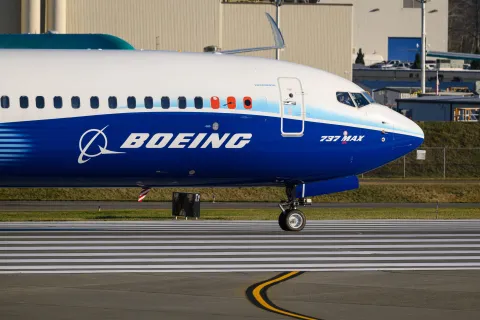
São Paulo, Brazil - Two Boeing 737 MAX 8 aircraft retired after just six months in service with GOL Linhas Aéreas are now being dismantled, highlighting ongoing quality control concerns.
Brazil Flight Chaos Strands Hundreds in Six Cities
São Paulo, Brazil – Hundreds of travelers stranded as 166 delays and 18 cancellations cripple GOL, Azul Brazilian Airlines and Azul Conecta operations across six major Brazilian cities.

Sapphire Princess Sails from Buenos Aires to Barcelona
Buenos Aires, Argentina — The Sapphire Princess kicked off an 18-day trans-Atlantic repositioning voyage on Feb. 11, marking Princess Cruises' first European arrival of 2026.

Argentina Flights Halted Feb 19 as Workers Strike
BUENOS AIRES, Argentina — A nationwide strike will halt all air traffic at Argentina's busiest airports for at least 24 hours, stranding travelers across South America.
About the Author

Mariana Torres
Mariana is a 33-year-old travel writer and backpacker who specializes in finding the pulse of a place far beyond the tourist maps.