Stay current with our hotel news coverage.
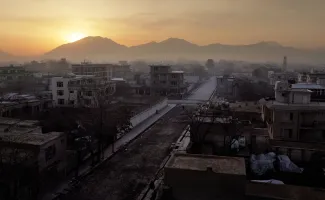
KABUL, Afghanistan — The land-locked country long synonymous with conflict is quietly sliding onto bucket lists for the most daring globetrotters. And the numbers back it up: Afghanistan’s Ministry of Information and Culture reports almost 9,000 foreign arrivals in 2023, a dramatic leap from only a few hundred when the Taliban reclaimed power in 2021.
Afghanistan adventure tourism spikes after the 2021 takeover
While many governments still warn citizens against all travel to Afghanistan, adventure tour operators and intrepid influencers are charting new itineraries that span Kabul’s centuries-old bazaars, the cobalt-blue lakes of Band-e Amir National Park, and the snow-dusted passes of the Central Route. The $85 visa—issued on arrival in some cases or in neighboring embassies—remains the main fee channeling directly into government coffers; most other expenditure filters to local hotels, drivers and restaurants hungry for income.
Influencers, “Talibros” and online controversy
Social media has amplified the country’s pull. A handful of conservative male influencers post footage of Taliban fighters giving fist bumps, dubbing them “Talibros” in a bid to humanize their guardians. Critics argue that such content glosses over human-rights abuses, while supporters say it simply showcases a misunderstood destination. Julie Bold, a 29-year-old traveler from Wales, spent 11 days criss-crossing the nation last autumn. “I was acutely aware of the privilege I carried,” Bold said in a phone interview, noting that Afghan women do not enjoy the same freedom to move about unaccompanied.
What it’s like for female travelers on the ground
Afghanistan is governed by a strict interpretation of sharia that heavily restricts local women’s education, employment and presence in public parks. Yet foreign women often find themselves receiving a warmer welcome than expected. Bold described being ushered behind a curtained family section of a Kunduz restaurant where local women removed their hijabs, shared dinner and compared life before and after Taliban rule via Google Translate. That access swings both ways. Female visitors are barred from mosques and certain parks—restrictions that male travelers might not face—but they can also enter domestic spaces closed to men, offering rare glimpses into Afghan daily life.
Voices from inside and outside the country
Fatima Haidari, widely reported as Afghanistan’s first female tour guide when she earned the title at age 21 in 2019, now leads virtual walks of her homeland from exile in Milan. “Tourism is necessary for every country,” Haidari said during an online session, adding that isolation only hardens the Taliban’s control. Still, she criticizes creators who “normalize” the regime without acknowledging the hardships Afghan women face.
Ethical questions hovering over every booking
The debate centers on whether visitor dollars indirectly legitimize the Taliban. Travelers point out that lodging and transport money flows to ordinary families desperate for an economic lifeline. Human-rights activists counter that visas and checkpoint fees strengthen a government that suppresses half its population. Both claims can be true at once, placing tourists in an unavoidable moral gray zone.
Security remains unpredictable
No commercial insurance policy currently covers independent trips to Afghanistan, and most foreign offices maintain “do not travel” advisories. The Taliban government says it provides armed escorts on request, but rapid political shifts or regional attacks could leave outsiders stranded. Travelers are urged to register with their embassies—though some Western missions have relocated to Doha or Islamabad—and carry both paper and digital copies of identity documents.
Tips for Travelers
- Visas: Single-entry tourist visas cost $85; processing times range from same-day at Kabul airport to several days at consulates in Islamabad or Dubai.
- Dress code: Men should wear long trousers and sleeves. Women must cover hair and choose loose, ankle-length clothing; a black abaya is ideal in rural areas.
- Cash only: Sanctions isolate Afghan banks from the international SWIFT network. Bring enough crisp U.S. dollars to cover your stay; ATMs rarely work for foreign cards.
- Local SIM cards: Roshan and MTN sell visitor packages, but coverage drops outside major cities.
- Transport: Domestic flights link Kabul to Herat, Mazar-e-Sharif and Kandahar. Overland travel requires Taliban checkpoints; keep your passport easily accessible.
- Photography: Always ask before shooting military personnel or women. Some checkpoints confiscate cameras if permits are not shown.
- Insurance and evacuation: Specialized providers such as Global Rescue may cover medical extraction but not security evacuation. Verify terms carefully.
FAQ: Taliban-era Afghanistan for foreign visitors
Is it legal to travel there?
Yes, Afghanistan issues tourist visas, but many home countries advise against travel and may limit consular assistance.
Can women travel solo?
Officially, yes, yet practical challenges include hotel refusals and restricted public areas. Consider hiring a local female guide where possible.
What about alcohol?
Alcohol is banned nationwide. Possession can lead to detention.
How are foreigners generally received?
Outside political events, Afghans often express curiosity or relief at seeing travelers who are not soldiers or aid workers. Hospitality—tea offers, guided walks, home invitations—remains a cultural pillar.
Will my visit help or harm locals?
Spending on guesthouses, drivers, handicrafts and eateries fuels grassroots income. Conversely, visa fees and potential permit payments do support the ruling authorities. Assess your comfort level with that balance.
The road ahead for Afghanistan tourism
Infrastructure is skeletal, flight schedules fluctuate and women’s rights are under suffocating pressure. Yet the magnetism of the Hindu Kush peaks, the Buddhas’ empty niches in Bamiyan and the blue-domed Shrine of Ali in Mazar-e-Sharif continues to pull thrill-seekers. Whether you view a visit as solidarity with ordinary Afghans or a venture that inadvertently props up an oppressive regime, Afghanistan forces a reckoning with the ethics of travel itself. That alone may be the most compelling—and complicated—souvenir you bring home. — as Haidari said during a virtual tour from Milan.
More travel news
CDC Warns Travelers About Dengue Risk in 16 Nations
ATLANTA, United States — CDC alerts travelers to heightened dengue fever risk across 16 countries following global surge in mosquito-borne infections.
CDC Warns Travelers of Dengue Surge in 11 Nations
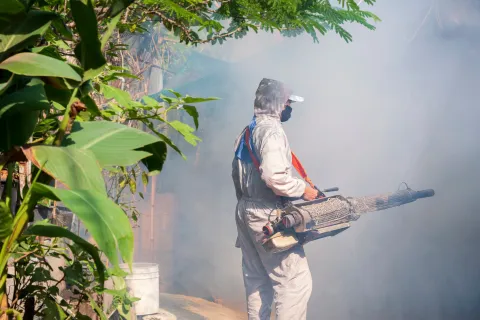
ATLANTA, United States — The CDC's updated Global Dengue Travel Health Notice flags Afghanistan, Bangladesh, Colombia, and eight other nations with rising dengue activity as U.S. travelers face renewed risk in tropical corridors.

Trump widens travel ban to 30 nations after DC guard attack
Washington D.C. — The Biden-era traveler must now weigh a potential U.S. travel ban covering up to 32 countries after a National Guard attack in the capital.
Trump orders lasting migration freeze on 19 nations
Washington, D.C. travelers face new uncertainty after U.S. move to permanently bar migration and most visas from 19 nations.

About the Author

Wilson Montgomery
Wilson Montgomery is a Travel Writer at Jetsetter Guide covering Africa and safari travel.